
June 22, 2026
Styles With Staying Power (and styles that never landed)
When it comes to residential design, certain exterior styles have staying power. Others come and grow and quickly become dated. But the desire for fresh and new is often at odds with traditional and timeless.
Craftsman Style
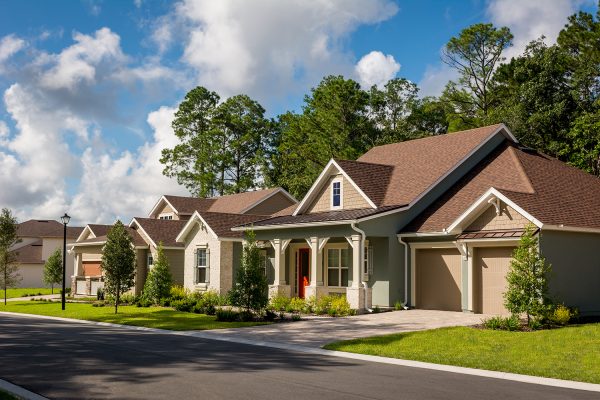
For years, Craftsman was a favored style. Born out the Arts and Crafts movement, it began in the late 19th century and became popular between 1900 and 1930. The style grew nationwide through pattern books and mail-order house plans offered by Sears, Robuck & Co. It remains popular today with buyers, builders and developers. It is considered a timeless style but not as formal as other traditional styles. Broad front porches and banks of multiple windows make the style friendly and approachable.
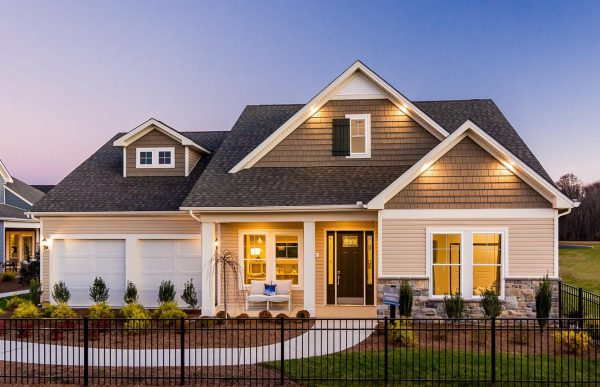
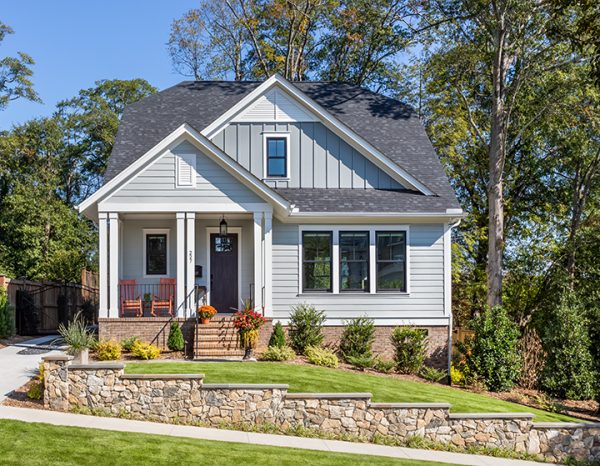
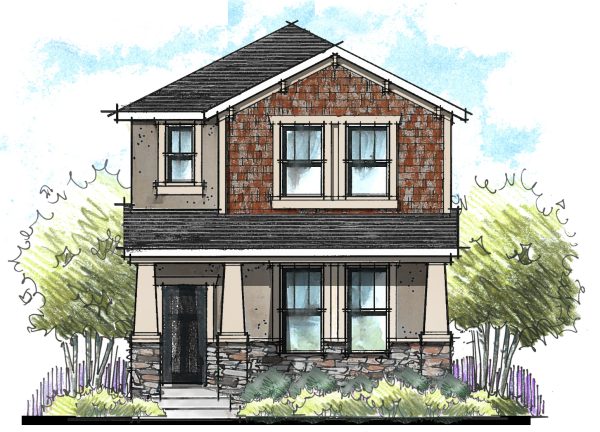
The style is wonderfully adaptive to many exterior materials and roof pitches. It is typically a composition of wood or shake siding with accents of masonry. In Florida, we’ve designed stucco houses with low pitched gable roofs filled with shakes and large porch columns with stone or brick piers. The same style can be seen in Texas, but instead of stucco as the main body material, you may find brick. In the Carolinas, the style would have siding as its base material with shake filled gables and masonry accents.
Farmhouse style
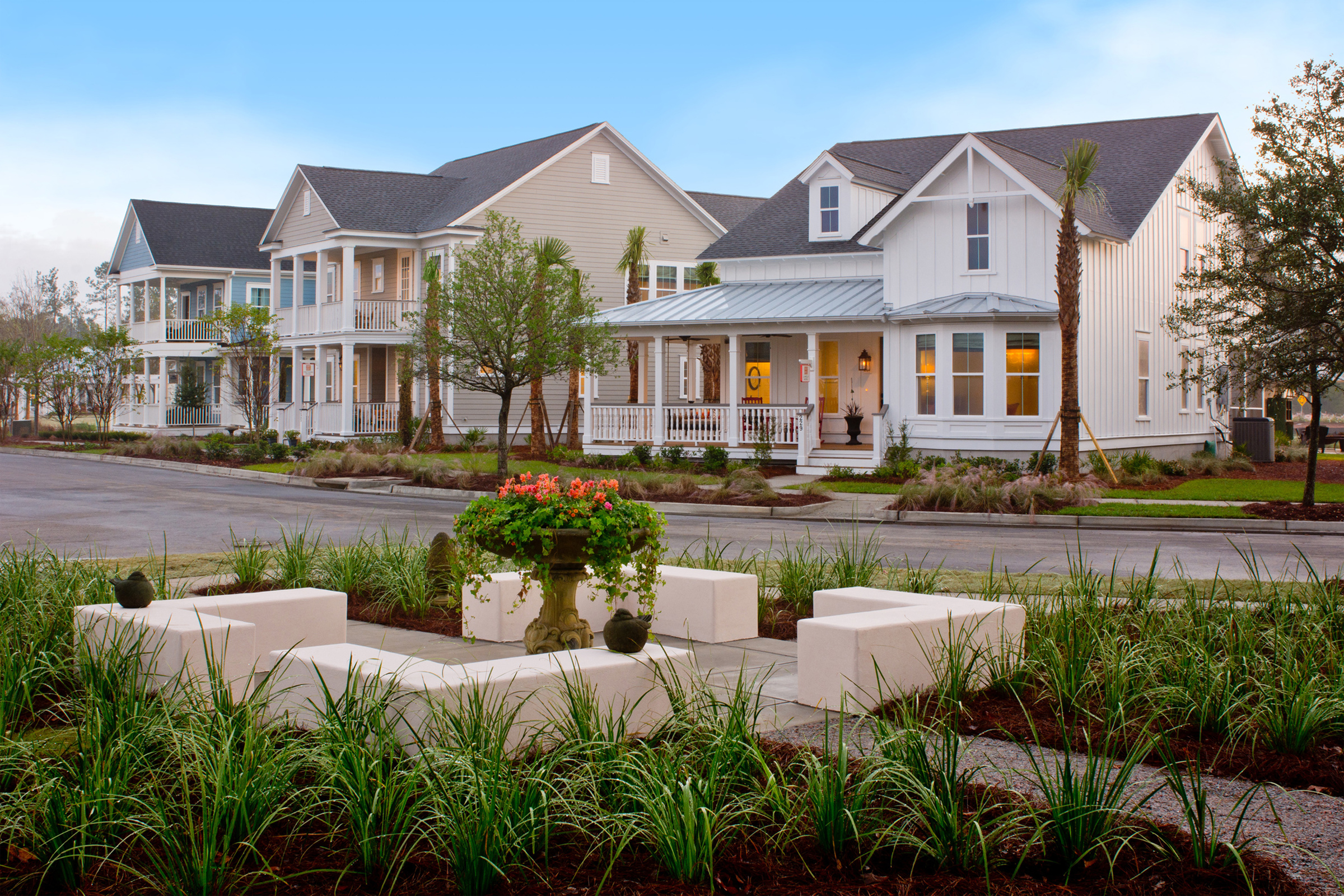
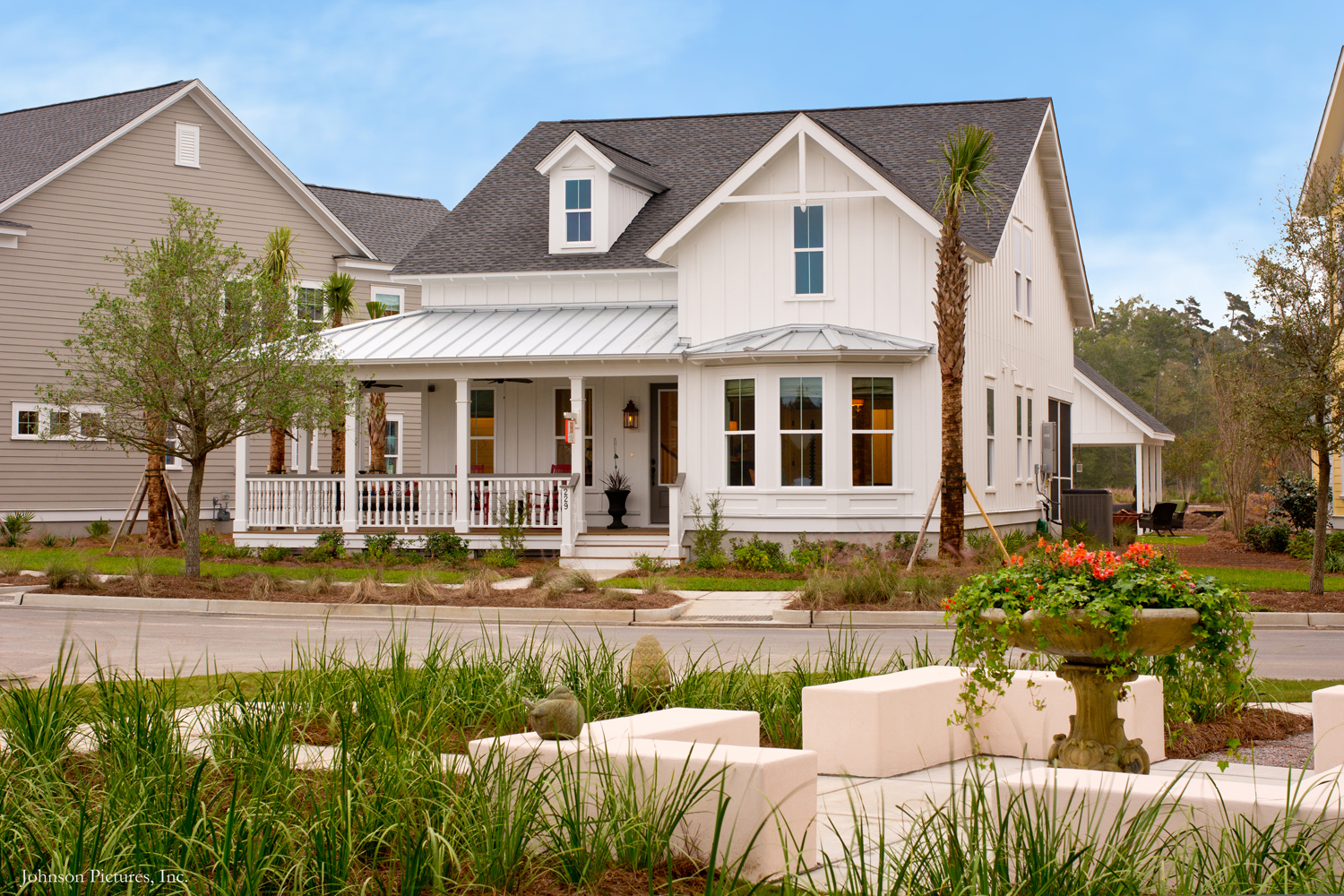
Another style popular with buyers, builders, and developers is the farmhouse style. Like the Craftsman style, it has a timeless quality without the formality. The original farmhouses that inspired the Farmhouse style movement were built between 1850 and 1920. They were essentially a folk Victorian style with their high roof pitches but without the ornamentation of other Victorian styles.
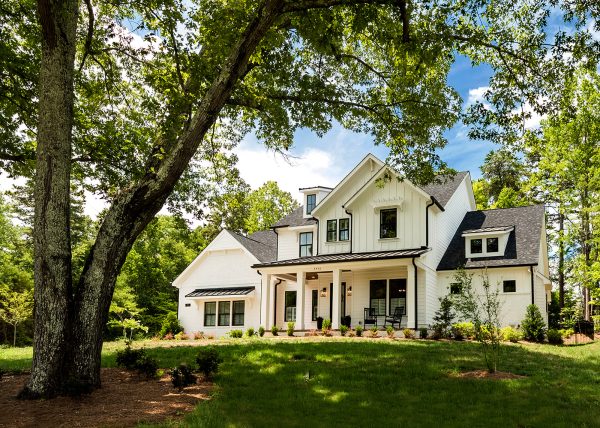
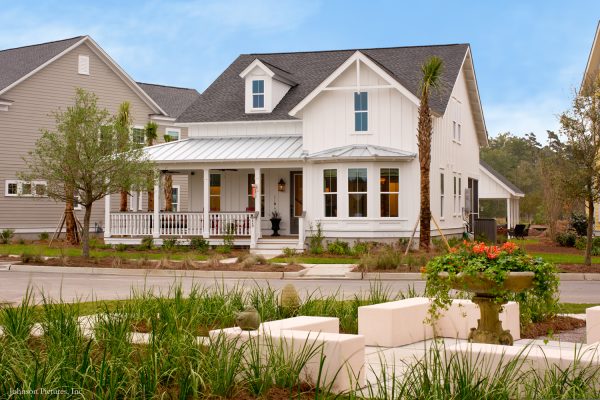
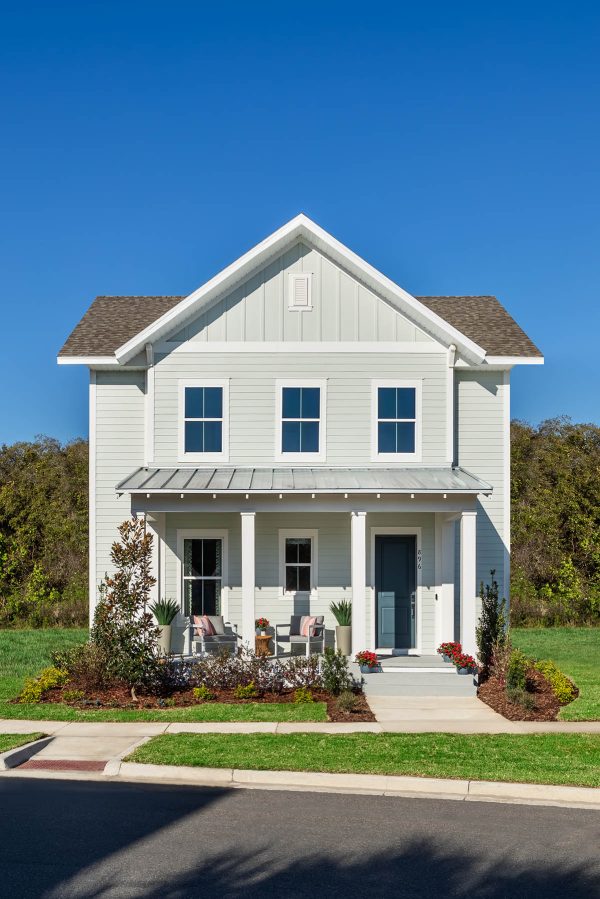
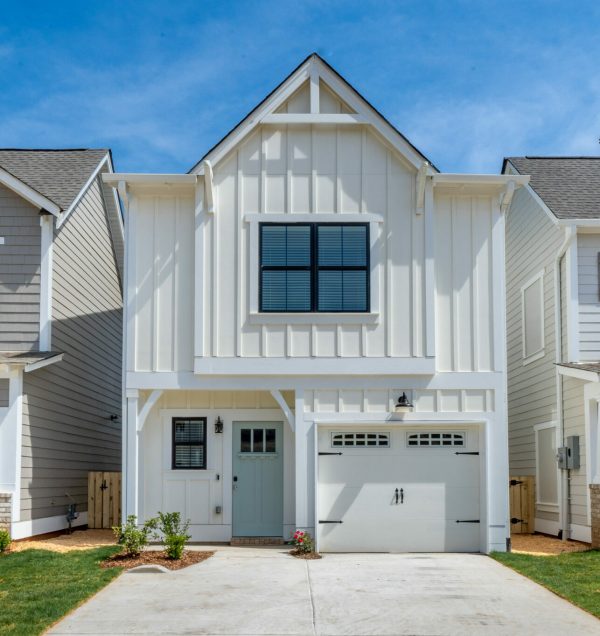
The farmhouse style as a movement is a desire for more simplicity in design with simple forms and clean lines. The predominantly white exterior was a fresh look after years in the 90’s of “builder beige”. It also grew in popularity because of home improvement and renovation shows. However, the refreshing white in a sea of beige became its downfall as an entire street of white houses grew tiresome.
The Modern Farmhouse
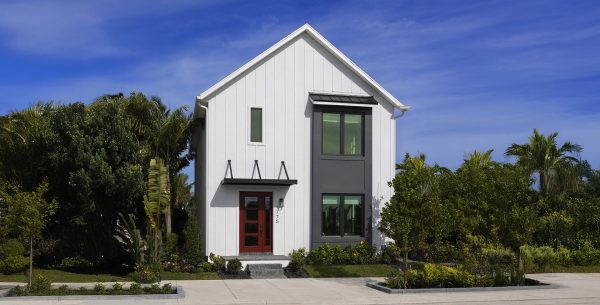
This is a modern interpretation of timeless with modern materials and finishes. While still with steeply pitched roofs, the white vertical siding may be punctuated with black or bronze windows and metal accent canopies. Front doors are often in a bold color. The modern version of the style can now be seen with dark gray siding as accents or the main body. The exposed wood elements like columns or porch posts are seen in some regions.
Mid Century Modern
This is a post war style from 1945 to 1970 that features a horizontal profile with clean, geometry lines and low-pitched roofs. Recently, it has re-emerged as a popular style because of its timeless and modern characteristics. The single shed roof element became a defining element in the current version of the style – the “shark fin” as we nick named it.
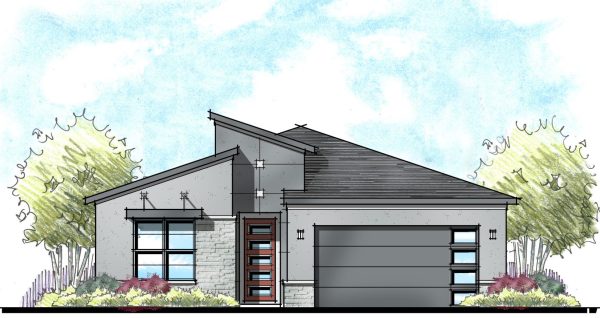
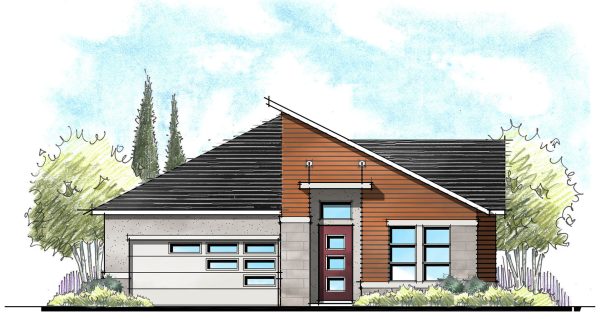
This element sparked intrigue but now seems to be fading as it has become too polarizing.
Modern Styles
There is a desire for a modern aesthetic, but many super modern styles are waning in popularity. Many designs struggle as there is no pattern book or widely-accepted design components. The flat roof is especially polarizing and often not allowed in many communities. The flat roof is also more expensive to build than a low-pitched roof and is prone to leaks if built incorrectly.
We recently explored a variety of contemporary or modern styles – trying to blend clean lines with timeless elements. We would love a fresh new look that is both popular and affordable. One new style, we combined low pitched roofs with tone or tile accents and deliberately asymmetrical. Its roots are closer to the mid-century modern but without the shark fin.
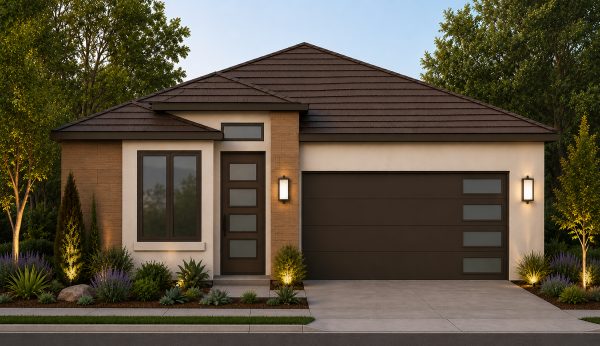
In another project, we experimented with clean lines and steep pitched roofs reminiscent of the modern farmhouse style, but in all stucco and devoid of expensive accent elements.
Born on Date
Remember when a brewery started putting the “born on date” on their beer cans so you wouldn’t accidentally buy stale beer? Our streetscapes often seem to all have a “born on dated” look. The desire for fresh and new seems to discover a new aesthetic that last for about 10 to 20 years. Then suddenly our streetscape become stale. A street lined with all white farmhouses, painted white brick, builder beige, or shark fins can often be tied to the decade they were built in.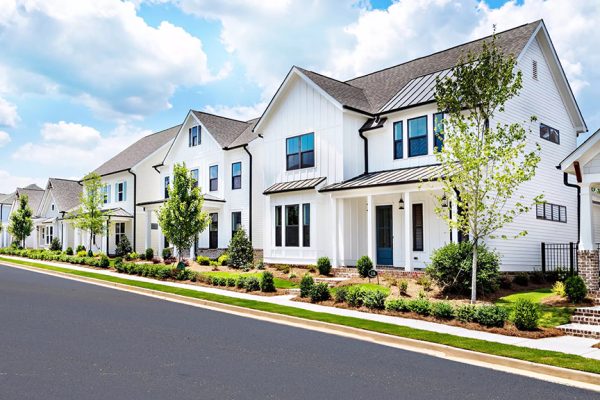
Driving through a neighborhood shouldn’t immediately scream “2015 Farmhouse”, “2005 Mediterranean”, or “1990 McMansion”. Perhaps sticking with a mixture of timeless styles isn’t a bad idea.
Categorized in: Uncategorized
This post was written by Housing Design Matters
 Privacy Policy