

October 02, 2026
Shutter Foul (and how to avoid it)
We’ve all seen it. You might even be guilty of it: adding shutters to windows that are too small to ever cover the window – if indeed the shutters were operable.
Shutters were originally intended to offer protection to a window from storms or the sun. It’s not rocket science. A properly proportioned pair of shutters should be one half the width of the window and the same length. If a single shutter is used, it should be the same width and height as the window.
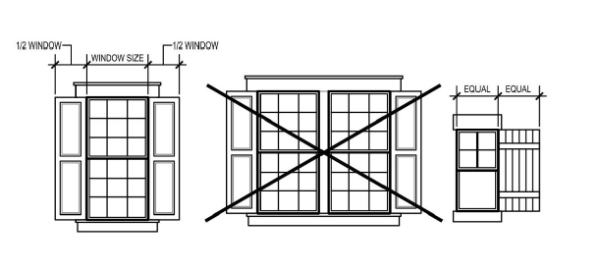
Too often in new construction, we see shutters that do not fit the window. Here’s the catch: A 3’ by 5’ window is the most common window size in residential construction, yet an 18” wide shutter (the proper size for that window) isn’t a standard size. Sadly, the largest standard size shutter on one popular manufacturer’s website is 14 ¾”. Even worse, the most frequently bought shutter is only 12” wide. My dear readers, we have a math problem!
Desperate Cry for Color
Even more egregious is using a pair of shutters on a double or triple window. This is what we call Shutter Foul, a phenomena that is far too common in new construction but even more prevalent in remolding. I have even seen 12 inch shutters flanking a 16 foot wide garage door. But what is the core issue here? I believe Shutter Foul is a desperate and ill-fated attempt to add color to the exterior of a home.
Adding color to the exterior of home is a worthy endeavor, but slapping on poorly-sized shutters is not the right approach. During a recent walk in an older neighborhood, I documented several feeble attempts to add color with shutters.
Cranky Craftsman
The first example is a Craftsman bungalow. It featured the classic 3 over 1 window grids in double and triple windows – so they got that part right. Sadly, someone added pairs of 12” red shutters to these lovely windows.
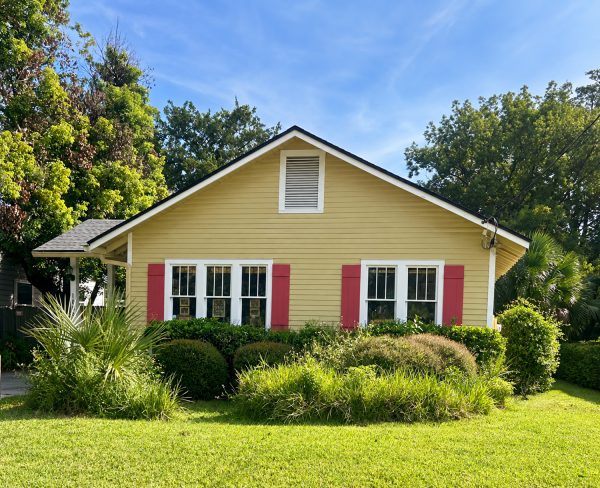
At least they were plank style shutters. Also, the owners recognized that the house needed color.
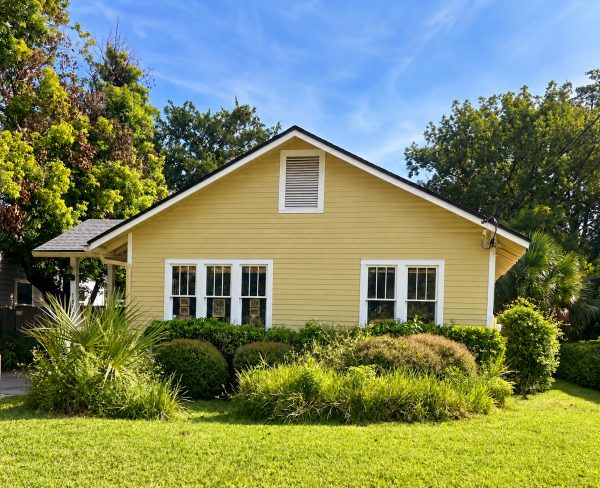
There were other “fouls” committed on the home including the oversized rectangular vent that fought against the asymmetry of the windows. Using AI, could we turn this cranky craftsman into a charming bungalow? Instead of resorting to improper shutters, we can commit to color in the form of a second siding profile (shakes) painted rusty red.
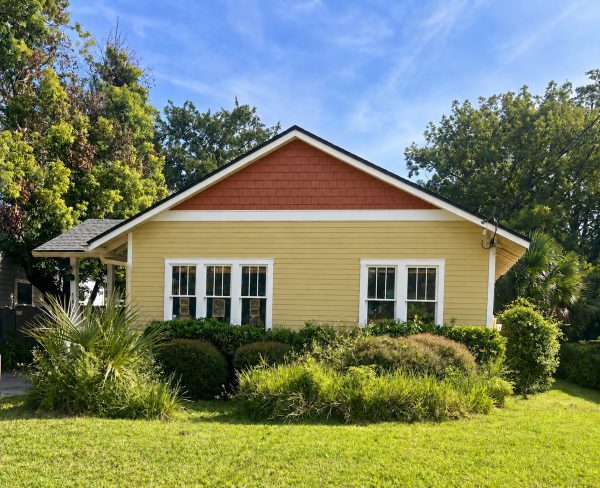
You be the judge – did I make it better?
Crazy Shutters
The next house had custom built shutters flanking its triple windows.
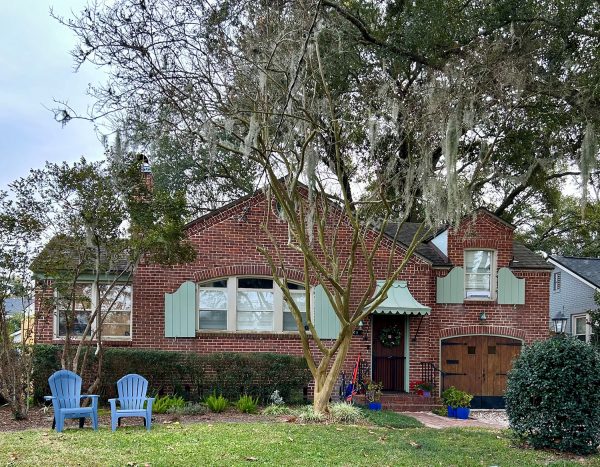
This house stopped me in my tracks and while I was taking the picture, the homeowner came rushing out to ask why I was taking a picture of her house. I lied and said, “I like your shutters.” She must have been proud of their after-market alteration and smiled and went back inside. But this house is a classic example of house’s desperate cry for color. I’m sure it started with needing cover for their front door. The patina-colored awning was a nice addition. But what were they thinking with the shape and size of those “shutters”? Using AI, I removed the shutters and painted the wood windows the same color as the awning. And while we were at it, I changed the color of the Adirondack chairs as well.
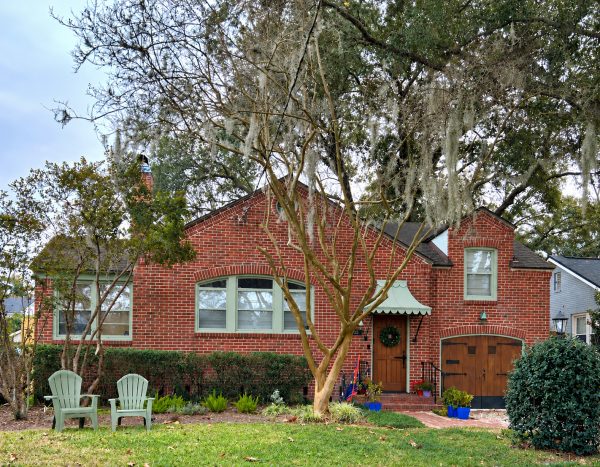
Would the homeowner find it rude if I sent her the improved rendering? We won’t find out.
Painted Brick Problem
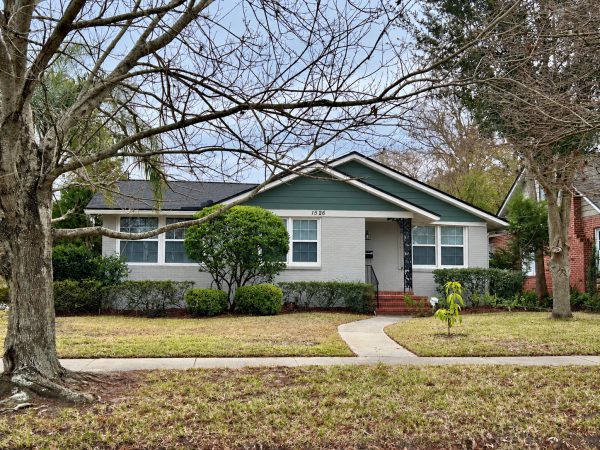
The next house I encountered had painted their brick and added shutters to some of their windows.
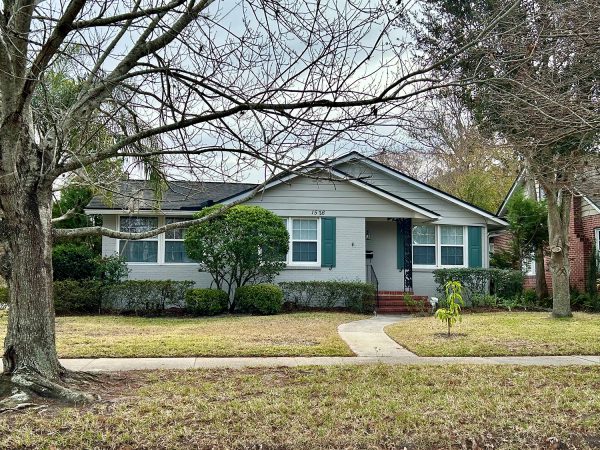
Once everything was painted, it looked too monochromatic.
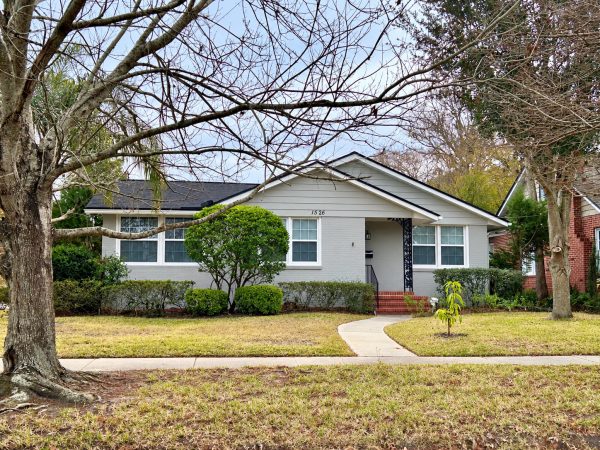
The irony here is that they actually had two different exterior building materials, brick on the main body and siding in the gables. An easy way to add color was to use a different color on the siding. While maybe not my choice of color, I added the shutter color to the siding and removed the shutters.
Red Brick that Screams Addition
My next example was a charming little brick house that had obviously enclosed their side porch with white siding.
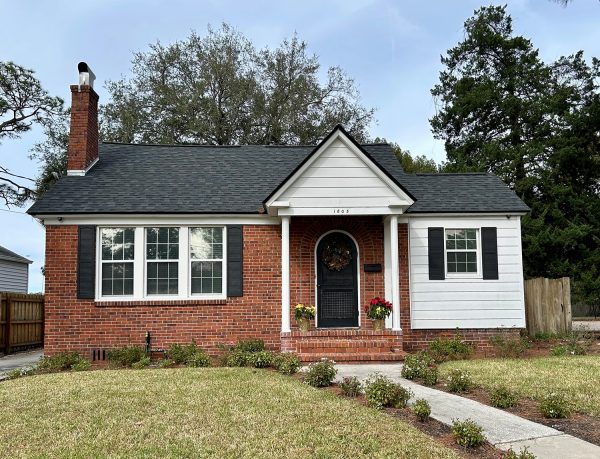
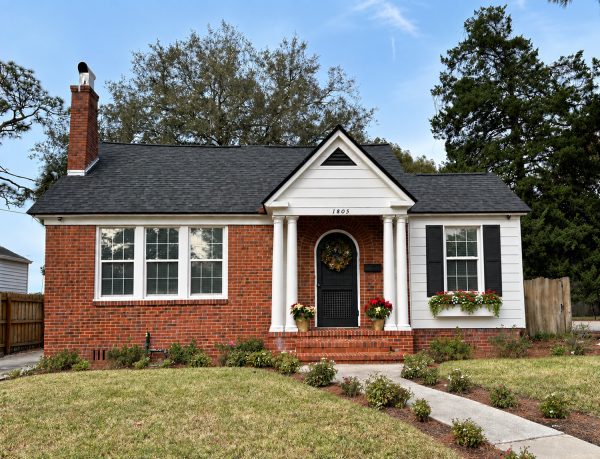
Perhaps they also added the front entry stoop. Then to tie the new and original construction together, they added black shutters to both the new window and the triple window in the brick side of the building. Admittedly, the shutter foul is not the worse offense on this house. And since I was having so much fun with AI, I decided to show how to remove the shutter and other violations. As you can see, I doubled up the too skinny columns, added a triangular vent to the entry gable, and stretched the window in the addition to be the same height as the triple windows on the left. And just for fun, I added a flower box.
Takeaways
I realize my alterations aren’t as easy as picking up 12” vinyl shutters from the big box home improvement store. But since our homes are our biggest asset, don’t they deserve more attention to detail? Perhaps the bigger lesson is the power of AI to help homeowners visualize what is possible before they commit Shutter Foul. We might finally eradicate a problem that has been plaguing homes for decades!
And since many of my readers are geeks like me and take pictures of crazy house, send me your craziest example of shutter foul – or any other visual violation and let’s see if we can make it better.
Categorized in: Uncategorized
This post was written by Housing Design Matters
 Privacy Policy