July 20, 2026
Does Your Community Need a Monotony Code?
If you’re a builder, designer, land planner, or home buyer, you’ve likely run into a community with a monotony code. To be more specific, it’s an anti-monotony code. The code specifies the minimum separation between identical elevations. The exact number varies per community guidelines, but the same front elevation cannot appear within 3–5 homes on either side or directly across the street.
Minimum required to be considered “different”:
- Different exteriors color palette.
- Roof variations including roof lines, pitches, color and/or materials
- Exterior style diversity: Some codes don’t allow the same architectural style side by side.
A more elegant way to put it would be to call it an Architectural Diversity Standard. The goal is to prevent an entire community of identical houses in shape, style, and color. One white farmhouse perched on top of a hill on a large lot is awesome.
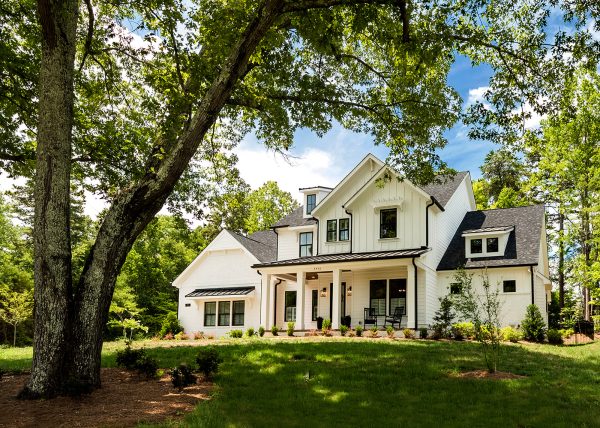
An entire streetscape of all white farmhouses is tiresome.
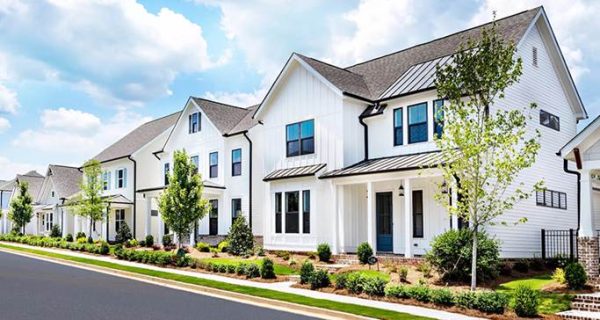
You may think this is a code that buyers love and builders hate. I think both groups have a love hate of the code for a variety of reasons. Let’s look into the pros and cons of the code.
Pros of a Community Anti-Monotony Code
Creates Visual Interest
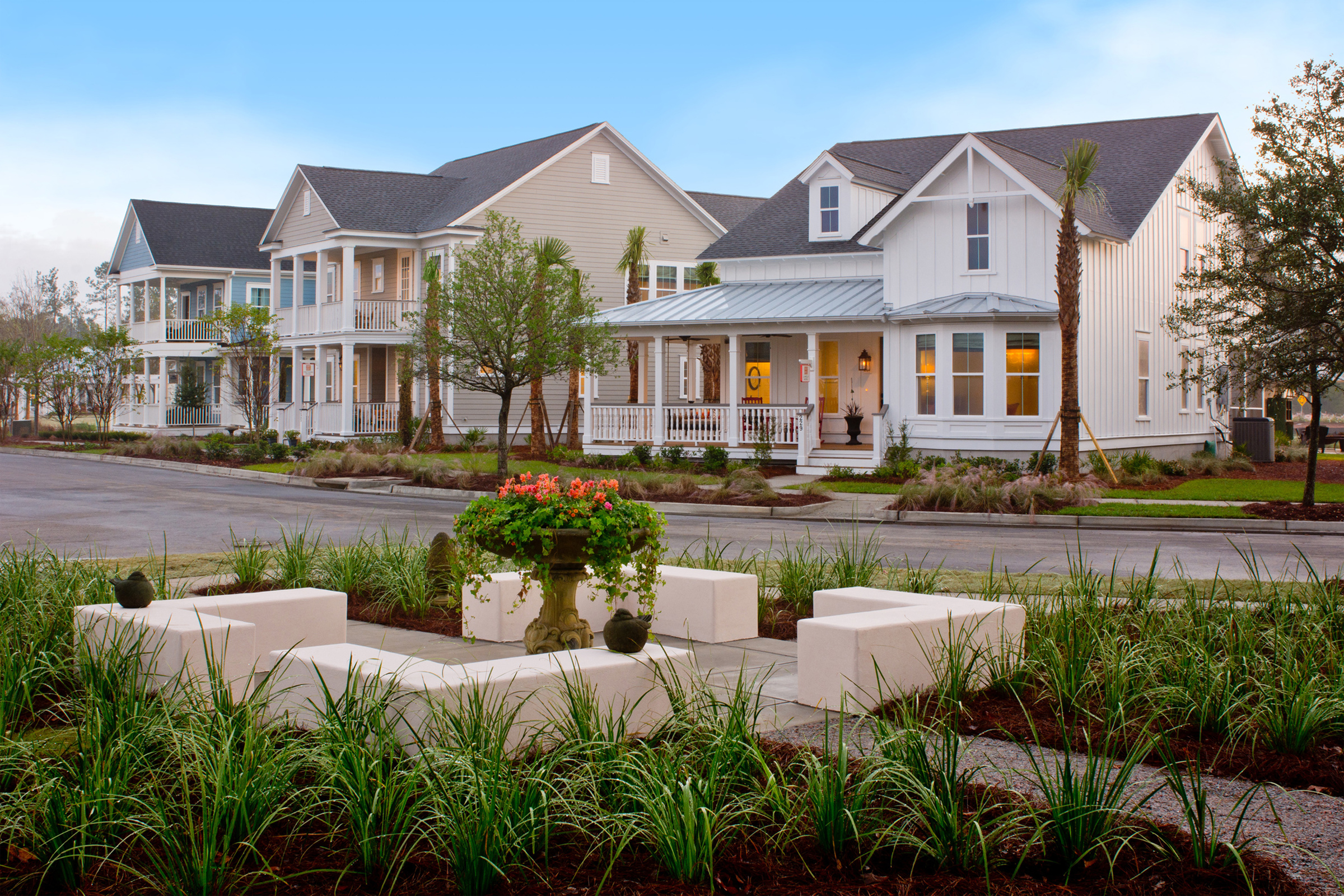
Imagine a streetscape with a variety of architectural styles, colors, materials, and roof forms. Doesn’t this sound more appealing than a street scene where every house looks alike?
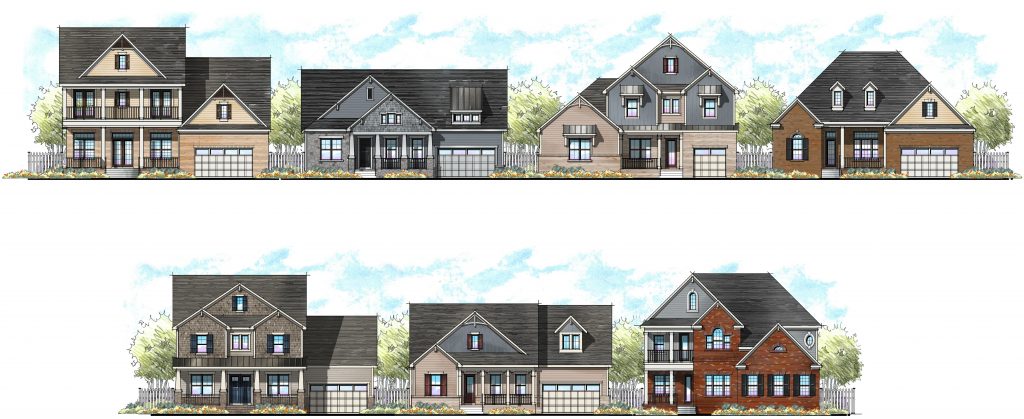
Protects Property Values
Many buyers believe that a community with diverse architectural styles will hold its value longer than a cookie cutter neighborhood. Indeed, it could suggest a well-planned community with higher standards which will be highly desirable into the future. You may think this benefits only the buyer, but a builder can (and should) charge more for homes in an architecturally rich community – especially as they sell the last of their inventory.
Establishes Community Identity
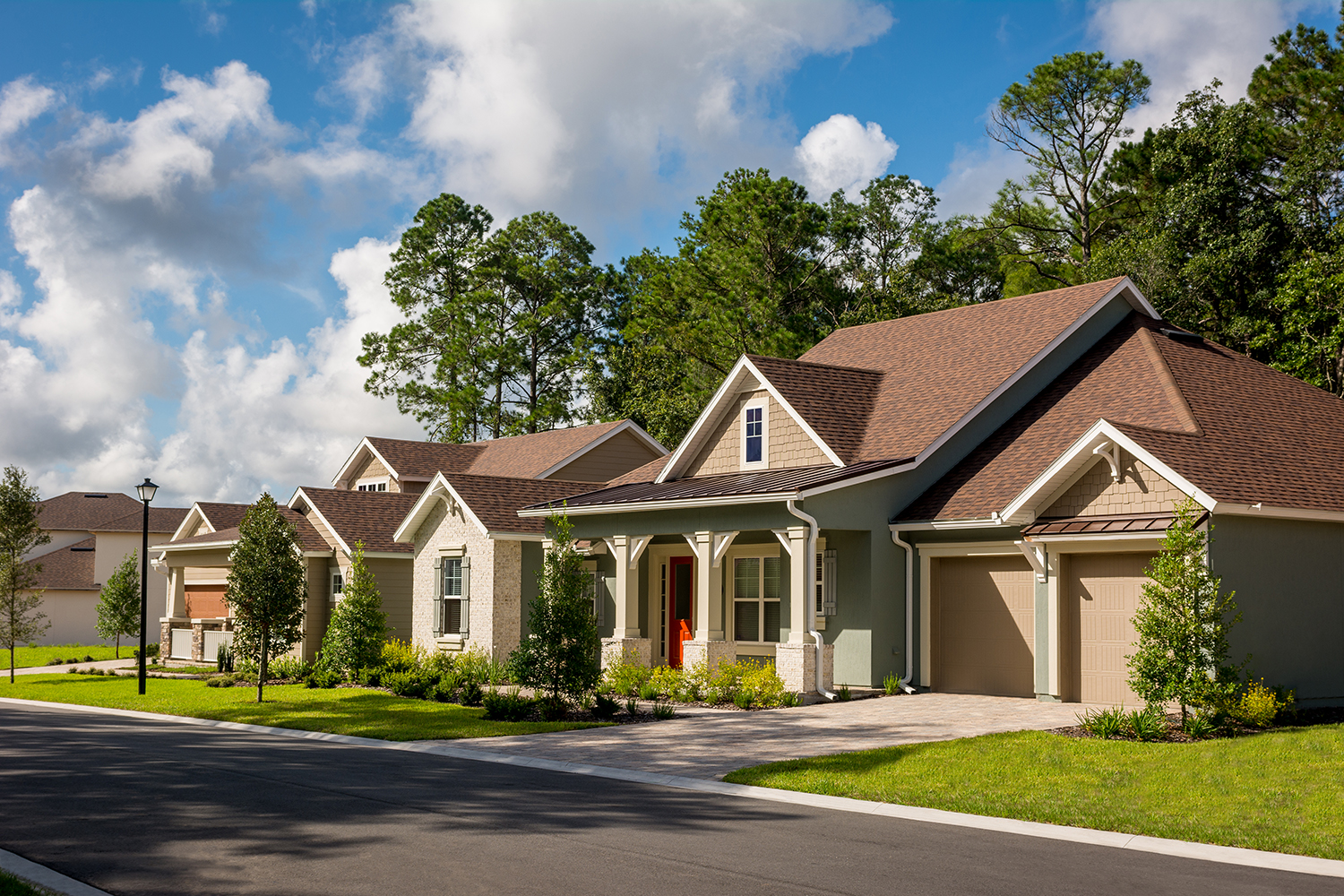
Instead of a cookie cutter streetscape, a community with a variety of architectural styles has its own unique character – especially if the styles chosen work well together.
Pedestrian Friendly
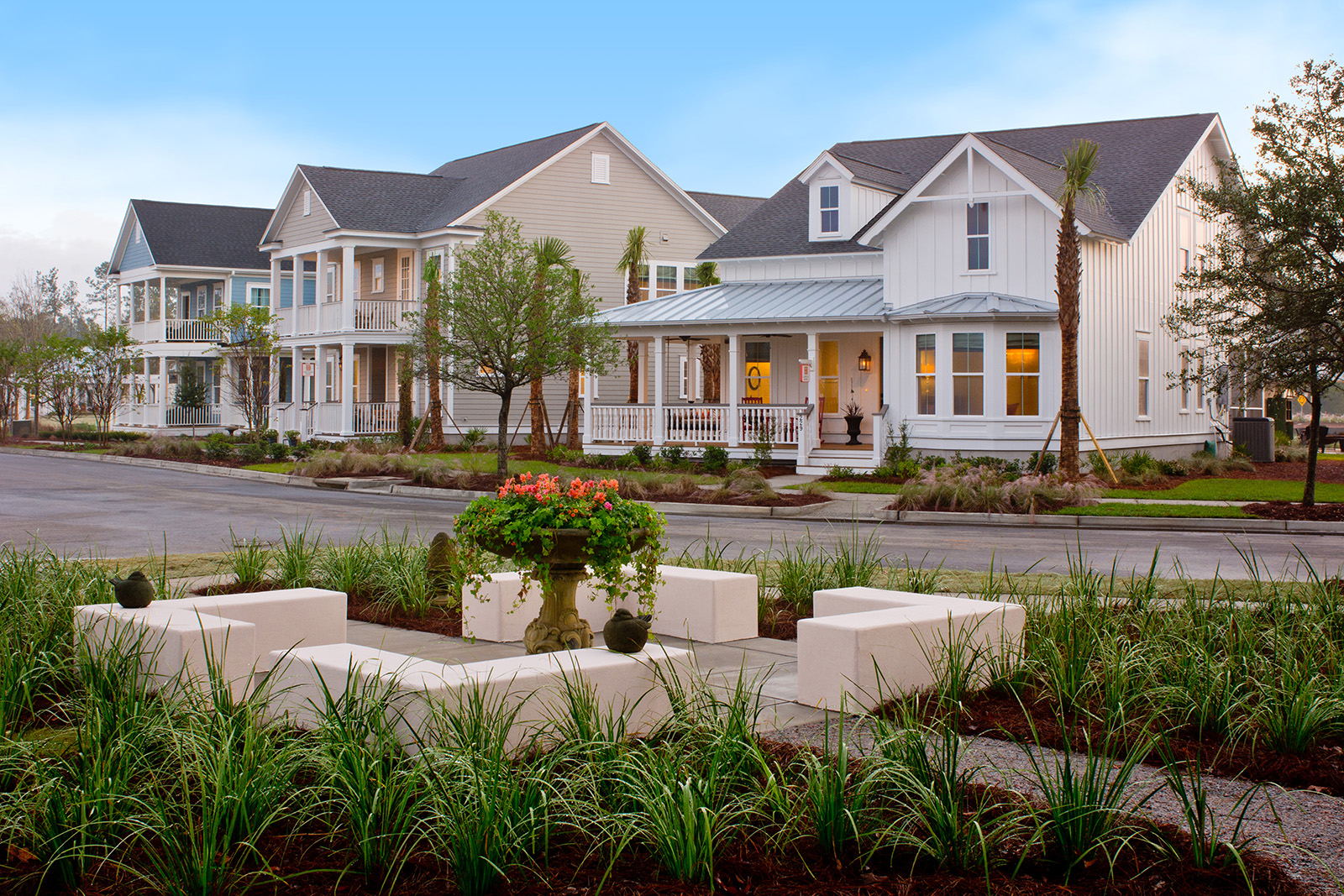
Imagine strolling down the sidewalk where each house is unique, and you can experience a variety of architectural styles, details, colors, and finishes. An even better pedestrian experience would be if some of the houses included front porches and they are not dodging parked cars blocking the sidewalk– but I digress.
Prevents Style Dominance
By requiring a variety of styles, an anti-monotony code prevents an entire community of one style. I’ve already picked on the farmhouse style – but the same could be said of an entire streetscape of Mediterranean houses or beige Craftsman styled homes.
Placemaking
The variety of styles creates memorable streetscapes and give residents architectural landmarks. “Turn left at the pink Folk Victorian house on the corner.” (Okay, more likely they’ll just say “the pink house”)
Cons of a Community Monotony Code.
Higher Design Costs
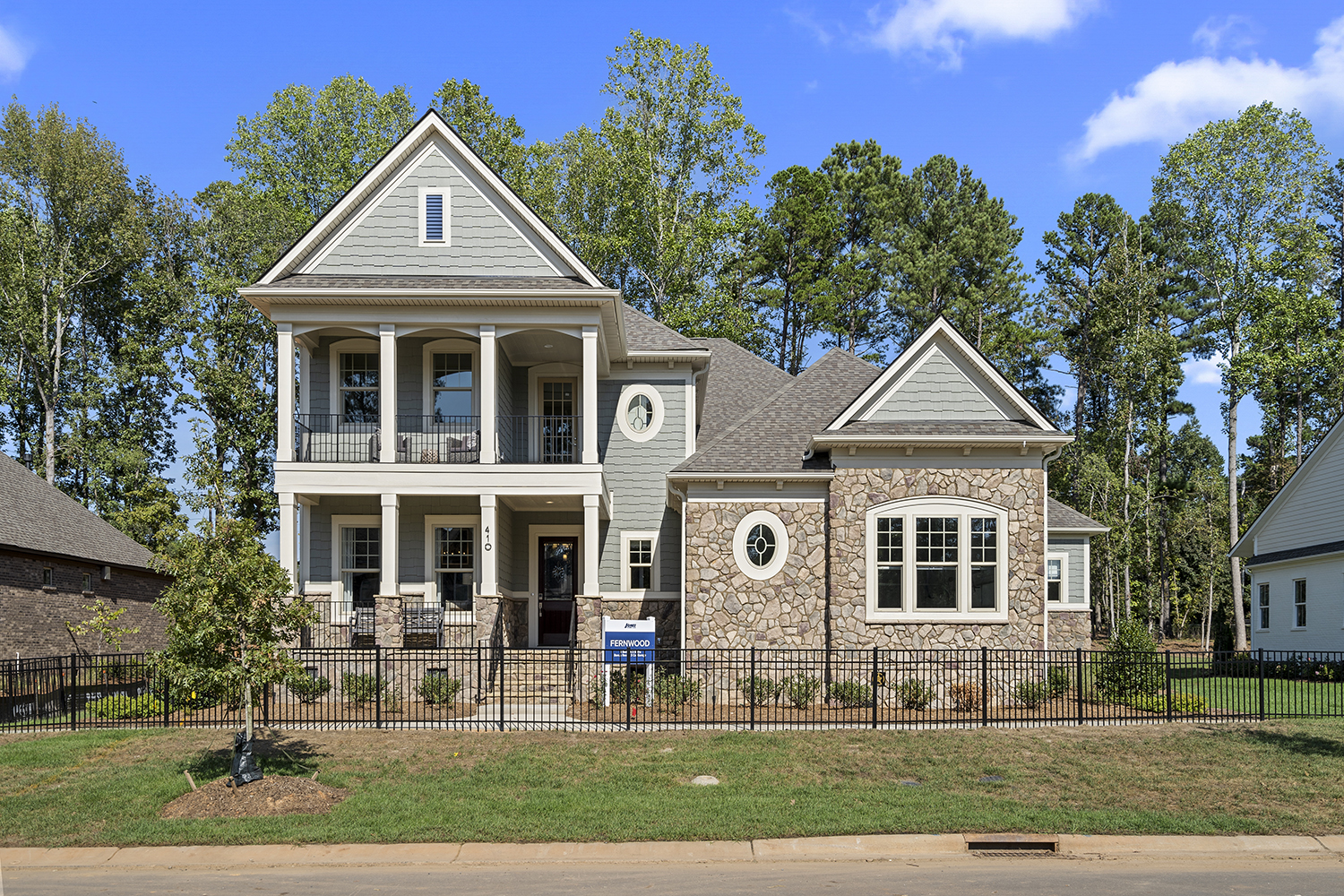
Creating a set of construction documents for a house with three architectural styles is indeed more expense than just one. Being strategic about the number of styles based upon the number of houses in the community and plans being developed can help keep the costs down. Maybe the “loss leader” gets only two different architectural styles while the model that everyone wants to buy gets four styles to choose from.
Increased Construction Costs
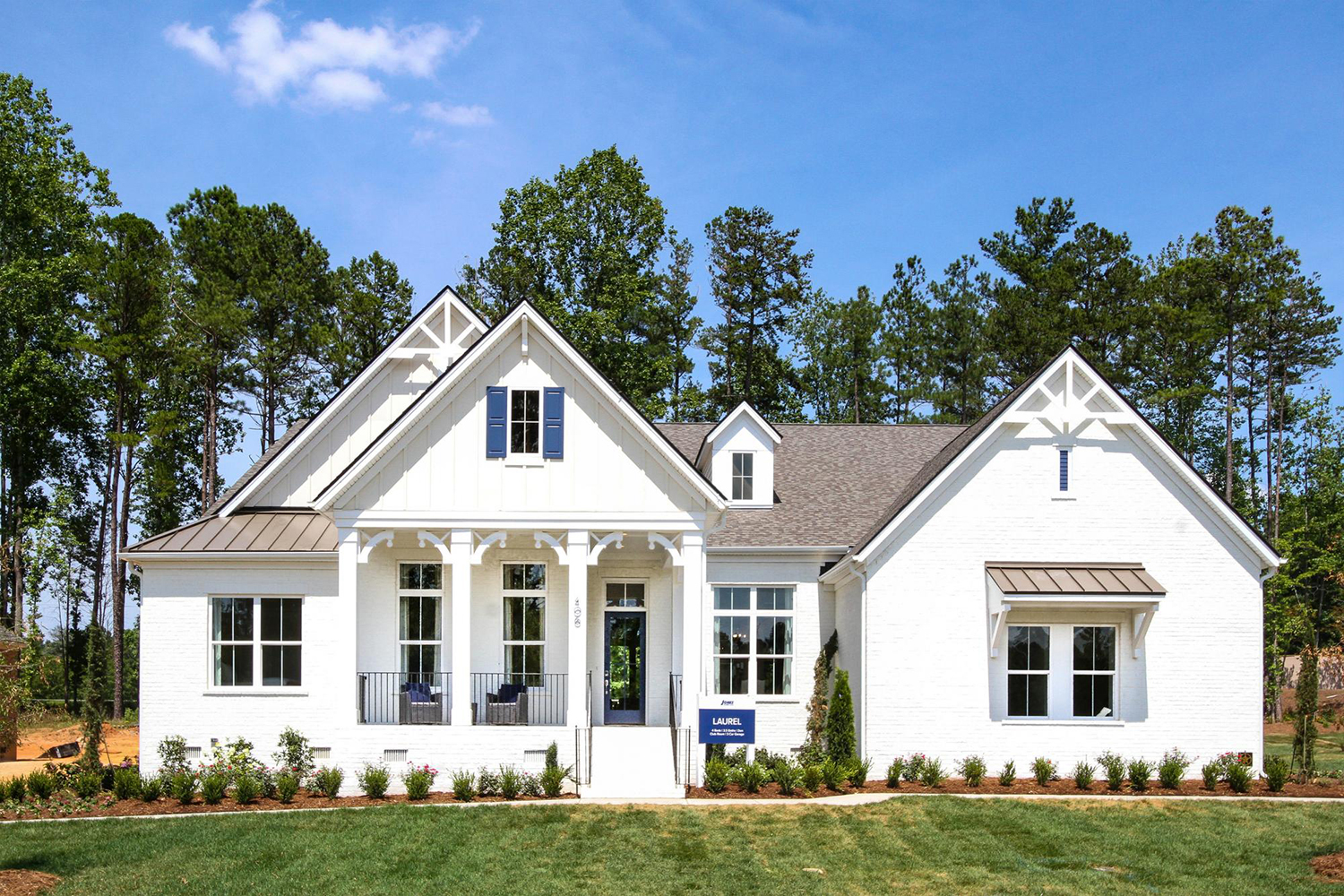
Since there are cost savings in limited SKUs based upon the economy of scale and buying in large quantities; multiple architectures styles for doors, windows, and exterior finishes does indeed add to the bottom line. Be careful when leaning too much into value engineering your elevations. Super low-cost elevations are like rice cakes – lower in calories – but who cares if they are tasteless? Instead, consider standardized diversity where there is buying power in keys components of each style – like the doors and windows.
Reduced Buyer Choice
While buyers love a diverse streetscape, they still have their personal favorite styles and colors. They are sometime disappointed when they can’t get their favorite on their specific home site (“Sorry, we already have three white farmhouses on that street”). The on-site sales team needs to learn how to manage expectations in a community with diverse architectural styles.
Slower Production
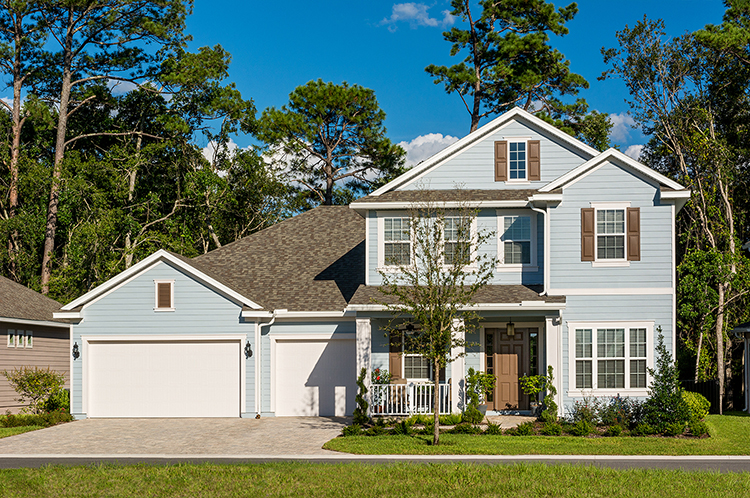
Having a diverse collection of home plans takes longer to build than simply stamping out the same house over and over again. With careful planning and processes, the increased build time can be mitigated.
Increased Home Prices
Having to initially pay for multiple styles on one house adds cost. But so does maintaining those all those homes plans through code and material changes. Periodically eliminating under-performing or higher costs homes can reduce the impact.
Are you creating Diversity or Chaos?
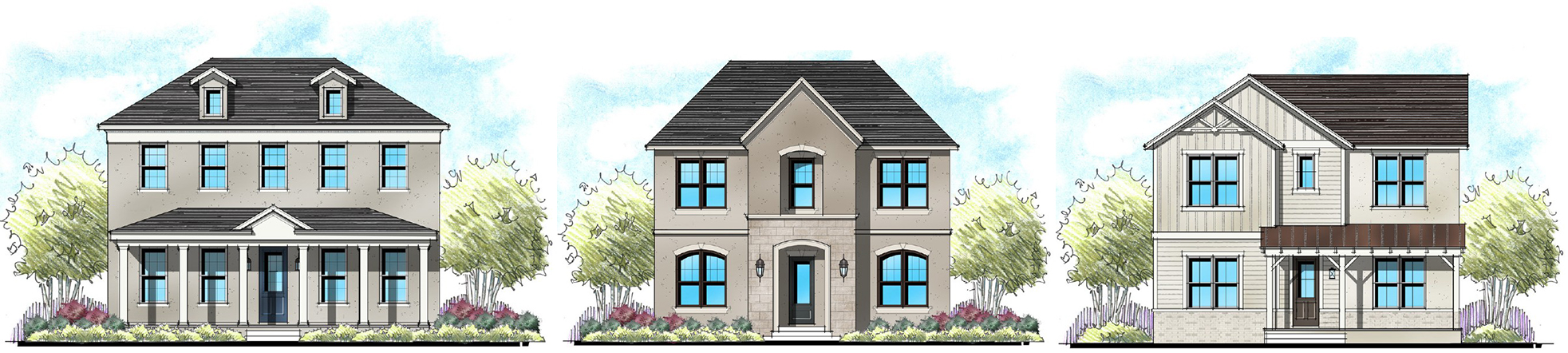
Sometimes you can get too much of a good thing. Too many incongruent styles may actually clutter the streetscape instead of enhancing it.
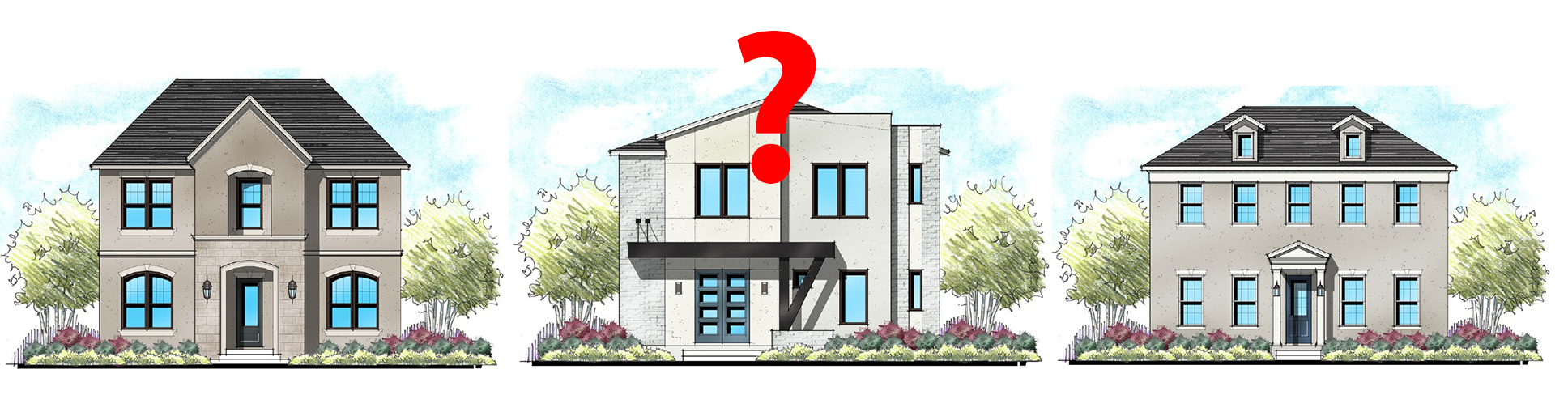
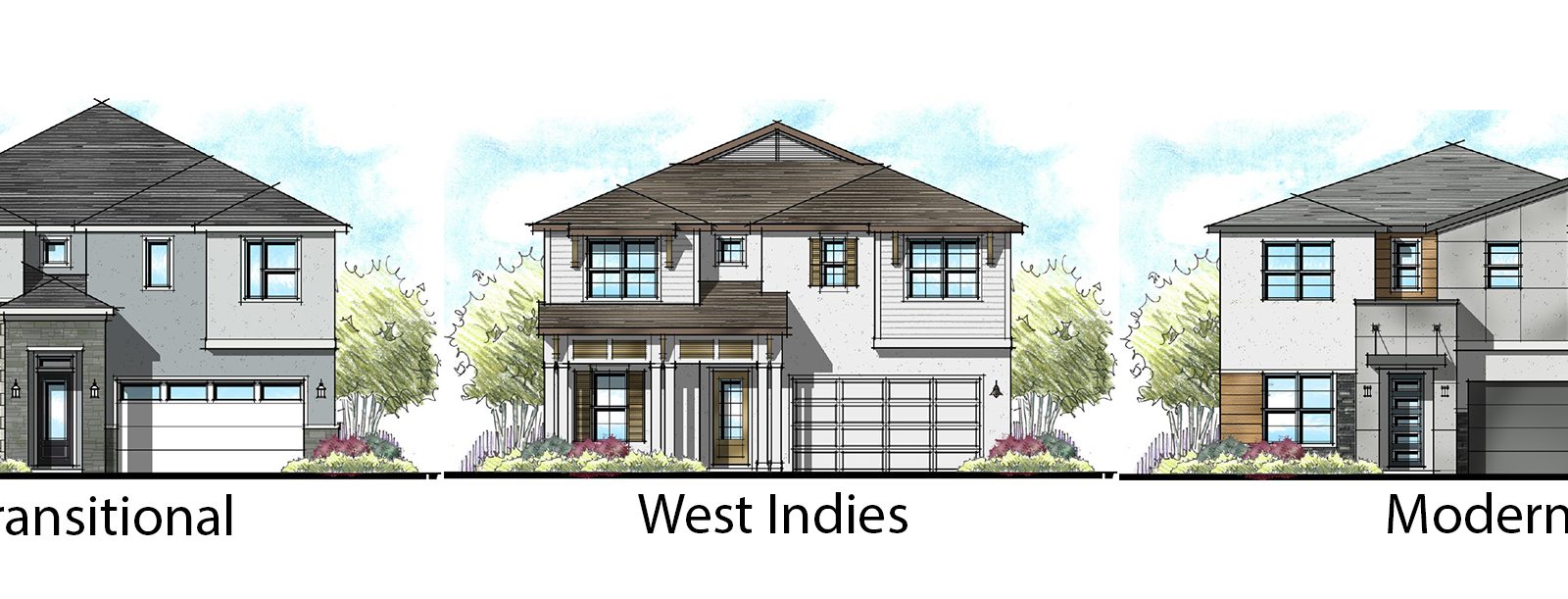
Mixing timeless styles with modern styles can be tricky. Consider styles that work together.
Modern streetscape

Traditional streetscape
Develop a Strategy
Both buyers and builders can benefit from a well thought out strategy. Keeping the values of the community high favors both. The ability to build the same house side by side but with completely different looks makes both buyer and builder happy.
The magic number for builders seems to be three styles per plan. But they don’t have to be the same three styles.
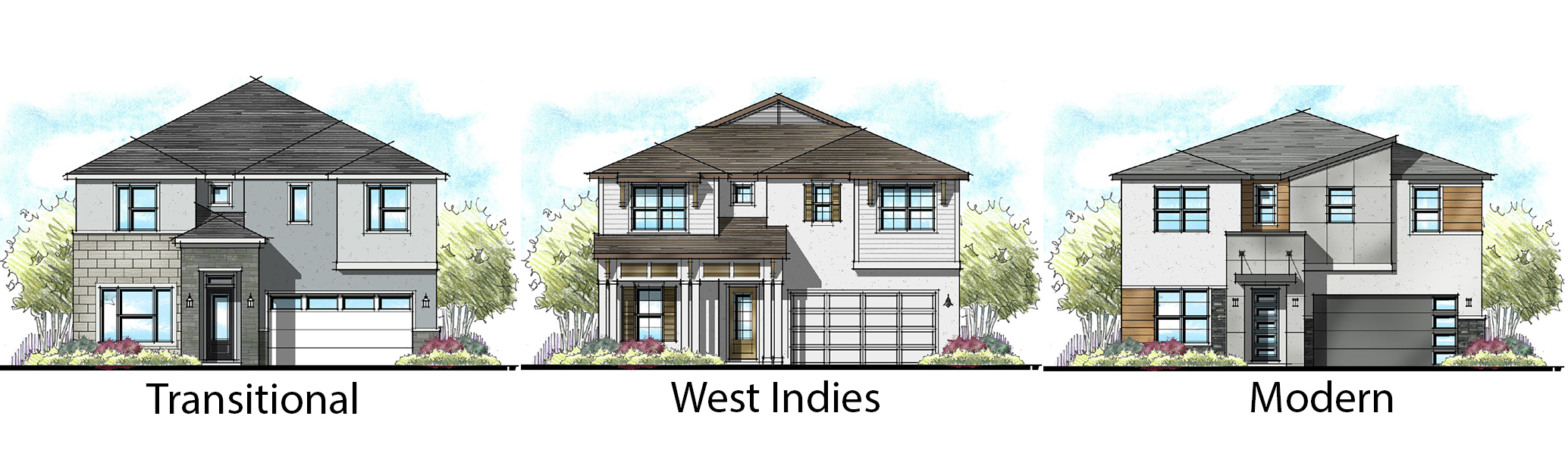
Having five styles in the community will ultimately yield greater flexibility and diversity. Then select styles that are both similar yet different. As a designer, I often find some styles just work better with different plan forms. Having a variety of styles, finishes, and colors at our disposal will make for a better community and a happy builder.
Categorized in: Uncategorized
This post was written by Housing Design Matters
 Privacy Policy