
June 01, 2026
How do You Prioritize Space?
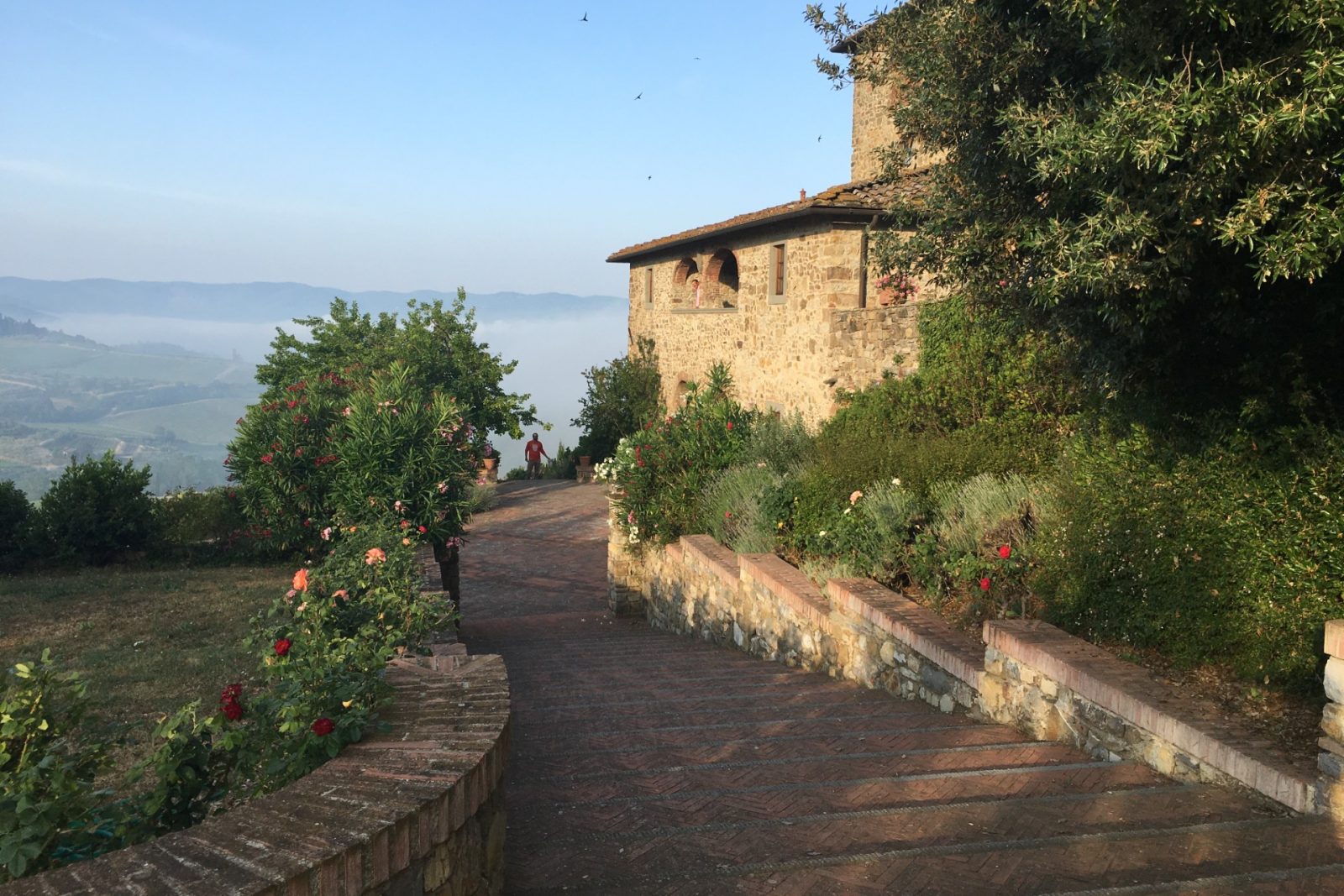
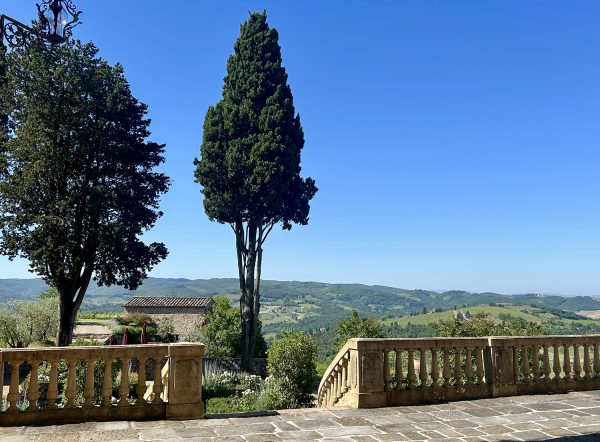
Back from an amazing trip to Italy. The weather was spectacular as was the food. We stayed in Panzano in Greive, which is in the heart of the Chianti Classico region. Did I mention the local wine was amazing? The region is picturesque with rolling light green vineyards punctuated by dark olive-green Italian Cypress and the silvery green olive trees.
Driving in this region was slightly terrifying. This area of Italy goes back to as early as 12th century.
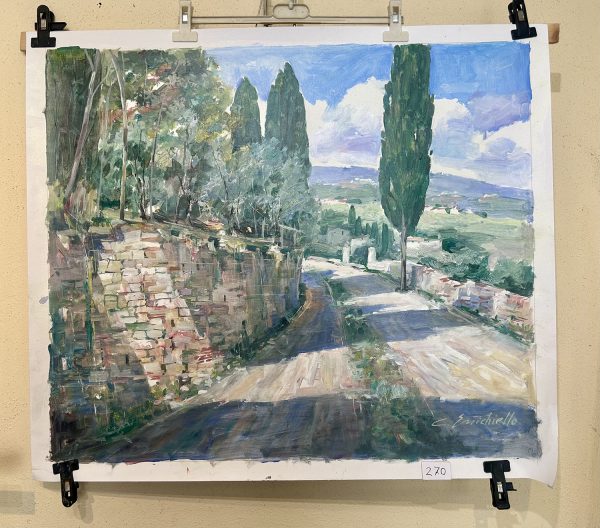
Of course, there were no cars then, so roads are narrow. Travel those days wasn’t 60 miles an hour and probably by mules and donkeys. Picture narrow winding roads often lined with stone walls obscuring oncoming traffic. The locals drive these twisting roads fast and most often not on their side of the road. Yikes! Suddenly, the tiny size of a Fiat makes perfect sense.
Roads and Right of Ways
But stepping away from the terror aspect, the Italians just have a different priority of space. Preserving the architecture is more important than “department of transportation” standards we observe in this country. We enjoyed dining al fresco at our favorite restaurant Enoteca Baldi that sits directly across from the town center, Palazzo on Piazza Bucciarelli. Between the restaurant and the plaza is a narrow, one-way street separated only by a narrow sidewalk.
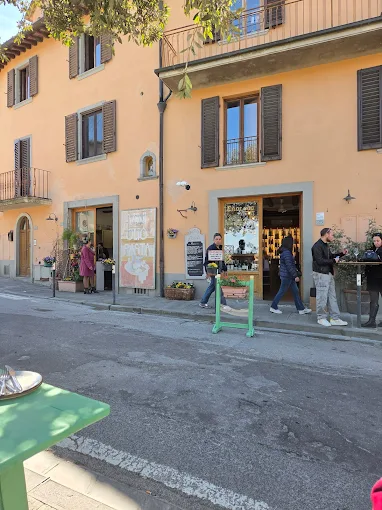
We dined frequently across the street while the server bring us food and wine and having to dodge cars. Both charming and crazy.
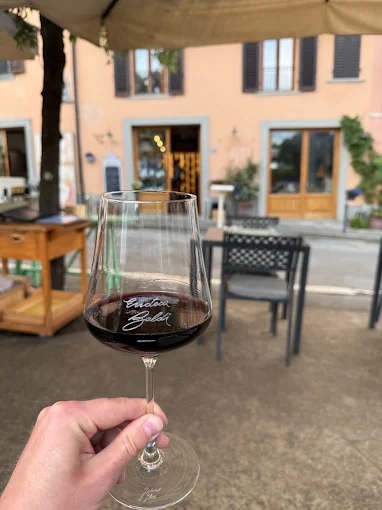
Now imagine a food delivery truck servicing the restaurant. The turning radius around the central plaza weren’t designed with large truck in mind. Hence delivery trucks are shorter with a stub nose cab.
Restrooms
Inside these ancient medieval buildings are now the modern conveniences we demand. One of which is plumbing. Public restrooms or toilets are frequently located one floor down – which creates a challenge for handicap accessibility. The lower floor was both better for drainage and less intrusive to the main floor. This practice of lower floor public facilities continues in newly constructed buildings like the Auto Grills that are sprinkled along the main highways.
Inside these public restrooms, the toilet stalls are tiny by American standards. Carving out room for large toilet rooms in a building with thick stone walls would have resulted in a different design. The Italian toilet is often wall hung with the tank or cistern located inside the wall. While the actual seat may be comparable to the distance away from the main wall.
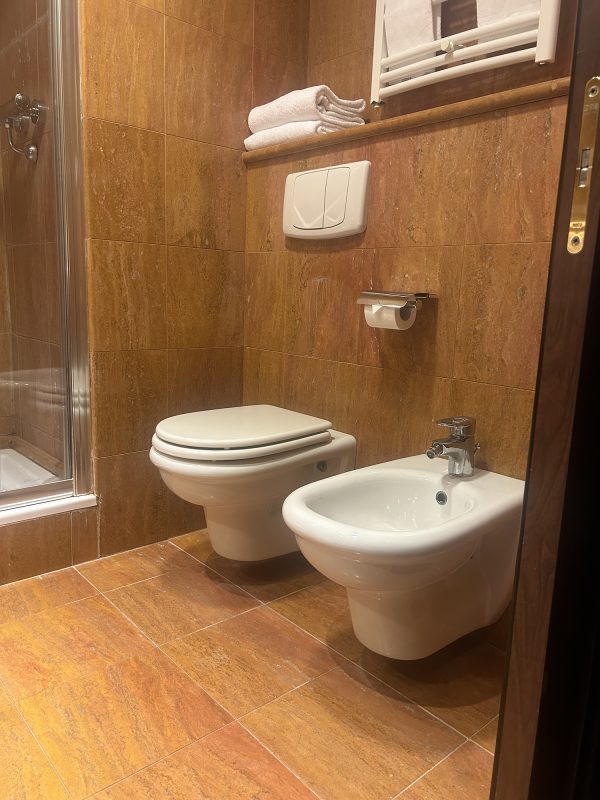
A typical US toilet extends 28” to 30” into a room while a wall hung Italian model only extends 19” to 21” into the room. Saving 10 inches is significant in an ancient stone building where toilets were not initially considered. New construction also utilizes the compact design as seen in our Rome airport hotel.
Kitchens
The villas where we have stayed were also old stone master pieces where inside kitchens were a later addition. I remarked how small many of them were without abundant prep space.
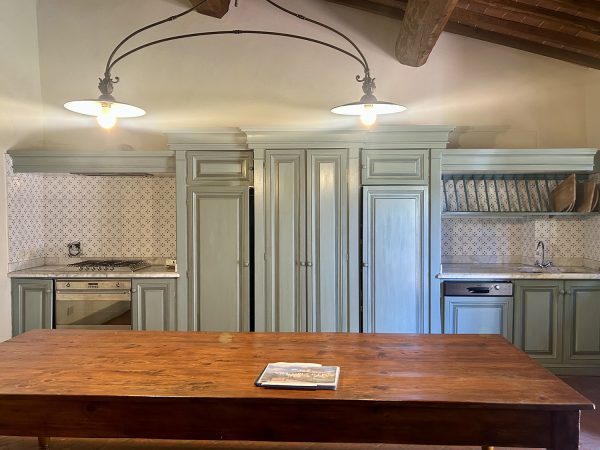
Here we saw the cooking against one wall and the sink against another. Prep space was frequently a center table. I asked chef Mimmo Baldi about this, and he said the Italian kitchen is typically small. “We just know how to make it work”.
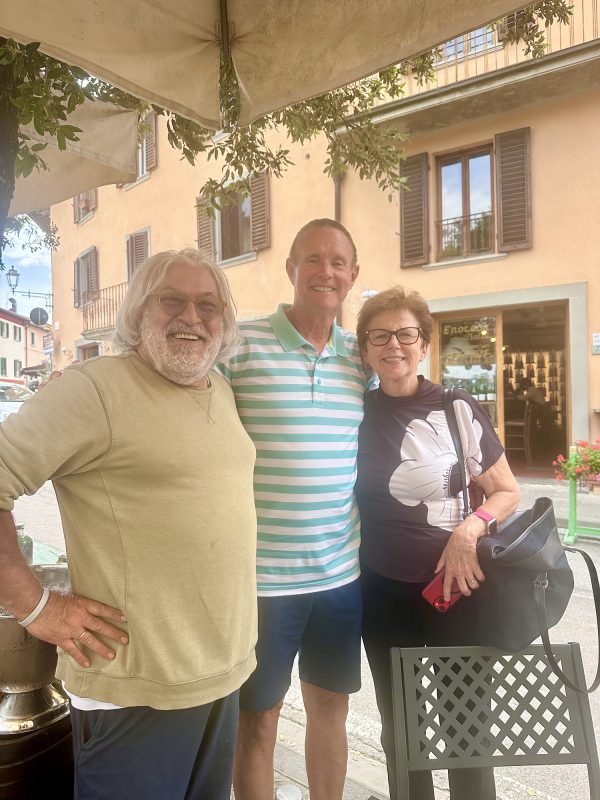
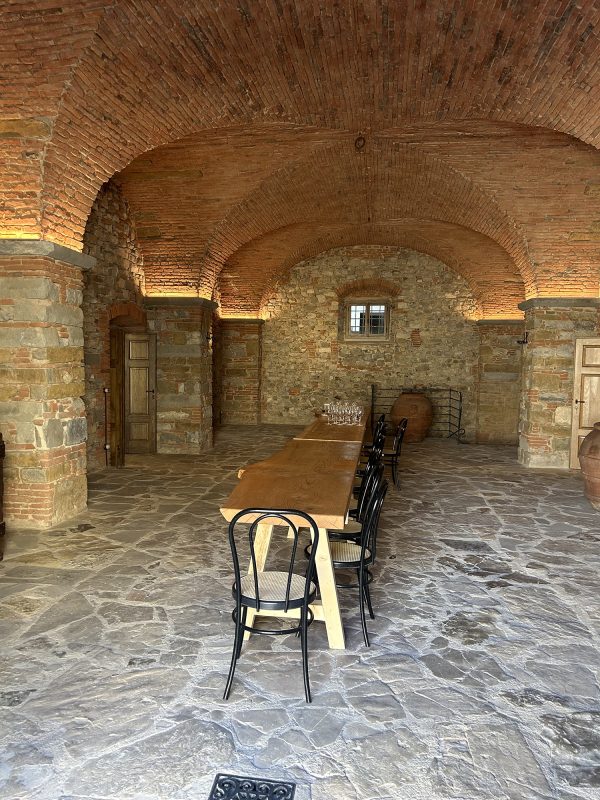
Instead, the priority is on the dining spaces – both inside and outside. I don’t know if this is the norm in new construction or in the typical Italian home, but we cherished our dining events. We hired local chefs including Chef Mimmo and the dinners including three courses plus desert, so we enjoyed many evenings dining.
I’m sure you’ve noticed how differently others live when you travel. Does it make you appreciate home more? Or are there ideas that you want to adopt? I’d love to hear your thoughts!
Salute!
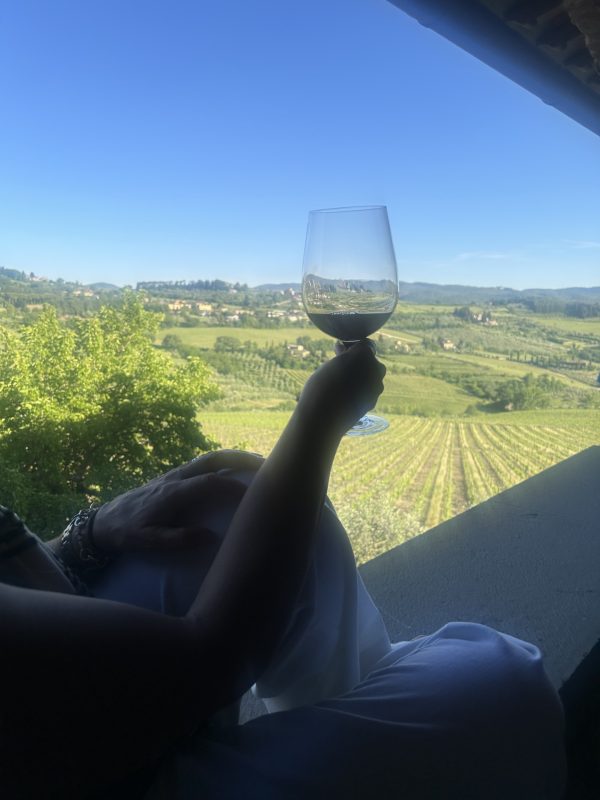
Yes, we did order several bottles of Chianti Classico wine. No telling when it will arrive but its medium body red (a perfect summer red wine) that will remind us of the beauty of the region and the amazing times we had. Will they taste quite as good as they did overlooking the rolling hills of Tuscany or in the tasting room filled with rich Tuscan aroma? I don’t know but I’m willing to find out!
Categorized in: Uncategorized
This post was written by Housing Design Matters
 Privacy Policy