
November 06, 2026
Not Your Grandma’s Wallpaper
I was collaborating with an interior designer on a project when she asked me how I felt about wallpaper. My initial reaction wasn’t positive. But I said, “Show me what you have in mind.” I was pleasantly surprised.
What this designer didn’t know was that my mother (grandmother to my children) loved wallpaper. Frilly, fussy, flowery patterns that covered every wall.
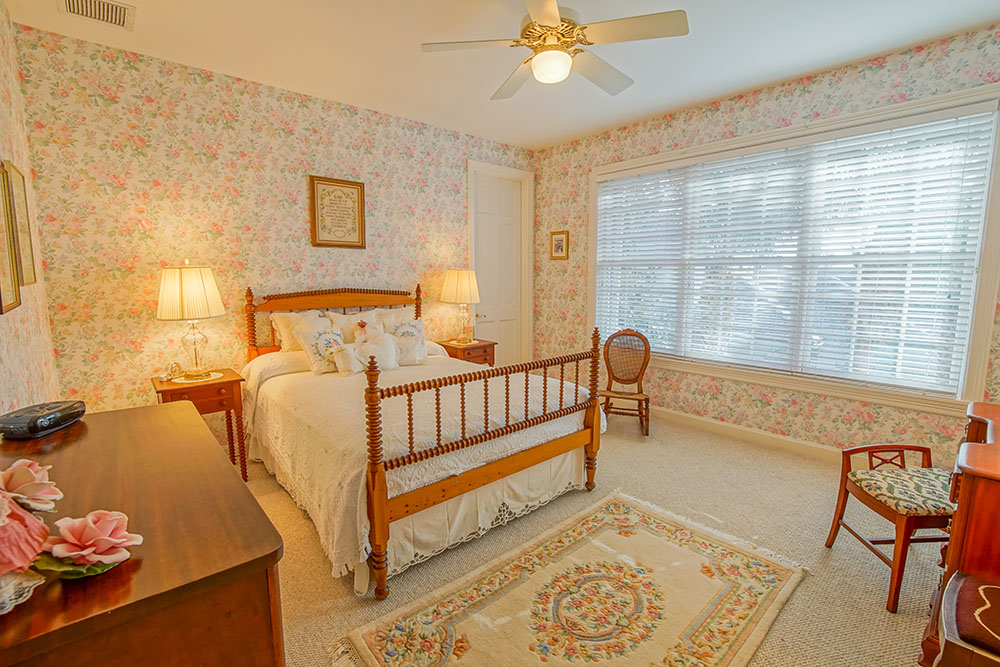
The overall effect was busy. I was not a fan of this look. Those memories had shaped my opinion of wallpaper.
Our first new house in the eighties had wallpaper in the kitchen and bathrooms. Back then, kitchen wallpaper was often kitschy, filled with clichés like roosters, vegetables, or herbs. Totally tacky. Bathrooms typically featured floral wallpaper, as if the flowers’ fragrance could somehow mask the room’s less pleasant odors.
As it turns out, younger people are pulling away from “Farmhouse chic” and moving towards cozy “Maximalism”, “Grandmillennial”, or “Ralph Lauren” styles. Does that mean we’re about to see a return to my mother’s house?
As much as I love my mother, fortunately, wallpaper today is used much differently. I have seen it used effectively in several applications. I have now seen it in model homes, custom homes, and a vacation rental listed on VRBO. Each application had a different purpose and vibe.
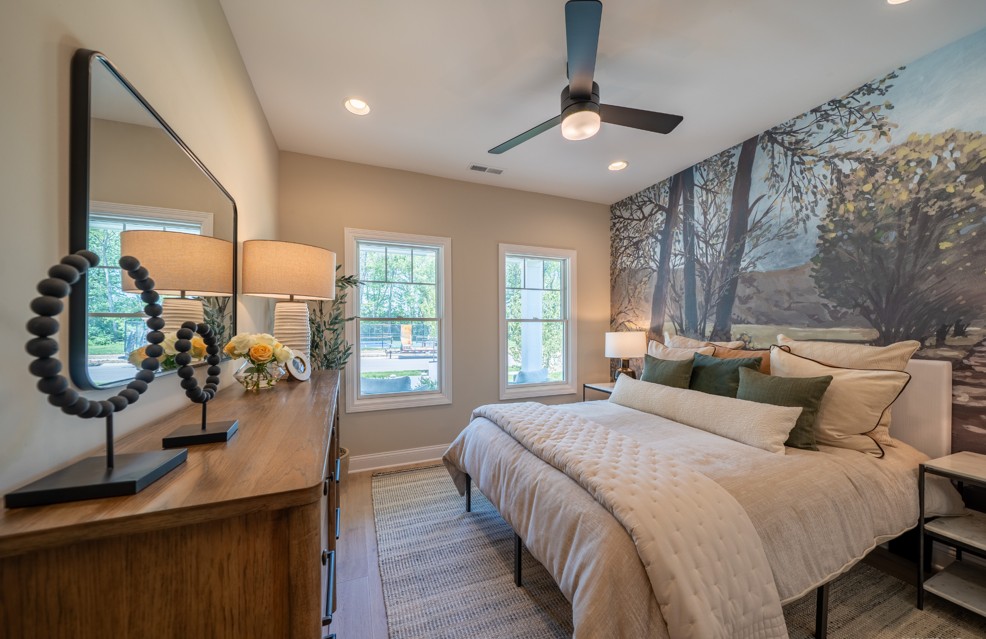
Wallpaper makes a great focal point as you enter a room, creating an impression that can be far more powerful than paint alone. It draws the eye and helps define the space, whether behind a bed, above a dining room buffet, around a fireplace, or behind a crib.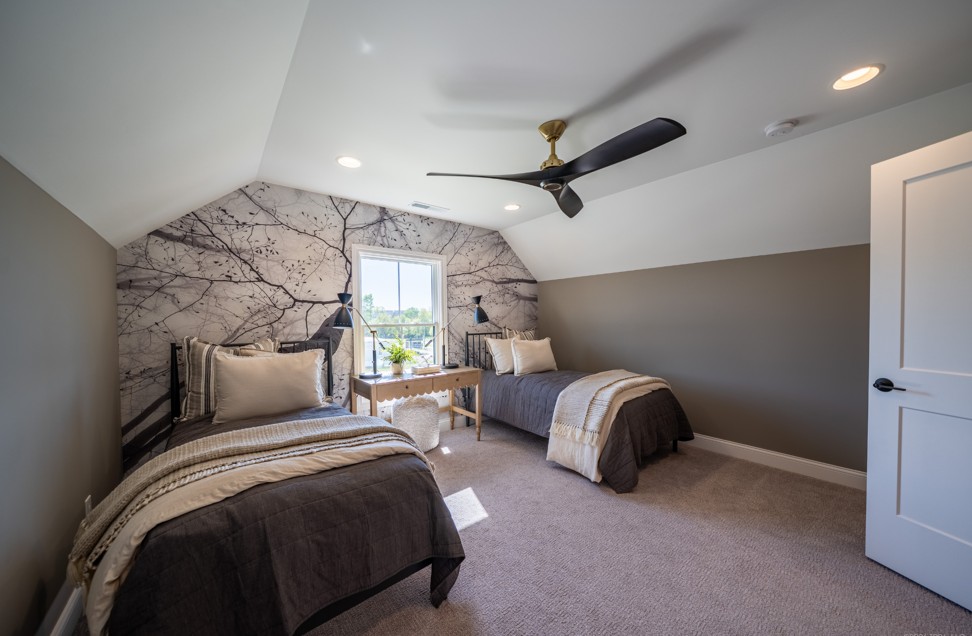
The pattern can set the tone for a room—or, in a vacation rental, the entire home. A tropical print immediately suggests a relaxing, warm-weather getaway.
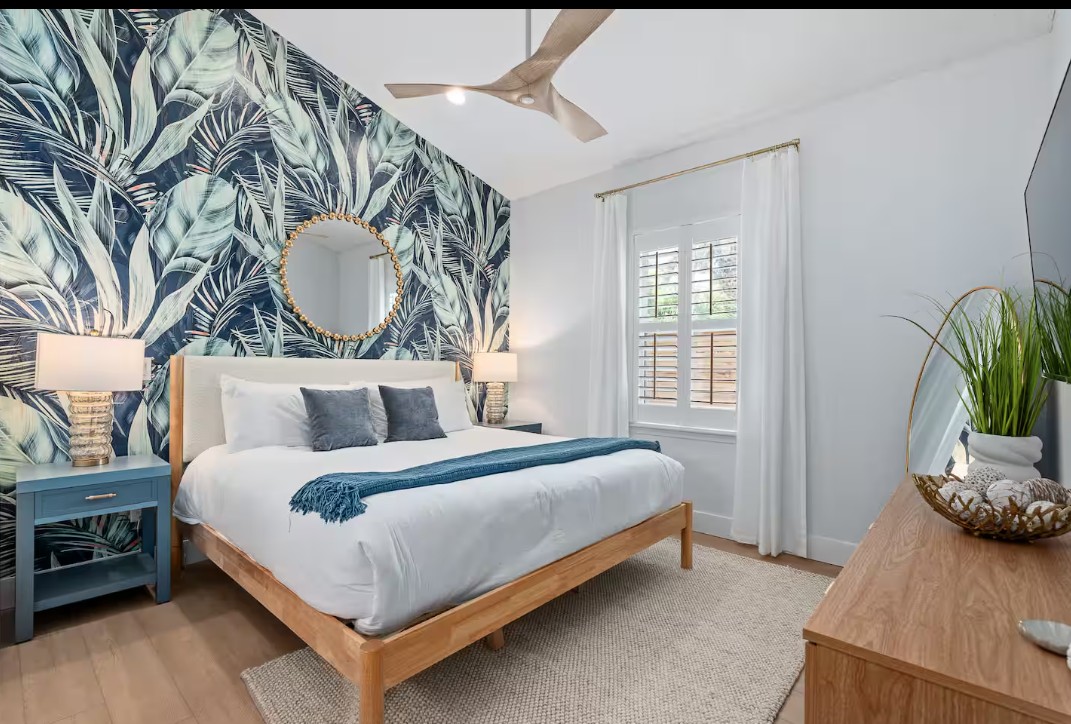
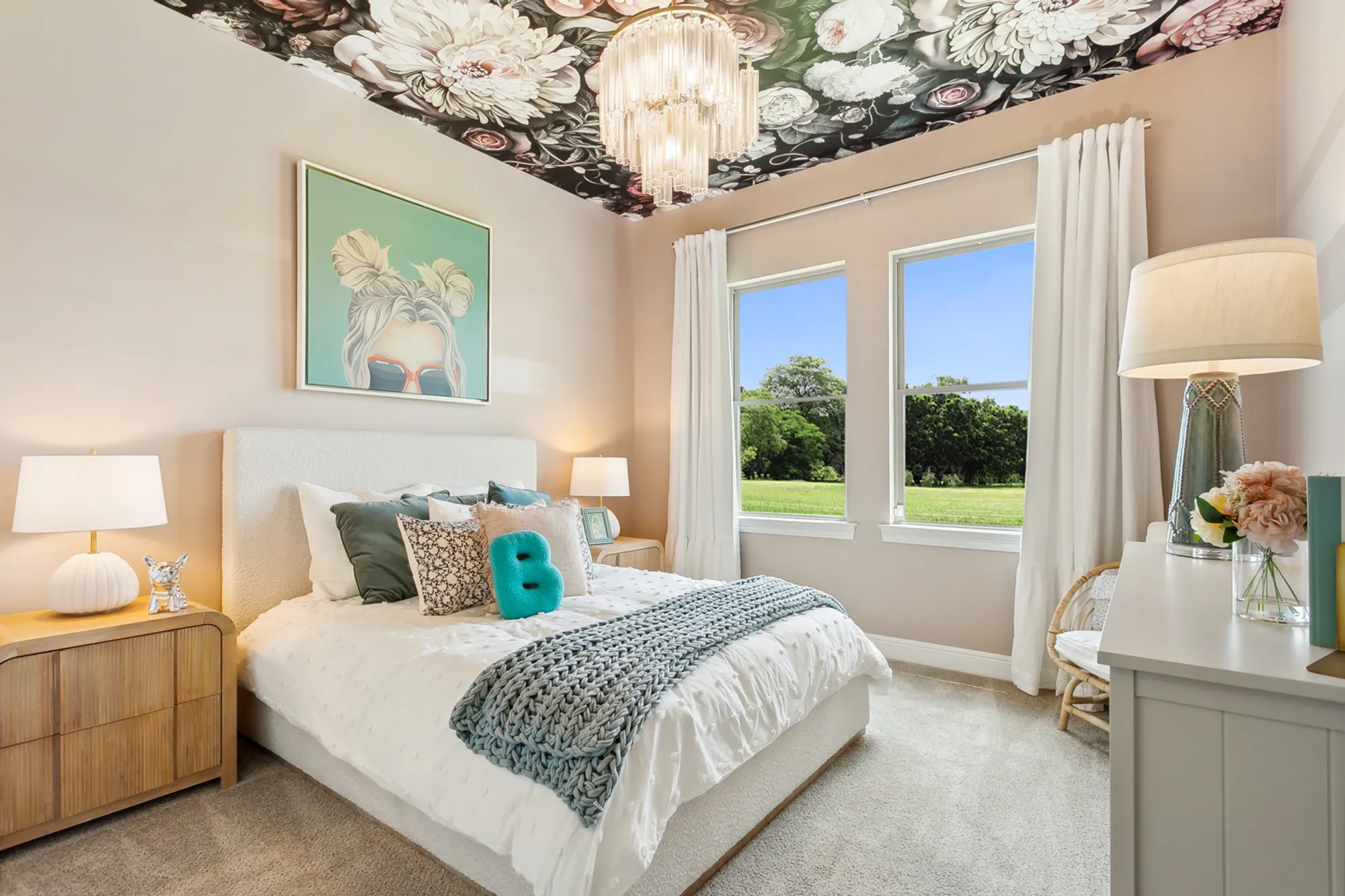
In a model home, wallpaper helps buyers imagine themselves living there. It can tug at their heartstrings as they picture an adorable mural or flowered ceiling in their little girl’s room.
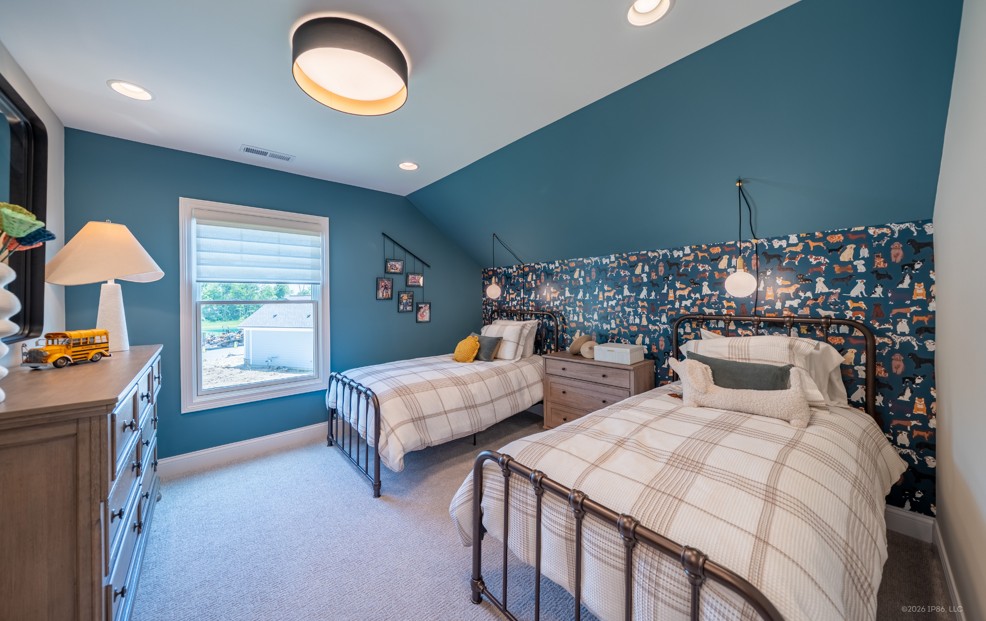
It can connect with a buyer’s interests or bring a favorite destination to mind. Think dogs, travel, fishing, or football.
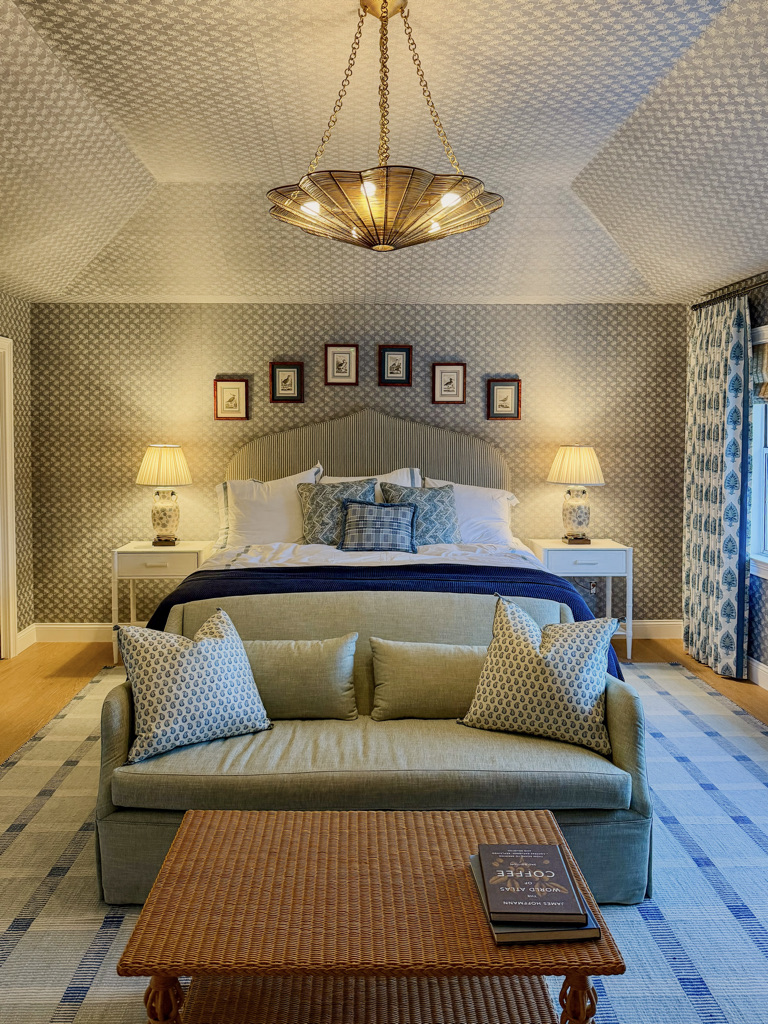
It can add warmth and texture to the wall. Far more engaging that painted drywall, it makes you want to reach out and touch it. Is it really wood or stone? Think how powerful a wall treatment can be when it makes a potential buyer stop, look closer, and linger a little longer. Added to the ceiling, it makes you look up. It can make the ceiling feel higher or create coziness, depending on the pattern or color. And since we’re selling the whole house including the four walls and ceiling, isn’t this a great way to engage with the buyer?
It is also a great way to merchandise a space without added artwork or even furniture. The garage is a perfect example of an important room that has a story to tell. What story does the wallpaper tell there—a workshop, a home gym, or a place to display cool cars? In a small room, like a powder bath, the wallpaper itself becomes the artwork.
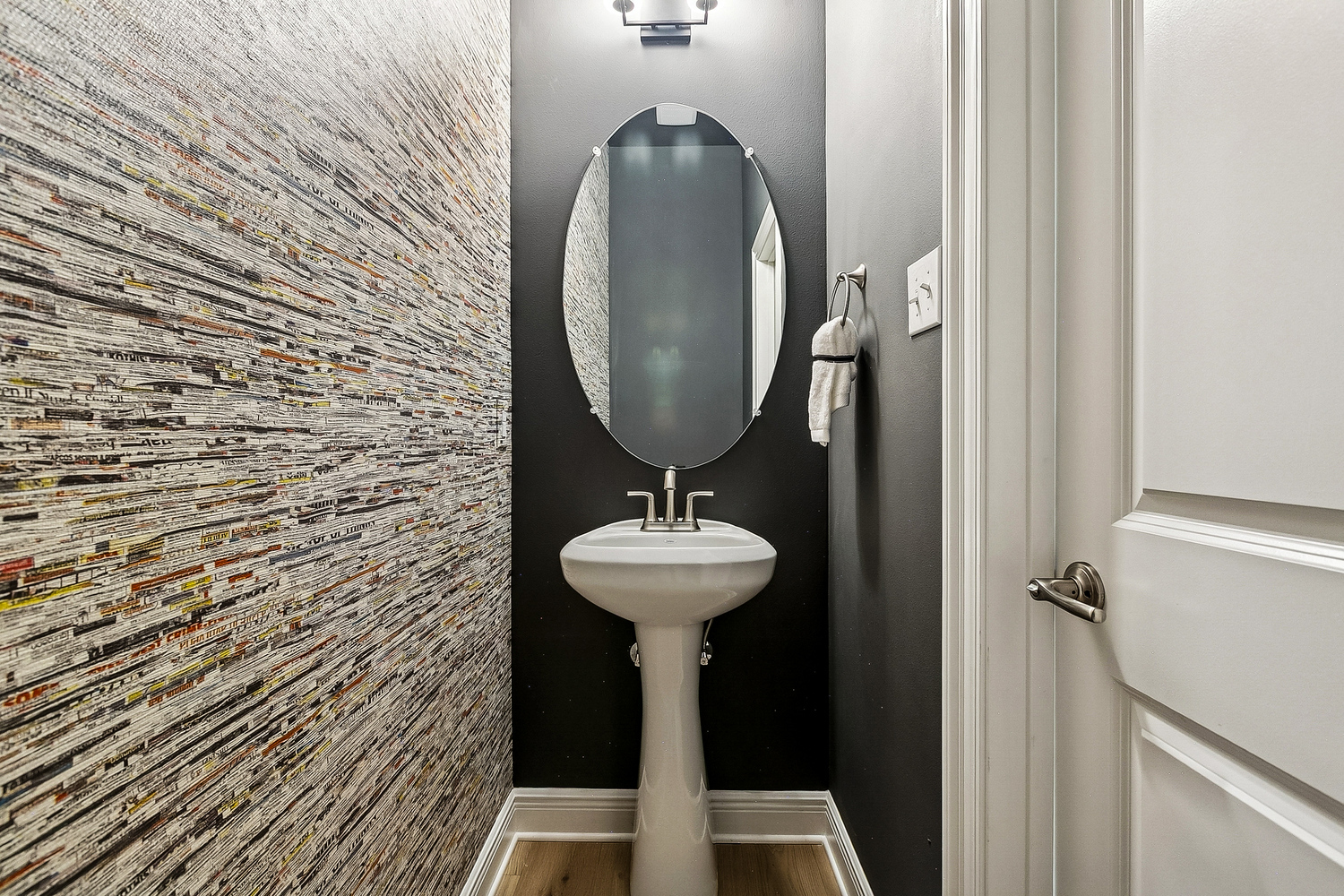
I started the collaboration with memories of fussy florals covering every wall. I came away seeing wallpaper as a powerful design tool. Used thoughtfully, it can give a room personality and help buyers imagine a home that reflects their own interests and lives.
For those of us creating model homes, that’s an opportunity. Where could a pattern, a texture, or an unexpected ceiling treatment make buyers pause, smile, and picture themselves living there?
Grandmother loved her wallpaper. It turns out I do, too. More importantly, today’s buyers are craving it.
Categorized in: Uncategorized
This post was written by Housing Design Matters
 Privacy Policy