
July 13, 2026
Why Buyers are Drawn to Nostalgia
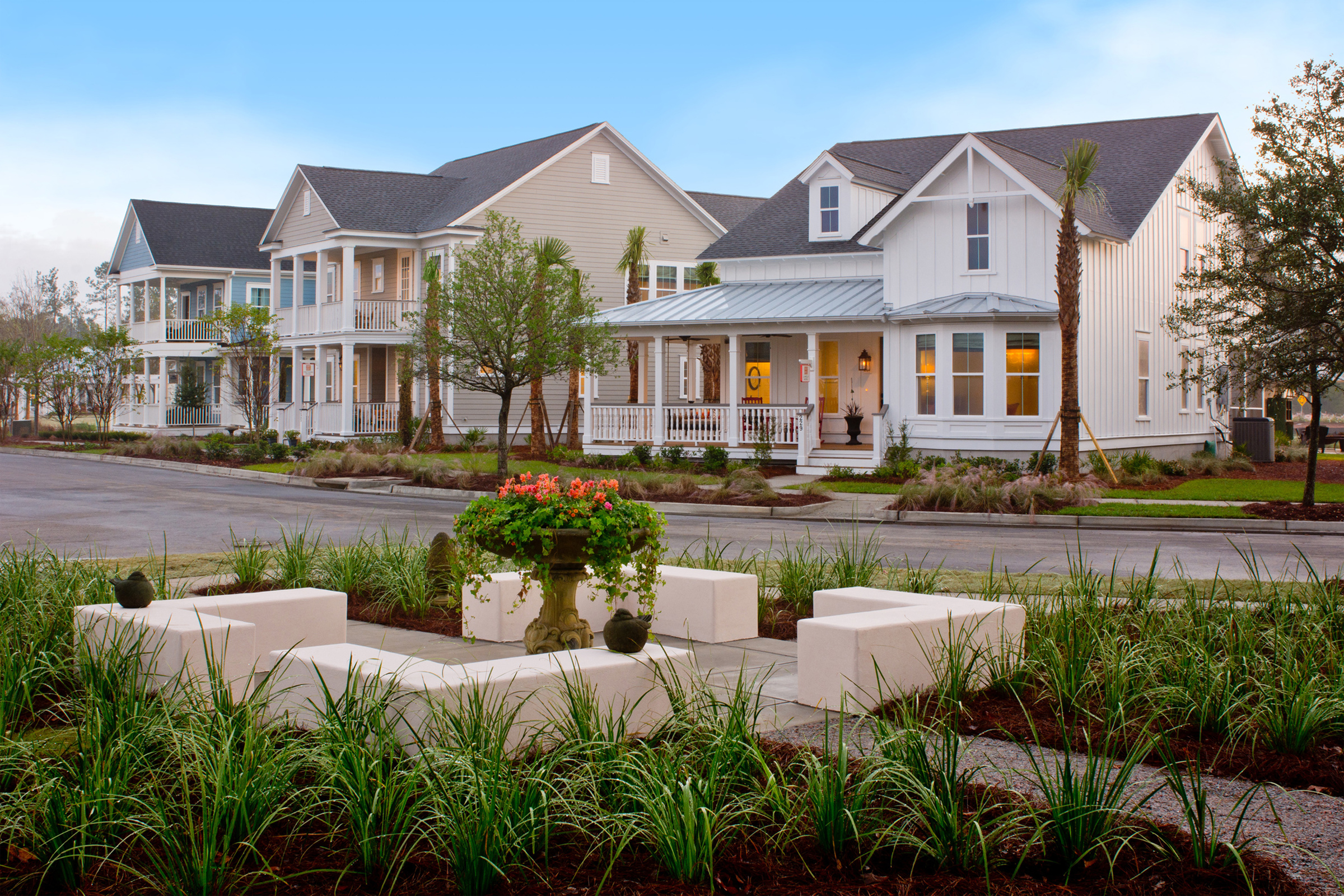
Nostalgia has a tremendous influence on the home buying decision. While form may follow function, people rarely buy a home based solely upon function. They will buy a “feeling”. Perhaps those feelings are rooted in memories.
Nostalgia creates emotional safety.
There is inherent comfort with familiarity. In periods of uncertainty, people gravitate towards what feels familiar. That could economic or political uncertainty. Perhaps health related uncertainty such as the pandemic. What about uncertainty created by rapid advance in technology – like AI?
Traditional architectural styles become visual anchors that suggest permanence, stability, and comfort.
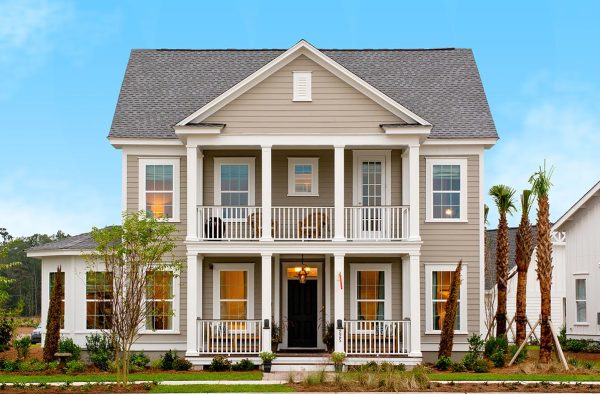
- The symmetry of a Colonial style home evokes dependability and calm.
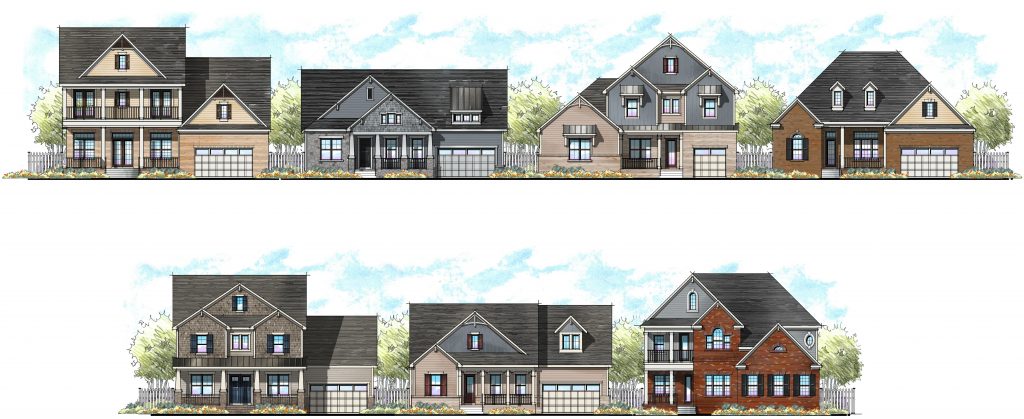
- A Craftsman style home suggests handcrafted authenticity

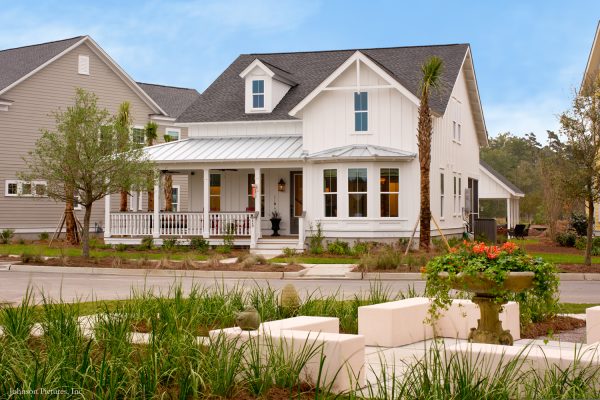
- A Farmhouse style might suggest simplicity and family.
Familiarity reduces perceived risk
People tend to trust what they understand or recognize. Contemporary or modern styles may be fresh and cool, but timeless styles are easier to understand. Asymmetry creates tension, even while in balance. Buyers can easily picture themselves living in a traditional style since they’ve seen it their entire lives.
Buyers are purchasing memories
When a buyer selects a historical style, they are not purchasing history but rather the style is creating a positive memory.
- A family members house – like grandma’s house
- The neighborhood where the grew up.
- It could also come from movies or TV shows.
- Even storybook and holiday traditions all carry powerful emotions.
Indeed, the emotional connection may be stronger than actual reality from their past.
Architectural styles are rich with symbolism. Many current architectural styles evoke emotions.
- Craftsman: Honesty and quality
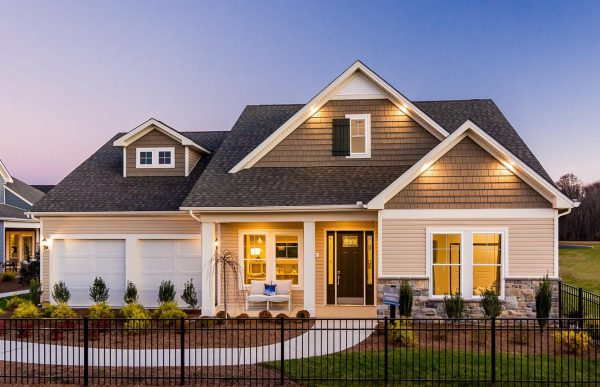
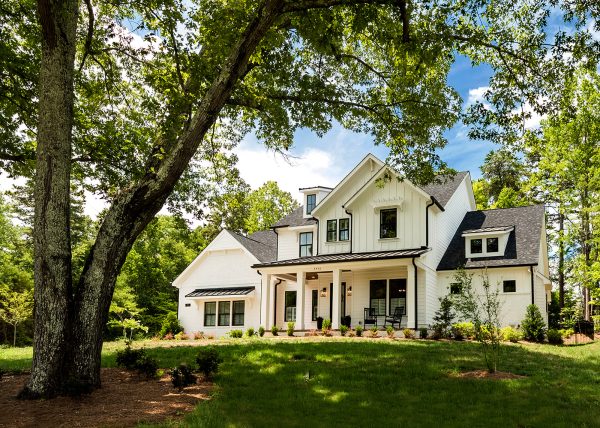
- Farmhouse style: Salt of the earth, a slower pace, rural life, and family
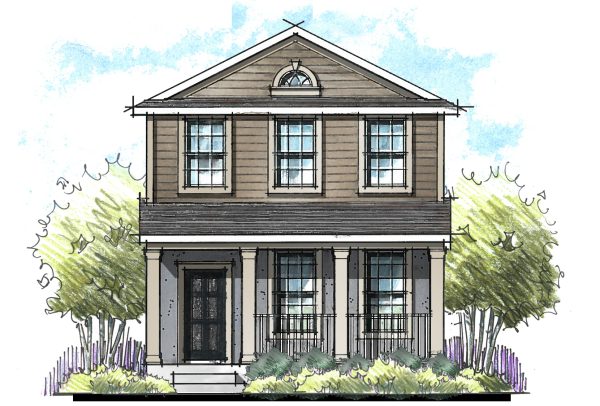
- Colonial: Tradition, order, and heritage
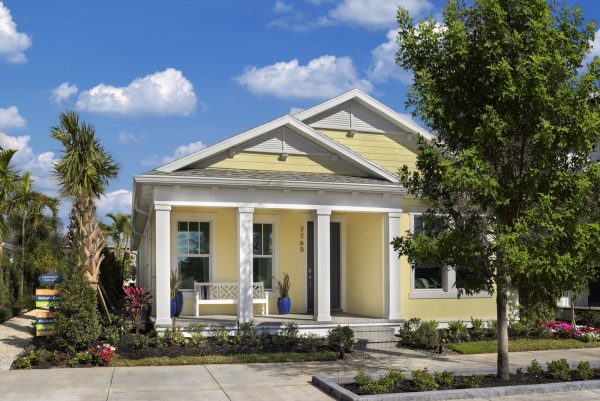
- Cottage style: Coziness, intimacy and even escape
- Prairie style: Serenity, belonging to the earth, and simplicity
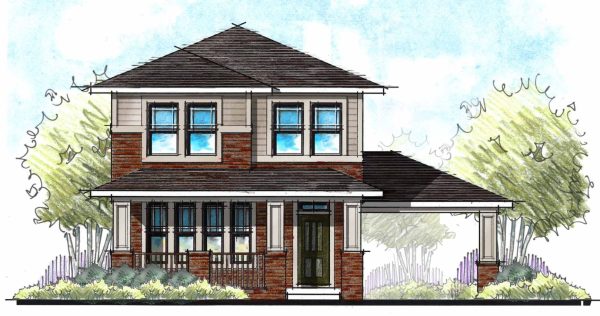
Details matter as much as the overall style
There is so much that goes into each style of architecture, but since most consumers are well versed in the nuances of each style, the details become important emotional triggers.
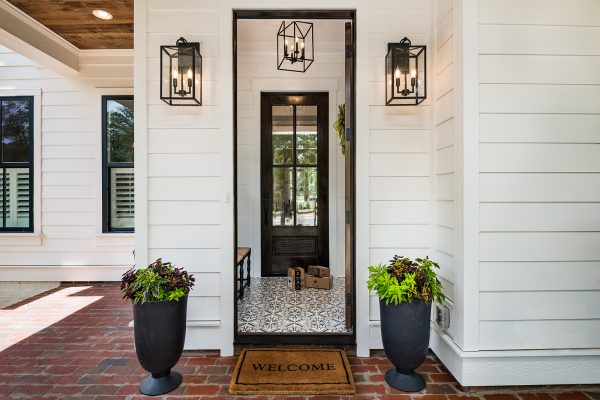
- Front doors should follow the style of the home. It is the first part of the home that many of us touch. It should also be welcoming.
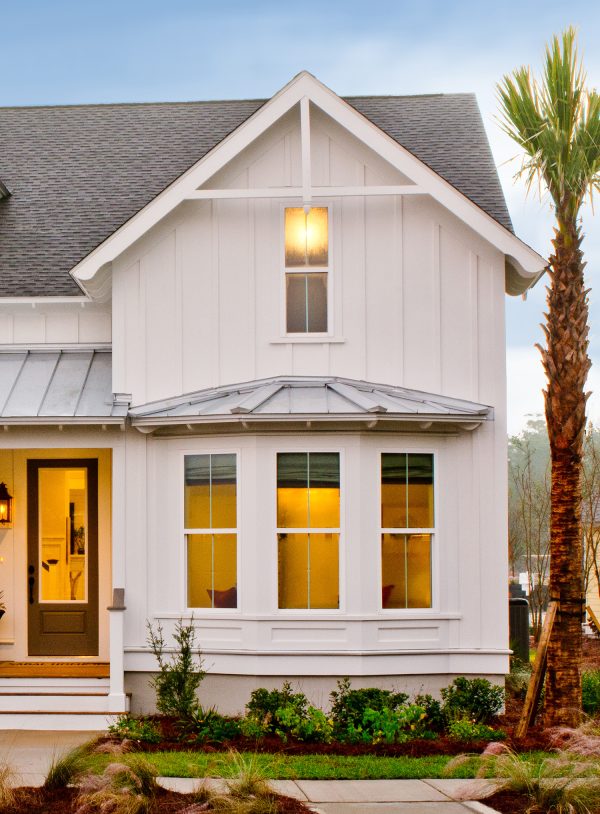
- Window grids reinforce the style and can create diversity along the streetscape.
- Front porches are not only welcoming, but also suggest a connection with the community and relaxation.
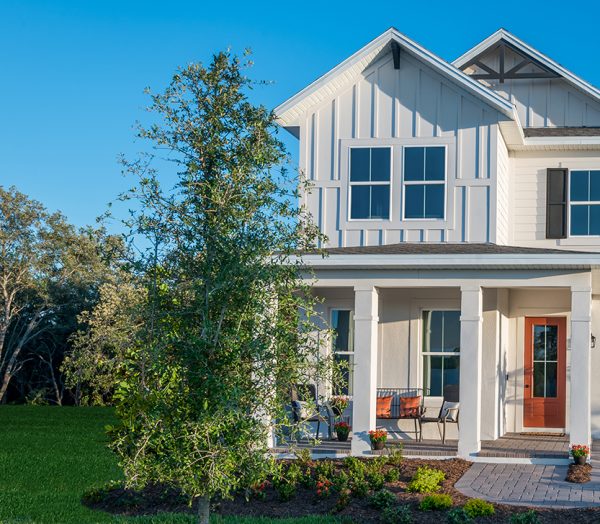
- Shutters can enhance the architectural style and they also add color.
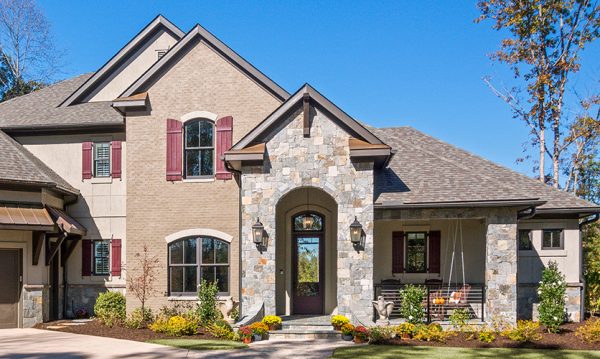
- Color selection is also critical in conveying the style and should not be overlooked.
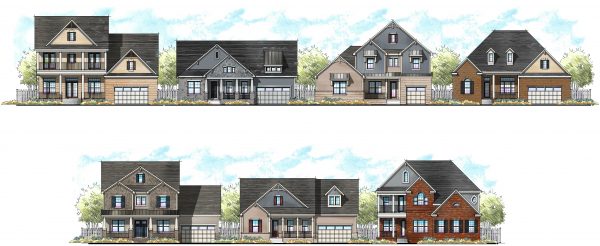
Nostalgia is cyclical
It is said that nostalgia is cyclical and each generation tends to romanticize styles differently than previous generations.
- Baby boomers rediscovered the Craftsman style
- Millennials are drawn to the Modern Farmhouse
- Gen Zs are rediscovering cottage styles and richer detailing.
The Paradox of nostalgia
Nostalgia doesn’t prevent innovation, it guides it. We love to blend modern living floor plans with familiar architectural cues, so it lives today but feels comfortable and familiar. New low maintenance materials and finishes that look like their authentic counterparts but last much longer. Energy saving features that look authentic but perform much better.
Architect Robert A. M. Stern once said, “People often want buildings that look as though they’ve always belonged there – even when they are entirely new.”
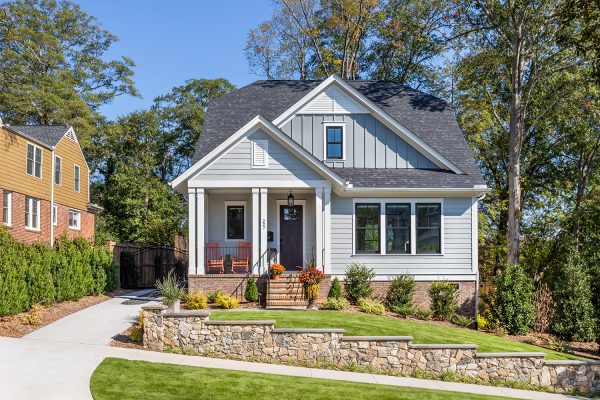
Embracing Nostalgia in our new home designs
Buyers don’t simple choose a house style, they choose a story. Perhaps it’s a story from their past they want to entwine with their new future. The power of nostalgia gives a brand-new house the feeling like an old friend. Let’s use nostalgia – not to replicate the past – but to honor the emotional wants and needs of future generations.
Categorized in: Uncategorized
This post was written by Housing Design Matters
 Privacy Policy