

March 30, 2026
Life Experiences that Shape Residential Design
I went to architecture school to learn how to be a good architect. I went to the school of life to become a better architect.
Perhaps the biggest challenges and lessons learned were raising three children while both my husband and I had full-time careers. Actually, we both had two careers – being parents and our jobs. The work-life balance for working parents is an ongoing challenge so there’s no reason the place you live should make life harder. Below, I have gathered some design principles that I apply to the houses I design.
The Working Family Kitchen
When my husband and I came home from work, meal prep was often compressed into a short period of time. The kitchen needed to be zoned for more than one cook in the kitchen. The kitchen island creates better circulation in and out of the kitchen. Do you have enough space around the island? I like to show on the floor plan the outline of the appliance doors in their open position – the dishwasher, oven door, and the refrigerator door.
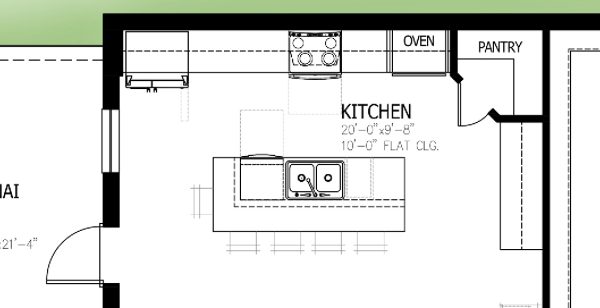
Now imagine two people preparing the evening meal and navigating the spaces between these appliances.
The Messy Kitchen
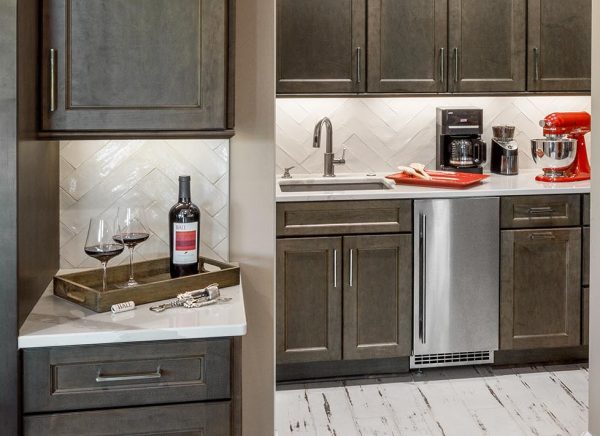
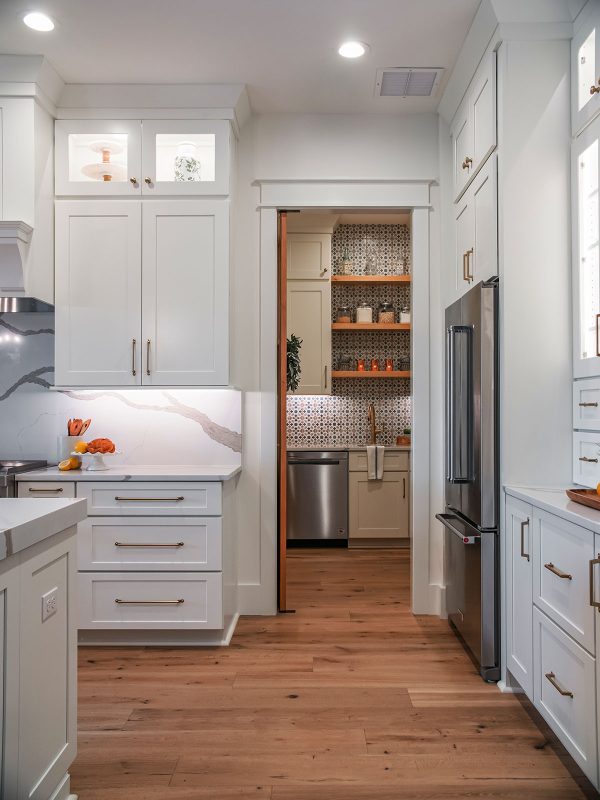
This has been a huge part of my design philosophy ever since our kitchens became open and entertaining spaces. This is simply an alcove off the kitchen for counter clutter and other messes. What goes into the messy kitchen depends on the size of the house and the budget. It could be extra cabinets out of sight for small appliances to live. Or it could include a second sink, dishwasher and refrigerator.
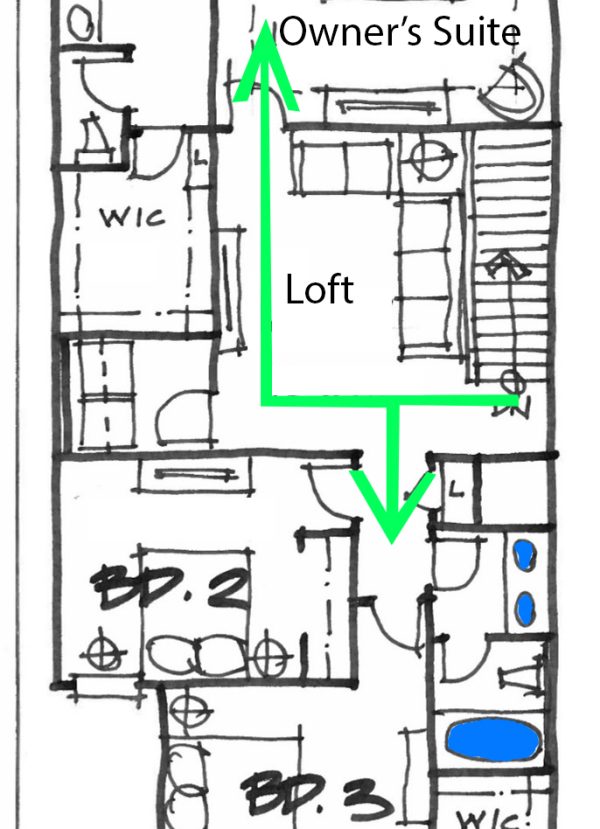
Protect the path to the primary bedroom.
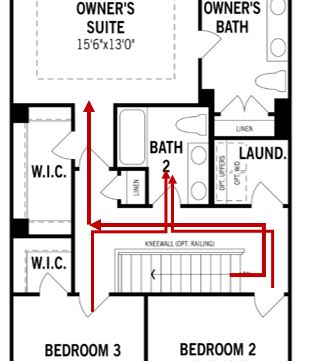
Like many working moms, my time and energy was split between work and home. A neat house was way down on my list of priorities. As a result, I raised three wonderful but messy kids. The last thing I wanted to do at the end of an exhausting day was to be reminded of that fact. So, I never wanted to walk past my kids’ bedrooms on the way to my bedroom – that path needed to be free and clear of any stressors like their bedrooms or their bath.
Don’t Cross the Streams
This is a term I borrowed from Ghost Busters, and it has to do with crossing paths in a floor plan. In addition to the above-mentioned path to the master, the path to each kids’ bedroom room and their bathroom needs to be a direct as possible and not cross into other paths like that to the master.
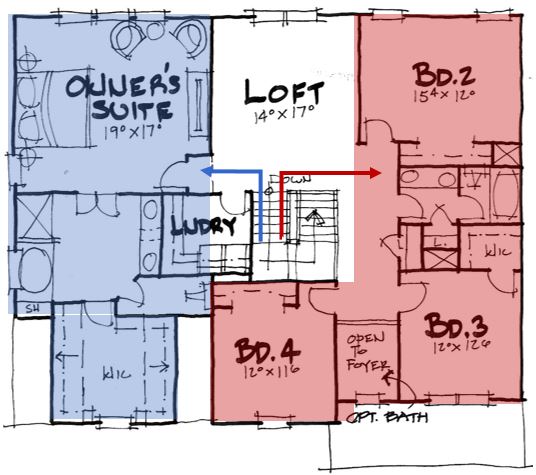
I guess that’s just smart zoning of a floor plan.
Avoid the Naked Run
This is especially relevant today as builders try to keep costs down. Often a value conscious floor plan has three bedrooms sharing one bathroom. But sometimes one bedroom is across the foyer or remote from the bathroom. Kids being kids never remember to bring their PJ’s or a robe prior to going to taking a bath or shower. So, after their shower, they run naked thru the house to get to their bedroom – hopefully not at time when there is company visiting. Yikes!
Shared Bathroom Stress!
If a bathroom is shared by three bedrooms, I like to make it a compartmented bathroom (dual sinks in one room, bath and toilet in the other) so that three kids can you at the same time – two brushing their teeth and one taking a shower.
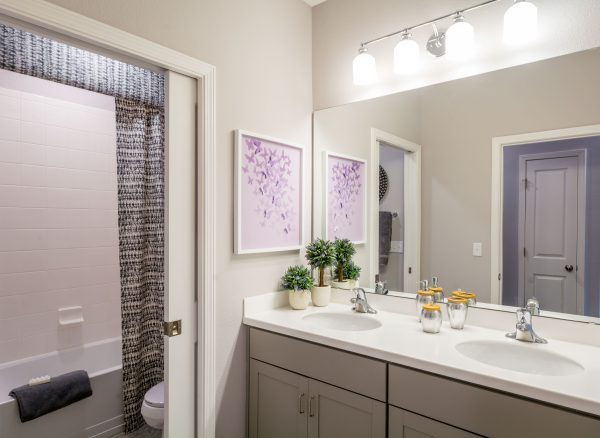
The bathroom stress sets in right before having to leave for school (brush your teeth before we leave) and right before bedtime (showers and teeth brushing).
The No Argument Bathroom
I prefer when a shared bathroom has hall access and not direct access to the kids’ bedrooms. At some point as kids grow up, modestly sets in. Suddenly, bathroom does get locked. If the bathroom connects directly to the bedrooms, the modest kid will lock the other door before using the bathroom.
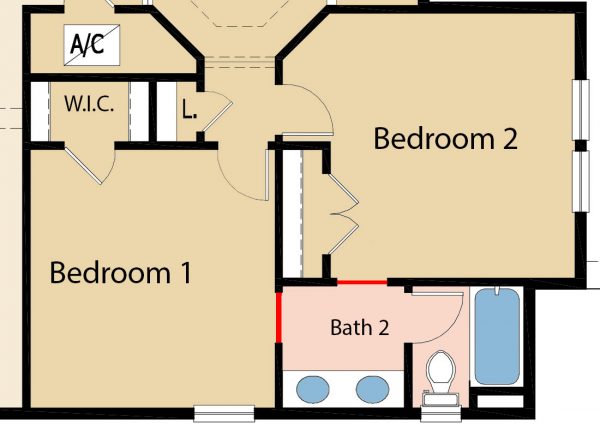
But when they are done – they never unlock it. This forces the locked-out kid to go through their sibling’s bedroom to access the bathroom.
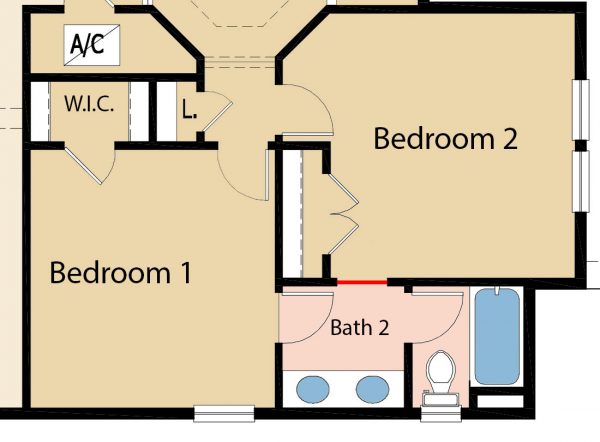
That’s when I hear the shout – “Mom – he/she is in my room!”
The Connected Laundry
Laundry is a necessary evil, so I am in favor of anything to diminish the burden of the task. Having a connection to the primary closet directly into the laundry room cuts down the path of travel for both dirty clothes to the laundry room and clean clothes back to the closet.
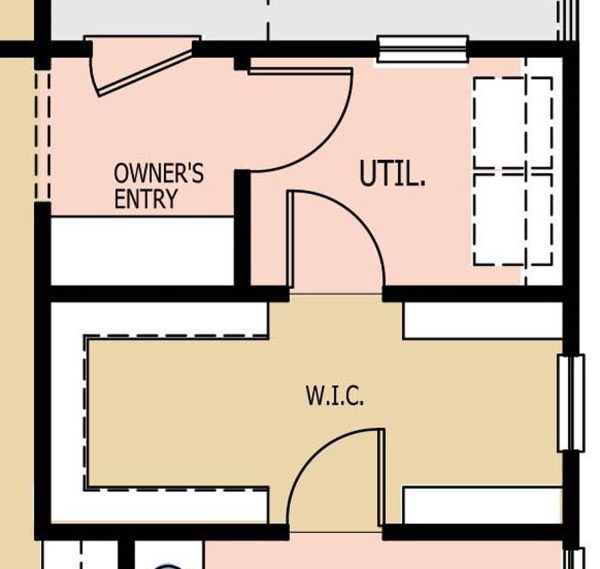
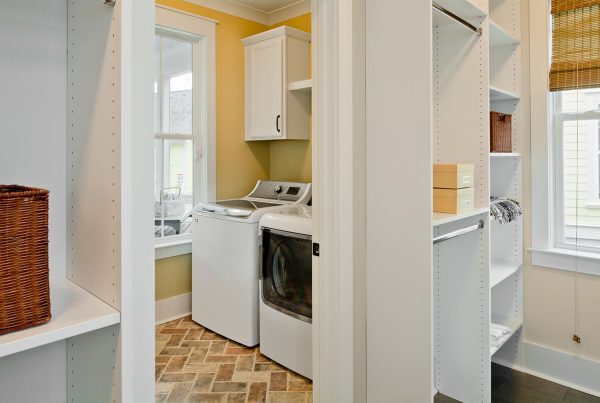
Wet hanging in the laundry room
Over the years, I have found that women value the ability to let some clothes air dry – like yoga pants and bras to name a few. I like to include an area for wet hanging in the laundry room and include a ceiling fan to speed drying time.
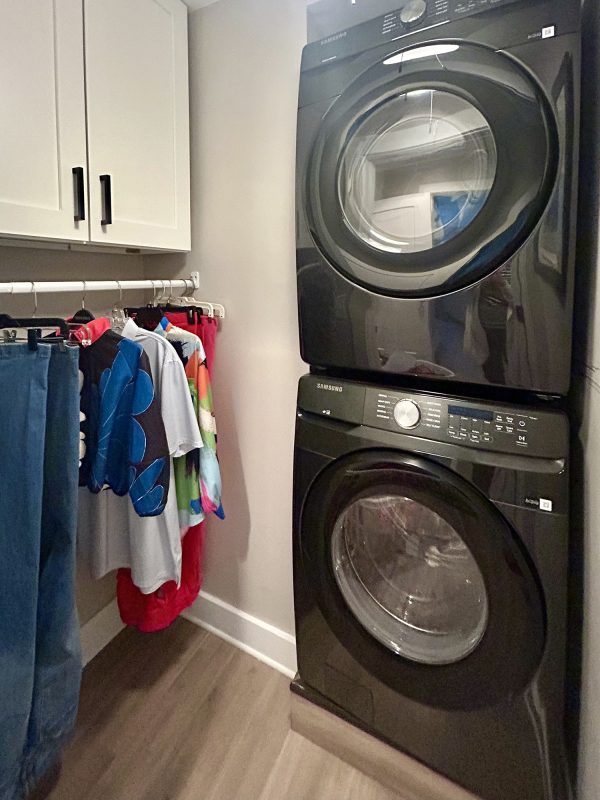
If there is not a designated space in the laundry room for these things to dry, every door frame becomes a wet hanging opportunity – not a good look. If the laundry room is connected to the primary closet – and you have LPV floors – you can have wet hanging in the primary closet.
Now that I am an empty nester, I have an entirely new list of design practices – but that is for another day.
If you have any floor plan features that come from your own life lessons and experience, I would love to hear them!
Categorized in: Design Solutions from a Working Mom's Point of View, Uncategorized
This post was written by Housing Design Matters
 Privacy Policy