
October 26, 2026
Homes Designed for Pets (AND pet owners)
The buzz in the industry is all about pet-friendly features. But let’s be honest: these features are designed less for the pets and more for their owners. Most pets are just happy to be in your house. And it’s the people who are making the purchase. Including features for pets can also tug at the heartstrings of buyers who consider their pets part of the family.
Do we dare say—”pet-proofing features” for your house? Too harsh? Maybe. But don’t we talk about child-proofing a house? In the latter case, the goal is to protect the child. A pet-proof house protects the house and the sanity of its owners.
Pet ownership in the U.S. is substantial. Seventy-one million, or 53% of households, have at least one dog. Fifty-three million, or 39% of households, have at least one cat. The numbers overlap because some households have both dogs and cats. Living together. Mass hysteria. (Sorry—cheesy line from Ghostbusters.)
Pet ownership spans all age groups. (Pew Research Center 2023 survey)
Age Own a Dog vs. Own a Cat

Pew Research also compared pet ownership among homeowners and renters.

Since pet ownership jumps dramatically from renters to owners, including features for pets and their owners in homes for sale has merit. Let’s look at features that are suited for both dogs and cats, then features for each type of pet.
DOG AND CAT PROOFING FEATURES
Flooring is perhaps the most important thing to consider for both types of pets. In a previous blog post, we talked about carpet and pets. Carpet makers have responded with carpets that are resistant to the four “Ps” from pets: Paws, Puddles, Piles, and Puke.
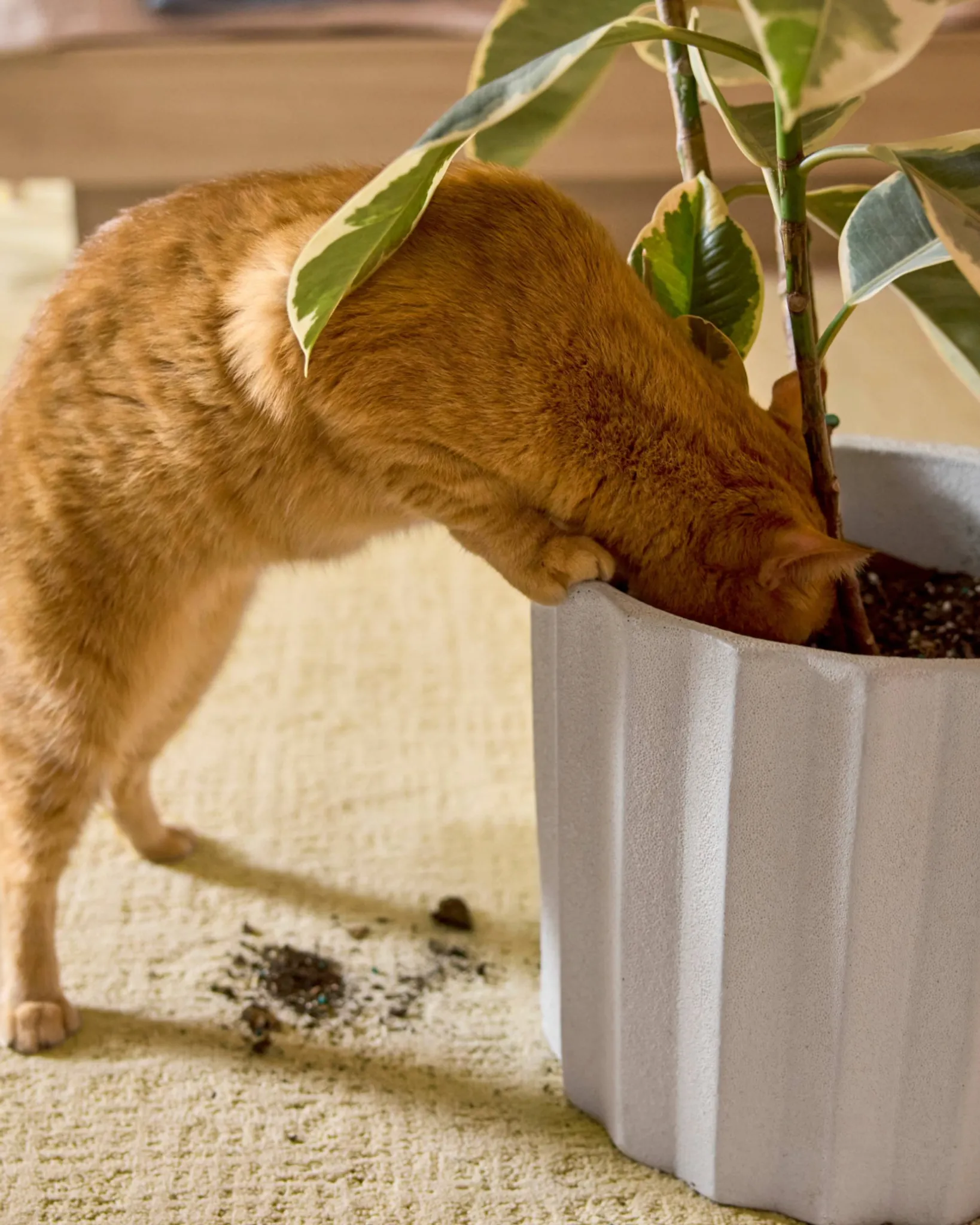
Equally pet-proof is luxury vinyl plank flooring, but look for lines that are water and scratch-resistant.
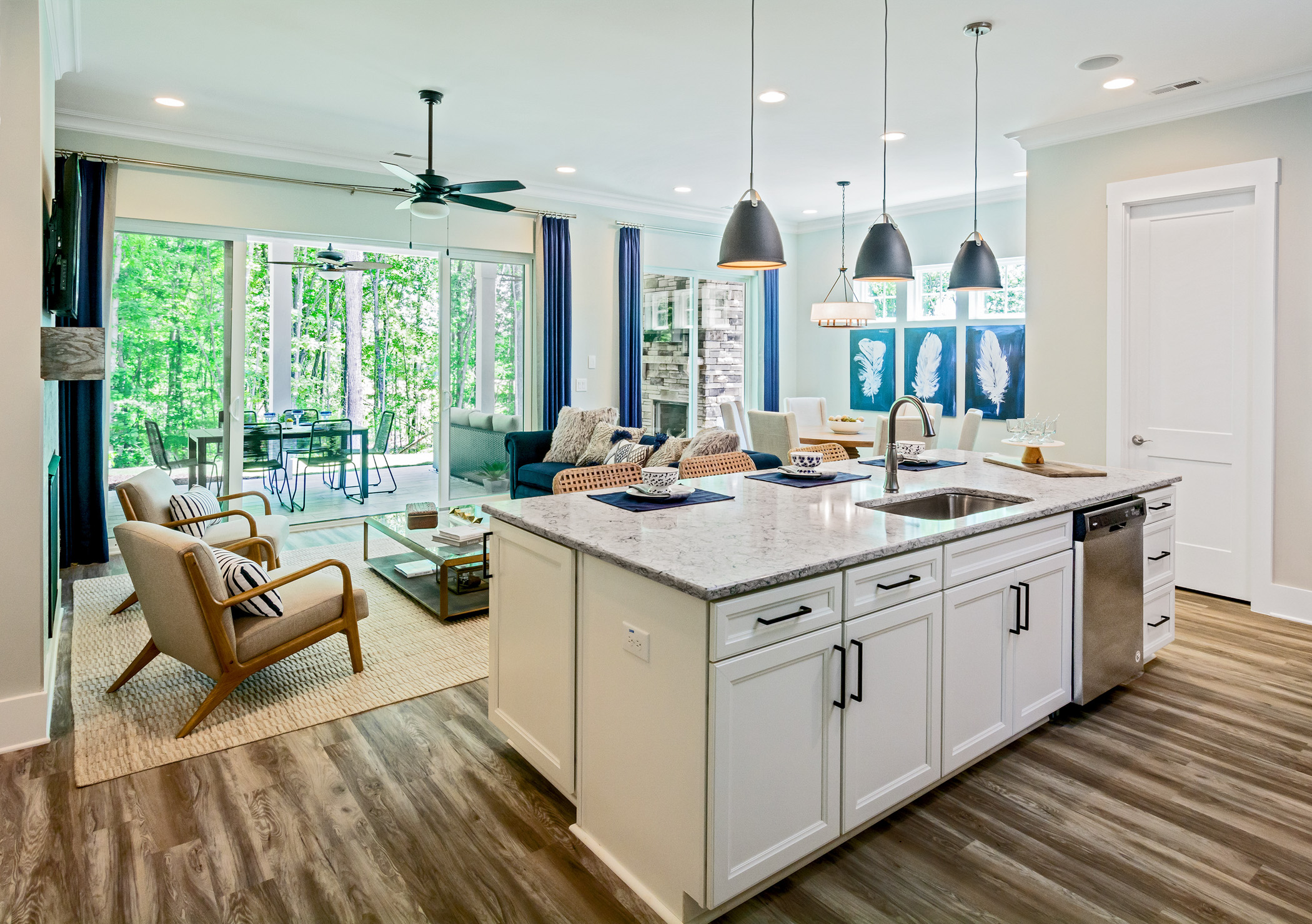
Since both dogs and cats shed, thoughtful vacuum options are welcome. I love the electronic dustpan that comes with a central vacuum system. Locate outlets near pet centers.
Pet Doors
We have a pet door on our screened porch. This one is large enough for cats and medium-sized dogs.
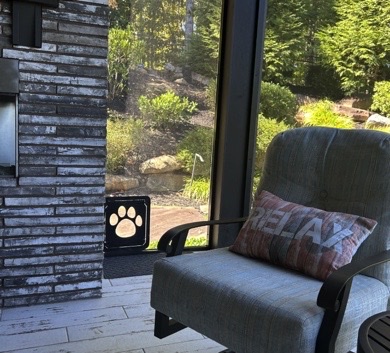
My daughter’s dog, Joey, could barely squeeze through. There are floor mats both inside and outside of the doggie door—but muddy paws still find their way inside. We had a similar arrangement in our previous Florida house. There, we had an outdoor cat that we would feed on the back screened porch. Unfortunately, raccoons had discovered this and quickly mastered the pet door, resulting in many unwelcome visits.
If you want to let your pets out without letting wildlife in, pet doors are available that open only for a pet wearing a special collar. Take that, Rocky Raccoon!
Feeding Areas
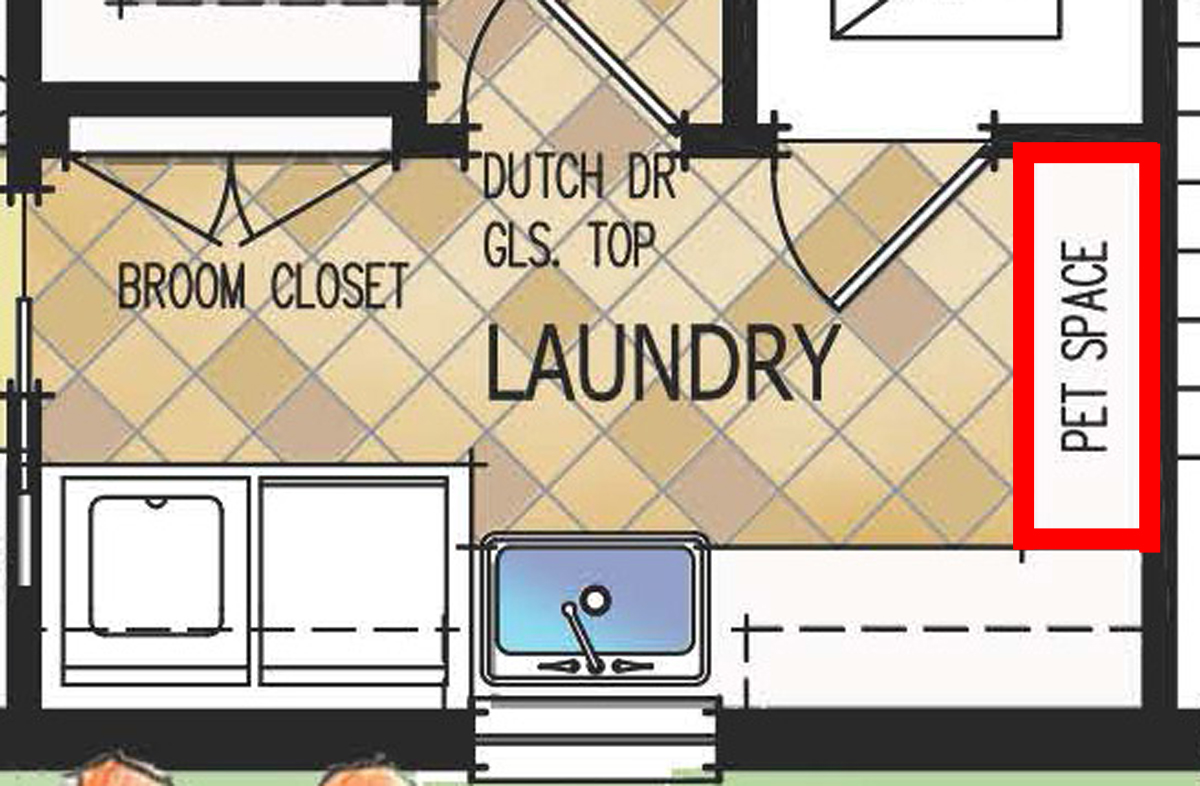
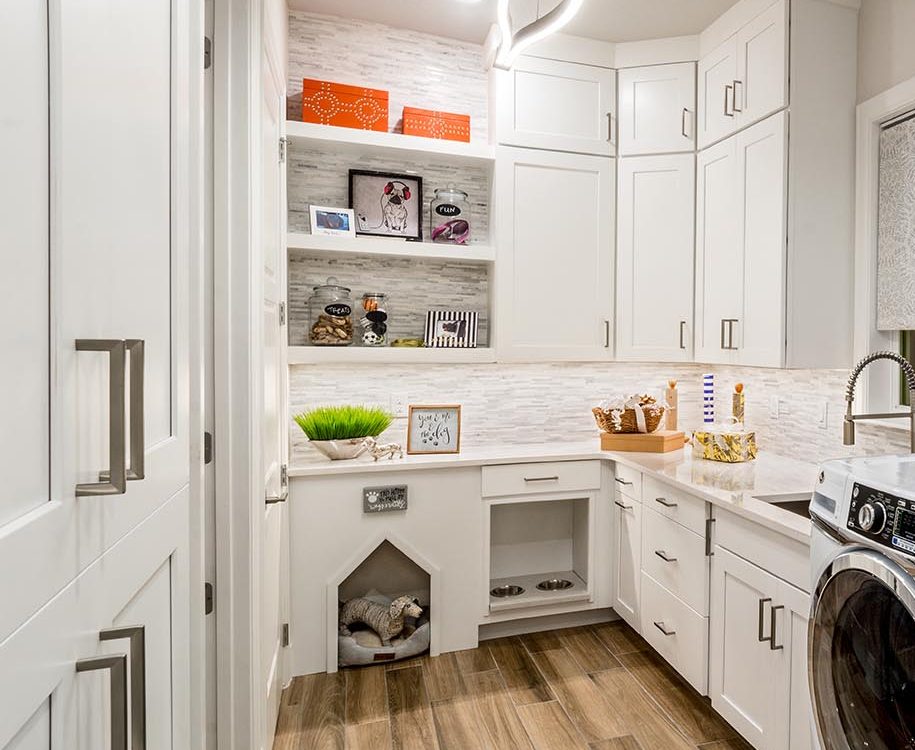
A designated area away from our daily walking paths is a welcome spot for food and water bowls. We learned this the hard way with our first dog. It didn’t take long to relocate Shadow’s bowls after tripping over them and sending food and water all over the kitchen floor. We feed our two dogs, Heidi and King, in our laundry room. It is out of the way—but with these two, we never have to worry about spilling dog food on the floor. It is also where we store the dogs’ canned and dry food. When our cat was alive, we fed her on the laundry room counter top. This allowed her to eat her food without worrying about the dogs eating it before she could. Some use the top of the laundry machines, just make sure they finish eating before starting another load.
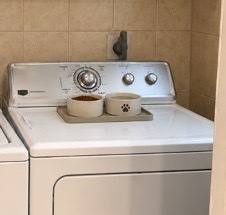
The sink we use to fill the water bowls isn’t in the laundry room, so I keep a large pitcher of water there for quick top-offs. I have seen ankle-height faucets for filling water bowls. Clever. If you feed your dog or cat fresh food—like Freshpet—having an under-counter refrigerator in the pet area is handy.
DOGS ONLY
Dog Shower

Unless your cat is one of the few that tolerate baths, this is a dog-only feature. Having a designated shower for dogs is awesome. Ours is in the garage, which is ideal when the dogs shake off after their showers.
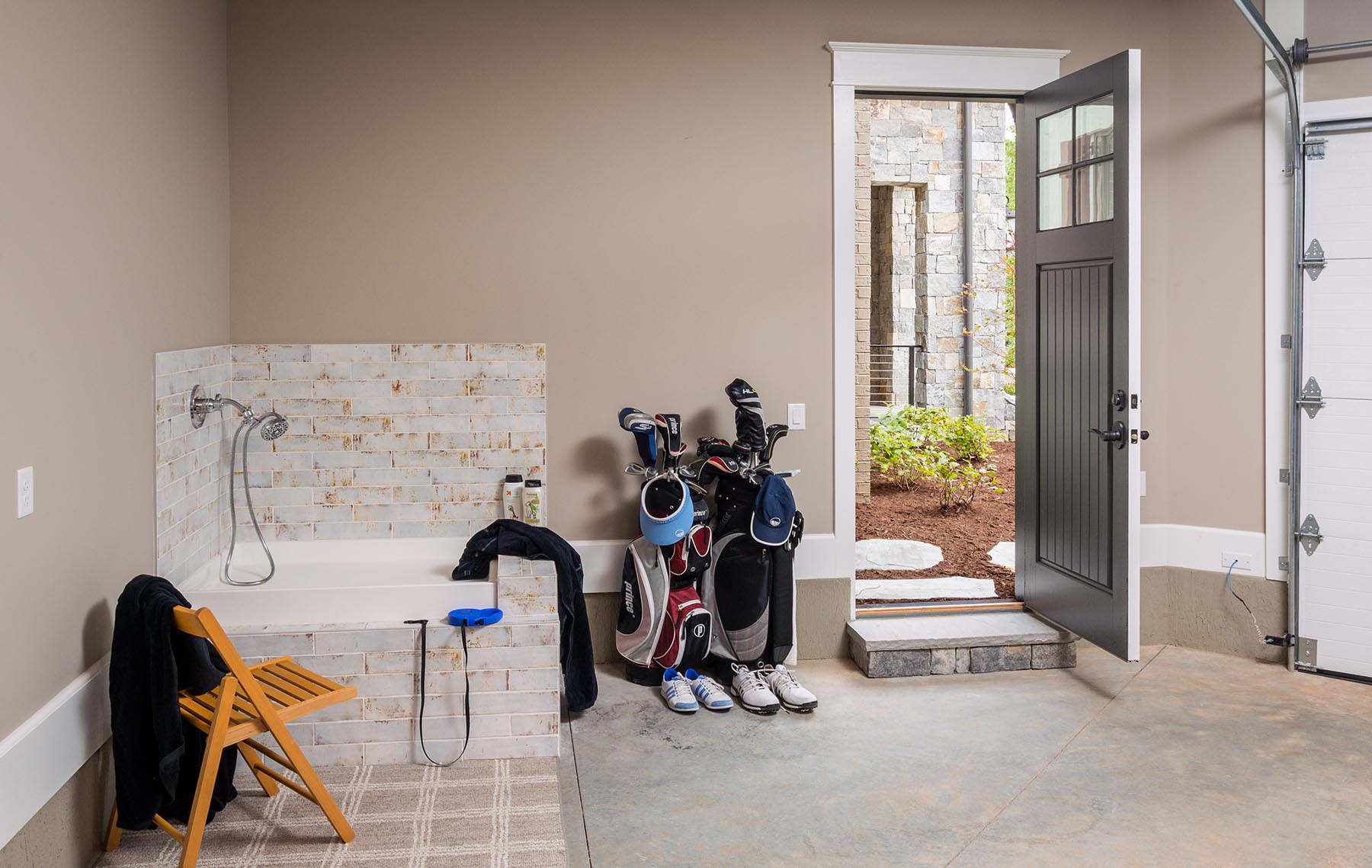
It is knee-high to minimize bending down to bathe them while not being high for the dogs to jump in and out. Be sure to locate the dog shower on a wall shared with other plumbing in the house to minimize expense, and use a prefabricated shower pan. In a small garage, consider putting the shower pan at floor level in front of the car and backing the car out at bath time.
Dog Kennels
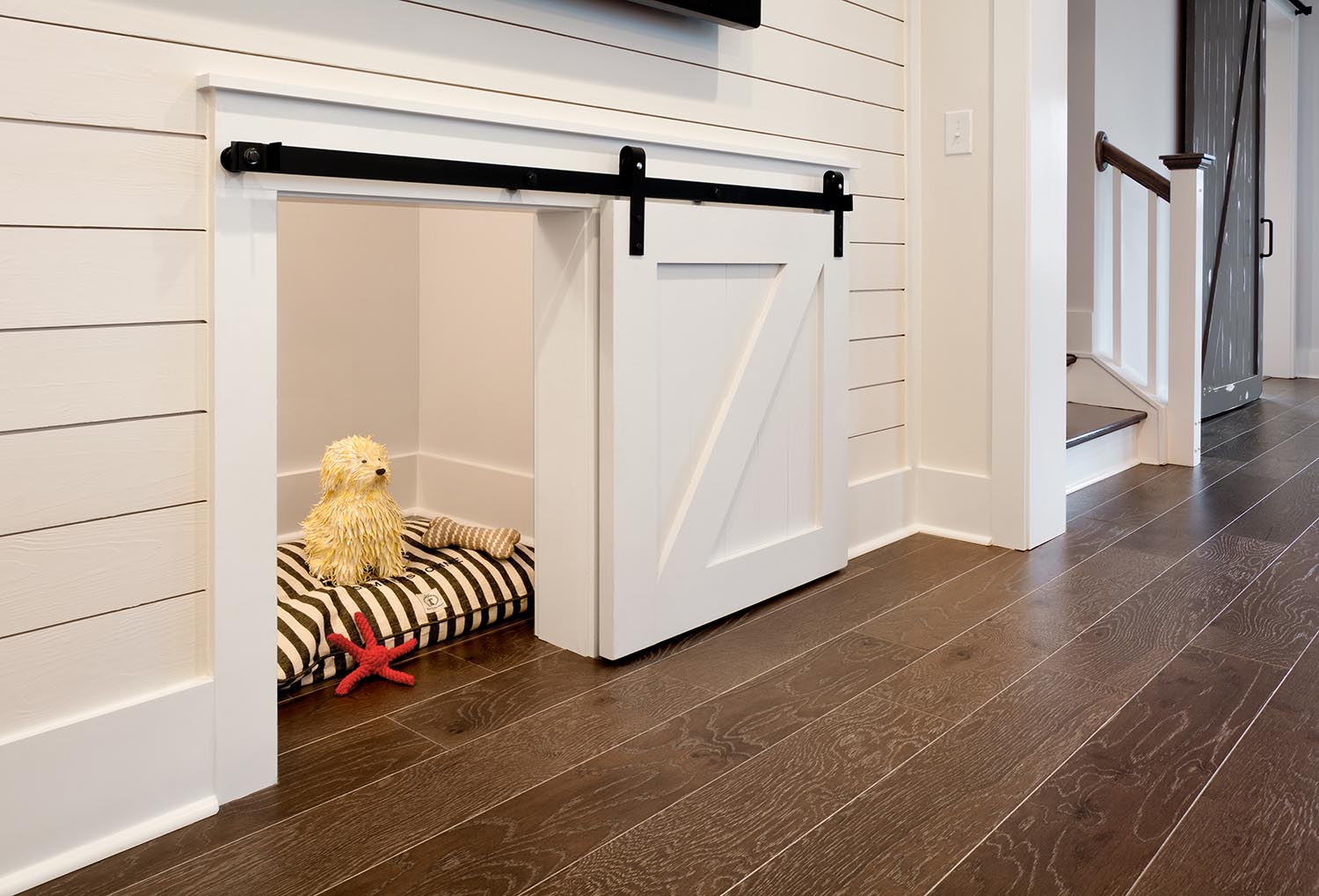
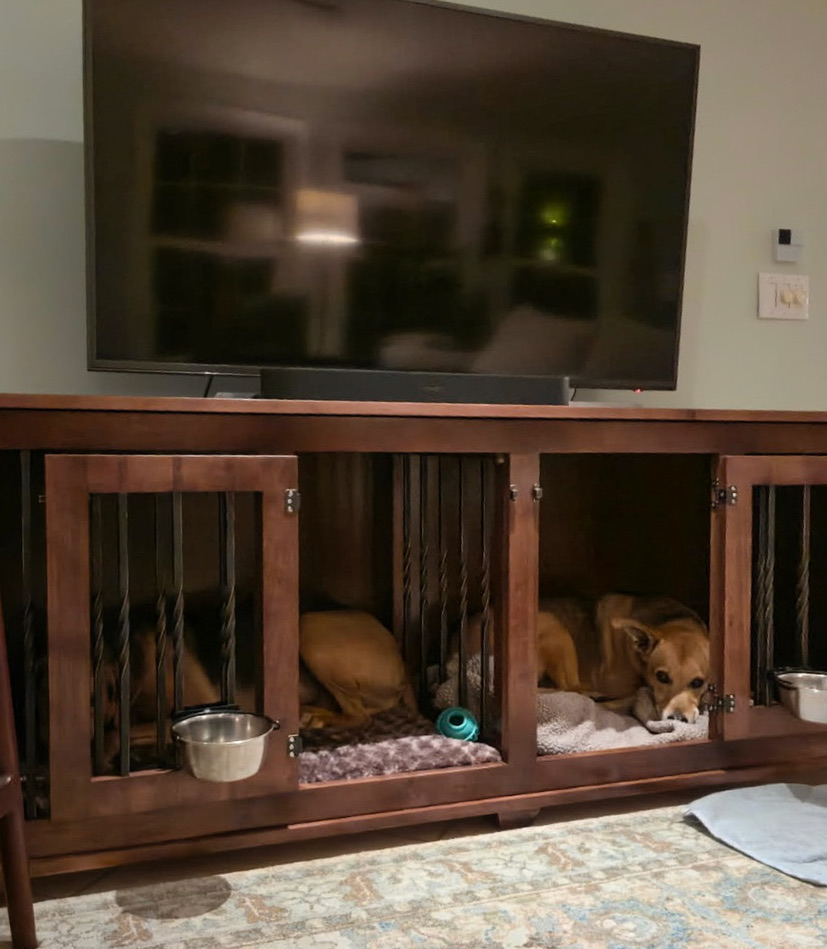
Some pet owners put their dogs in a kennel when they’re not home. Finding a place for a kennel can be a challenge—especially if it is for a big dog. Carving out space under the stairs is great for getting the bulky and unsightly kennel out of the way.
I have seen furniture with a built-in kennel for small dogs. Cute.
CATS ONLY
The Litter Box
I love cats, I don’t love their litter box. A traditional litter box is unsightly and stinky! Cleaning out the litter box is unpleasant. And if you have both dogs and cats, you need to keep the dogs out of the cat’s litter box. Eww. When we designed the cabinets for the laundry room, we omitted cabinets on one side to make room for the domed cat box. We also added an exhaust fan in the room. The only downside of having it in the laundry room was that we could never fully close the door, even when the washer and dryer were loud. We could have installed a small pet door in the laundry room door to provide access while reducing the noise. A couple of our team members have one of those fancy, self-cleaning litter boxes in their laundry rooms
.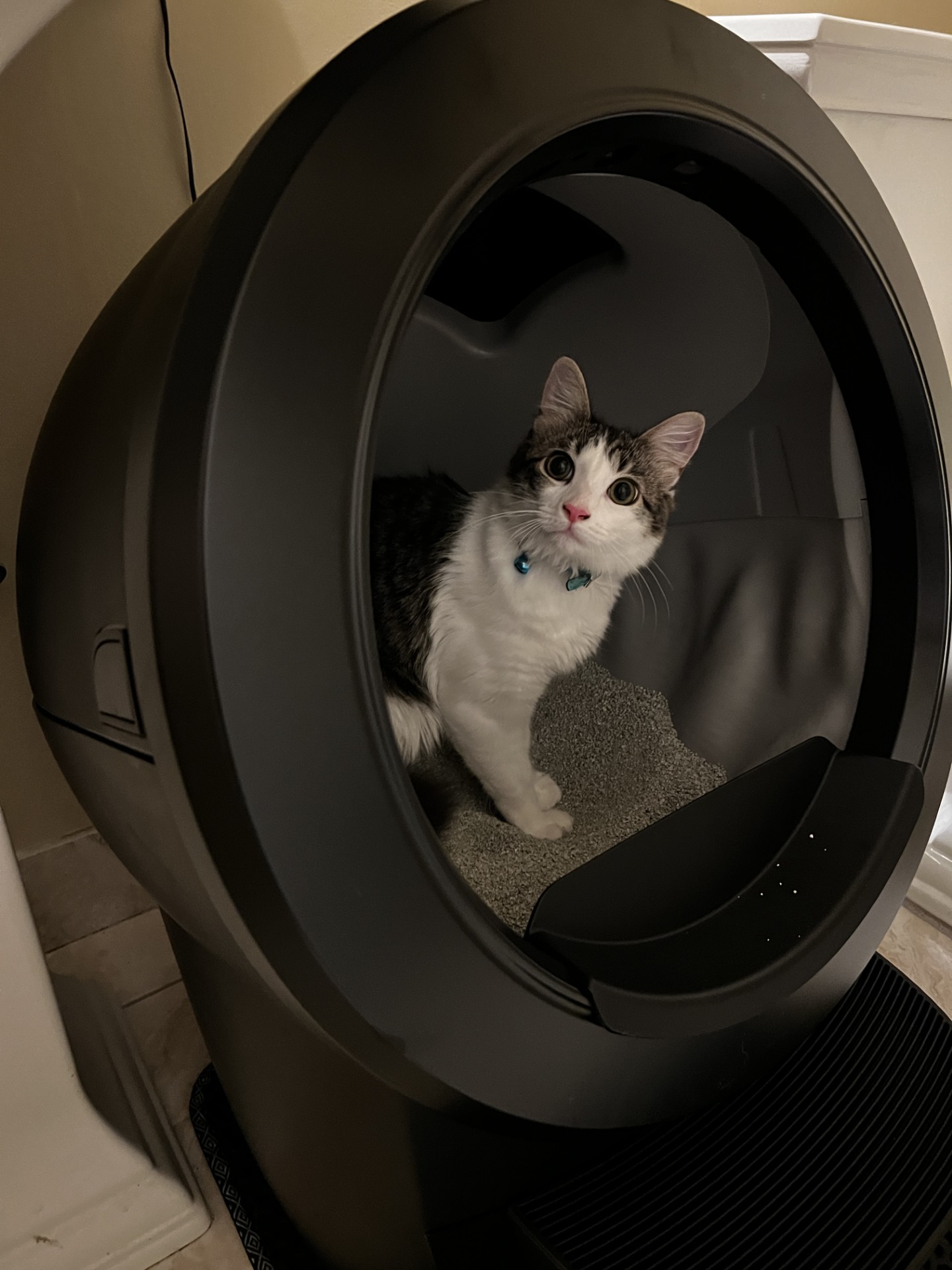
Having a nearby outlet is essential.
Winning Over Pet Owners
Our pets bring us companionship, laughter, and a fair amount of mess. Thoughtful design can make the feeding, bathing, cleaning, and storage easier, leaving more time to enjoy those furry family members.
Let’s think about the daily routine of a buyer with pets.
- Where do the bowls go?
- Where does the food stay?
- How do muddy paws get cleaned before reaching the sofa?
Answer those questions in your floor plan, and you give buyers one more reason to say, “They really thought of everything!” The pets may never notice. But the people signing the contract will.
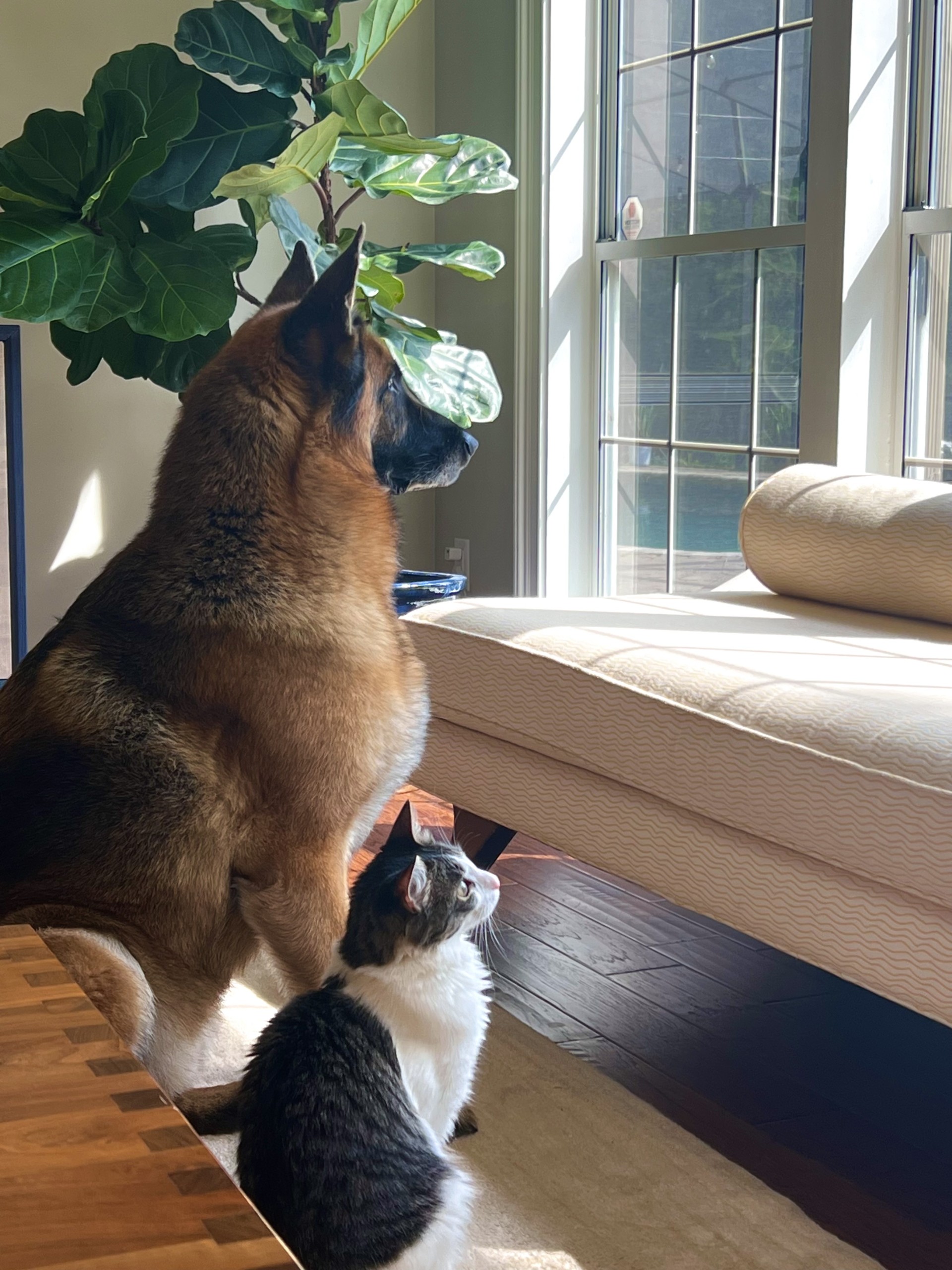
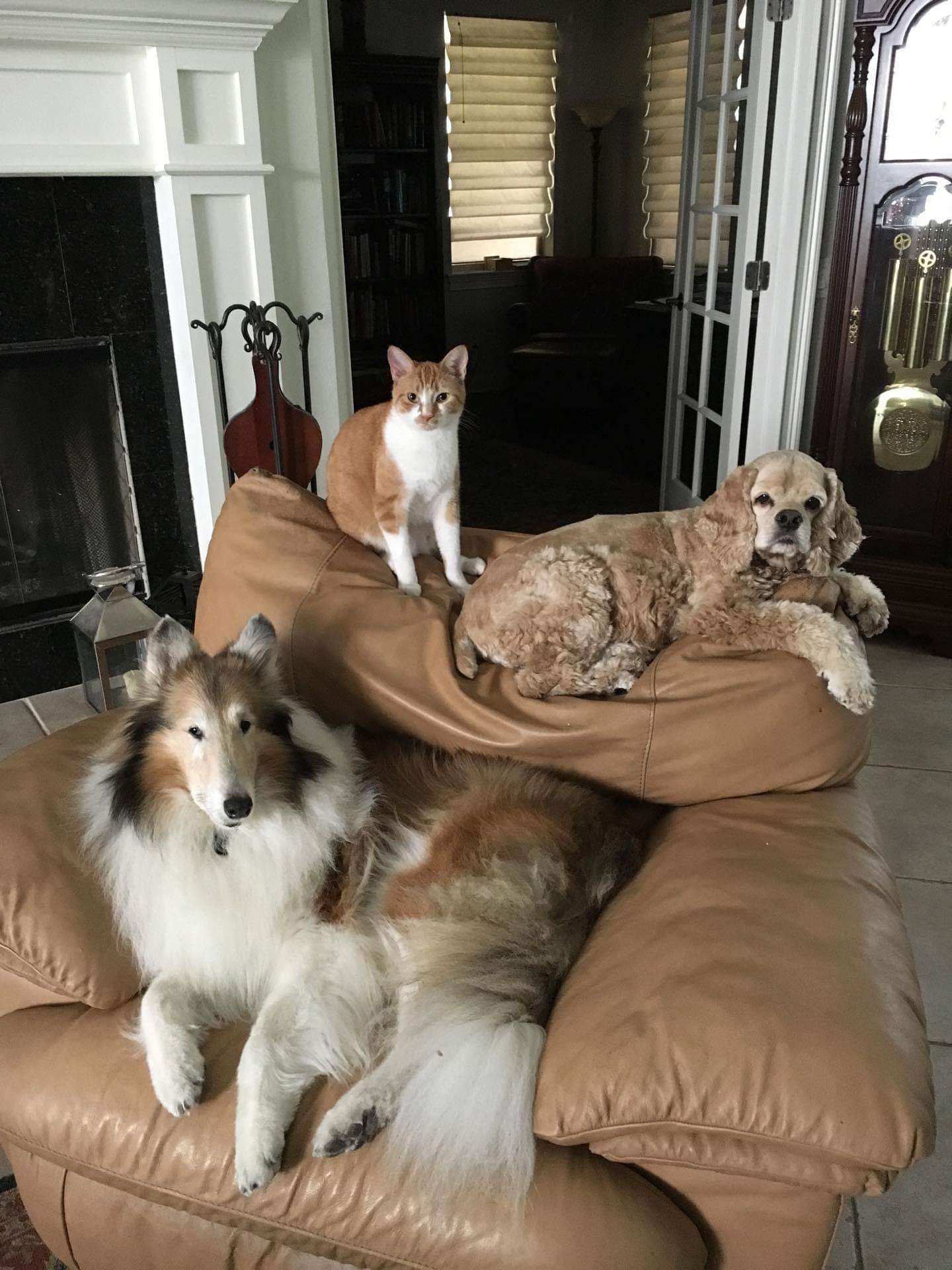
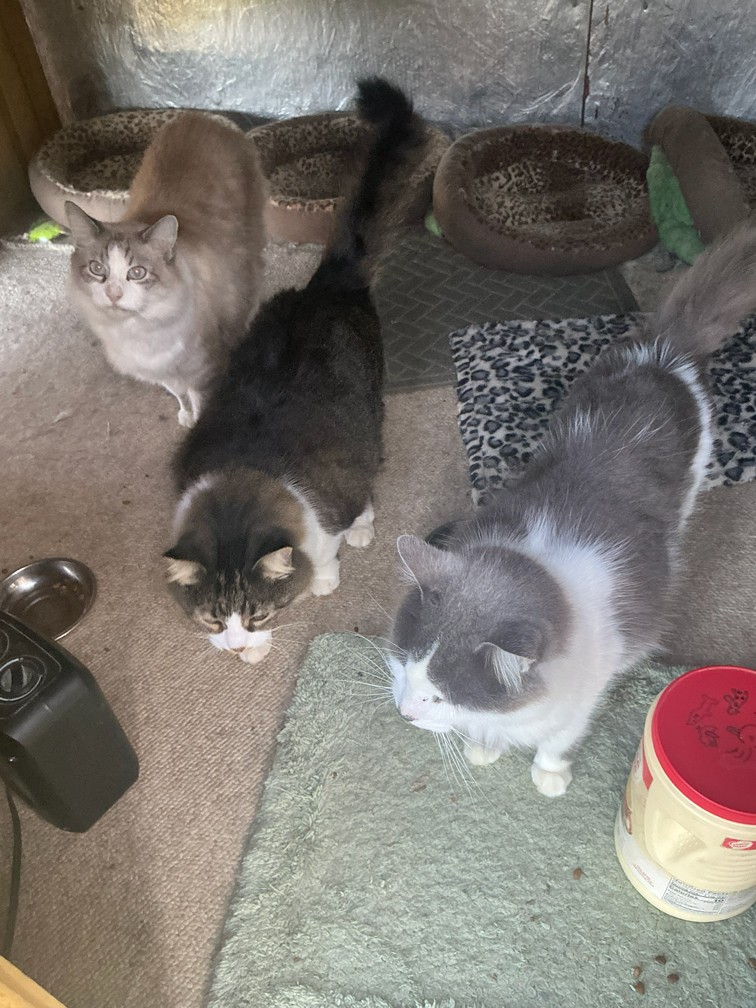
Here are a few photos of our favorite 4 legged friends around HDM.
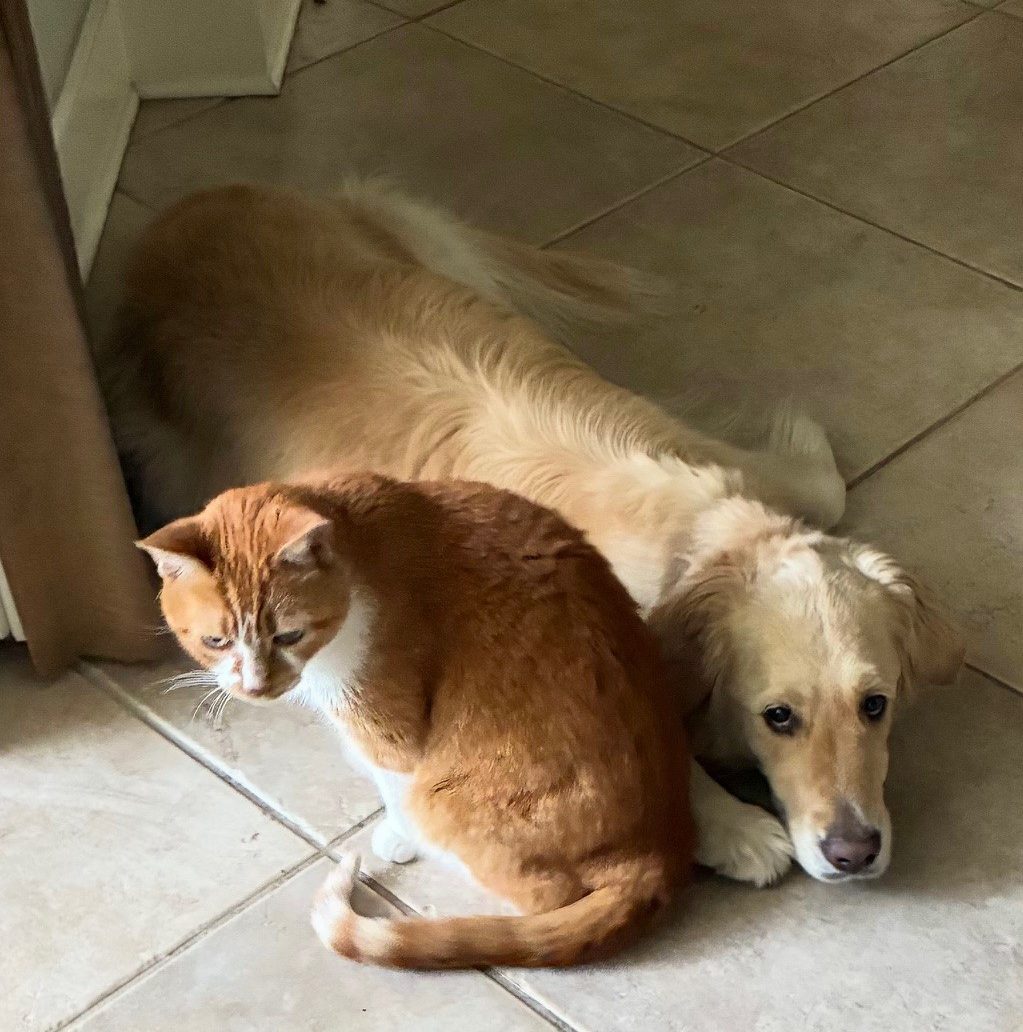

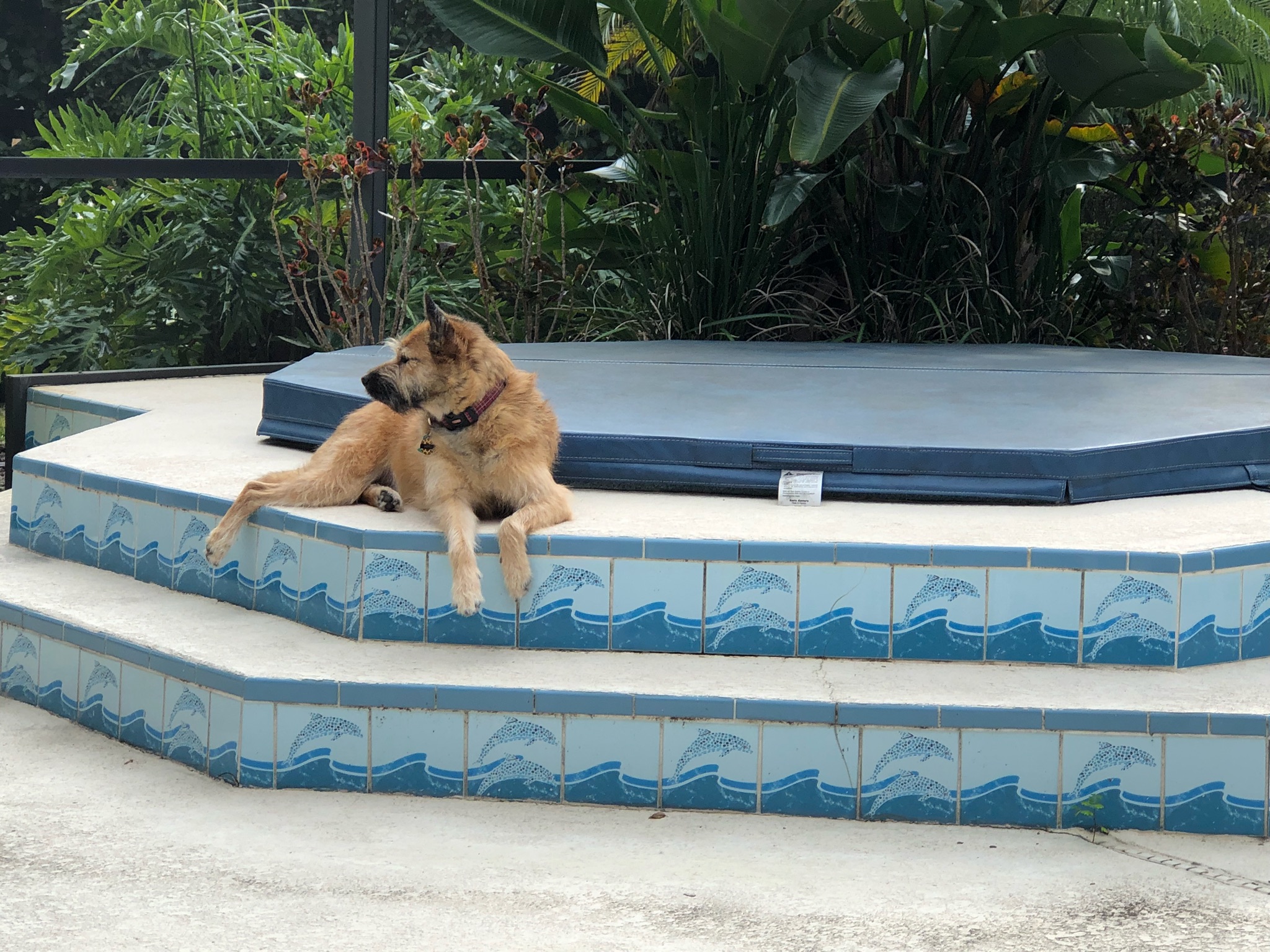
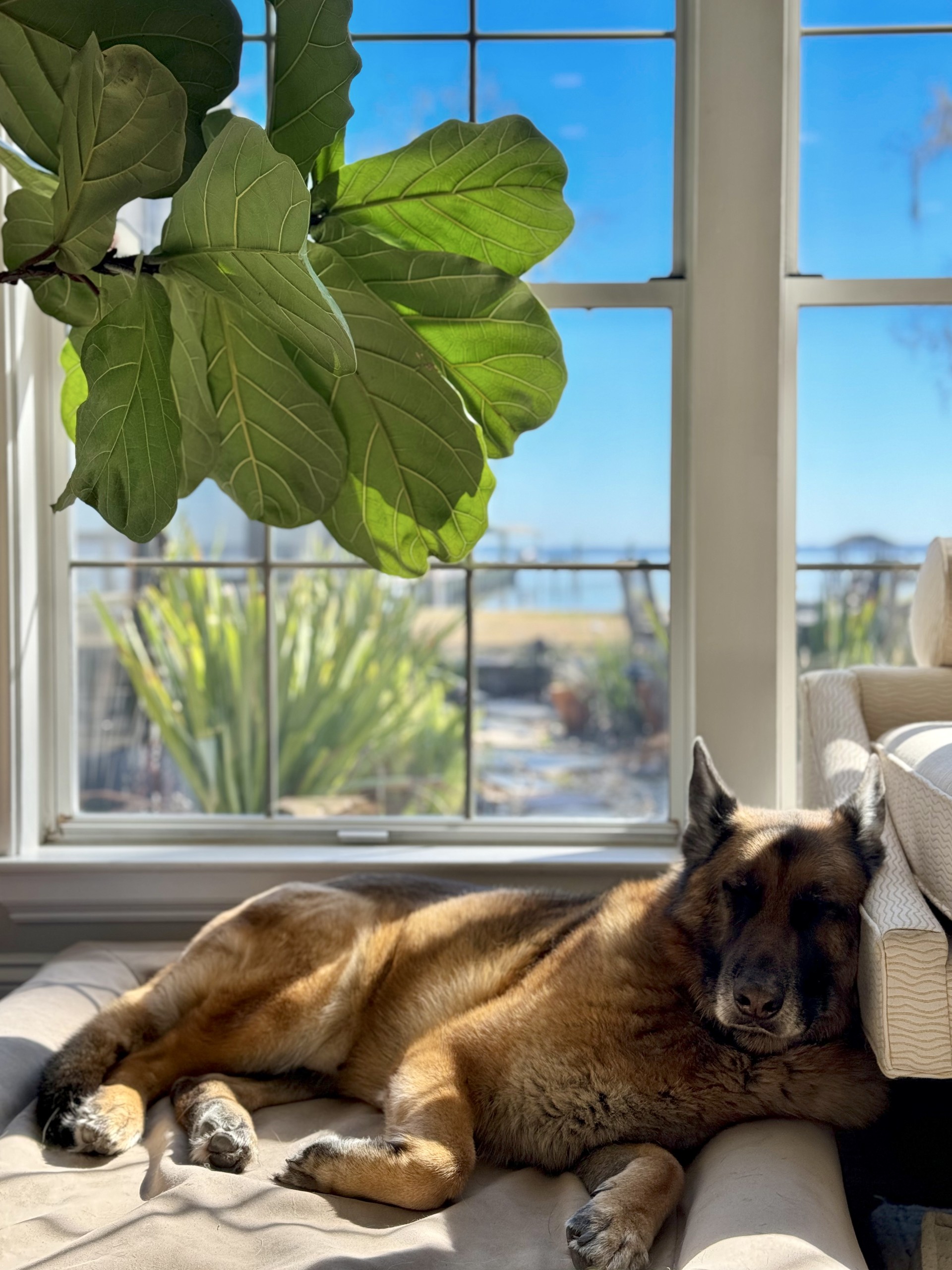

Categorized in: Uncategorized
This post was written by Housing Design Matters
 Privacy Policy