
May 11, 2026
The Unique Challenges of Golf Course Architecture
Last week, my husband got a once in a lifetime opportunity to play in a pro-am golf tournament in Charlotte, NC. I got to tag along as a spectator and cheerleader for their foursome.


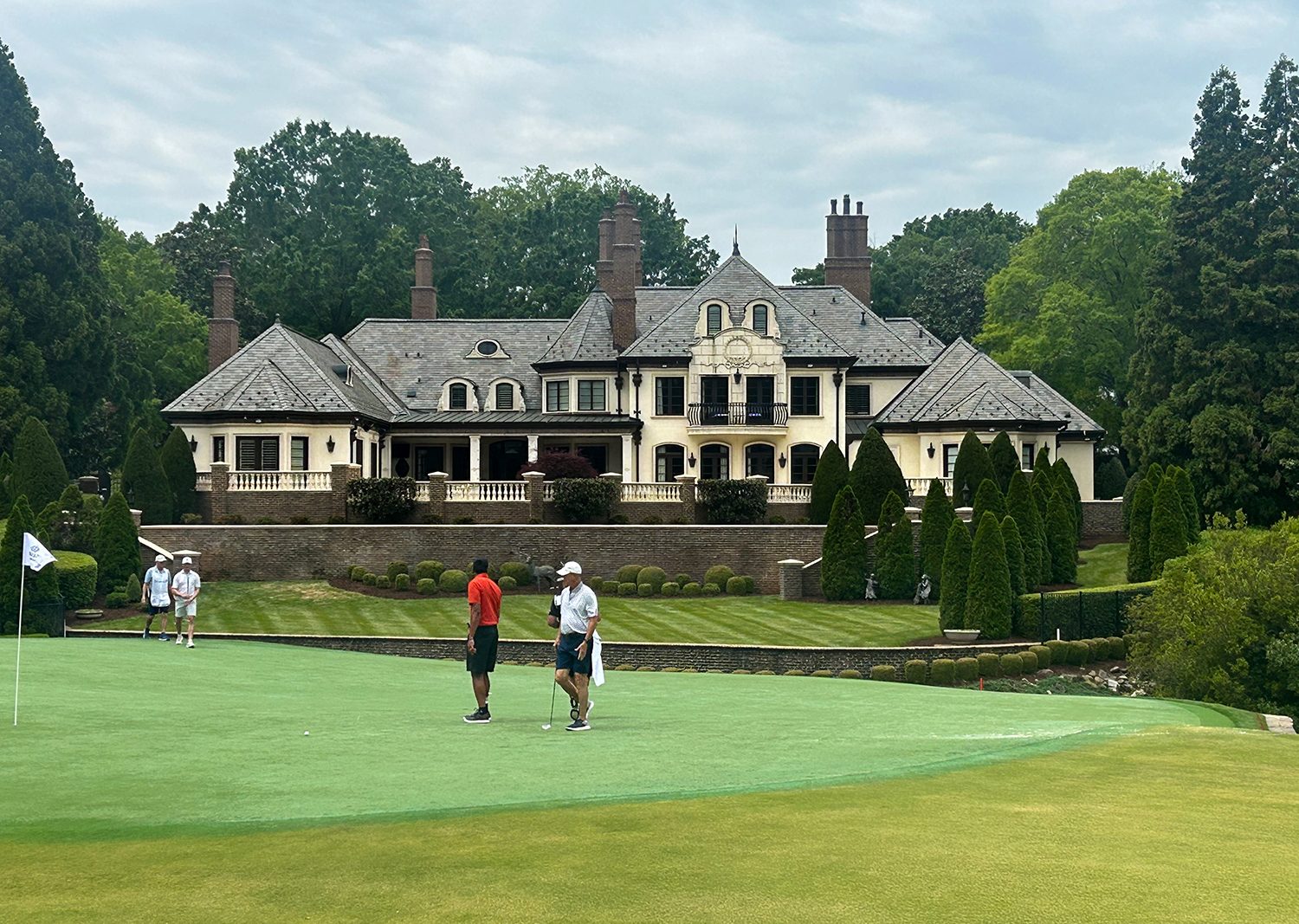
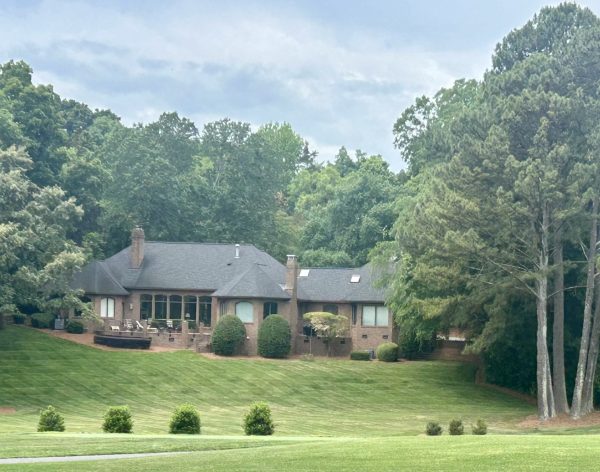
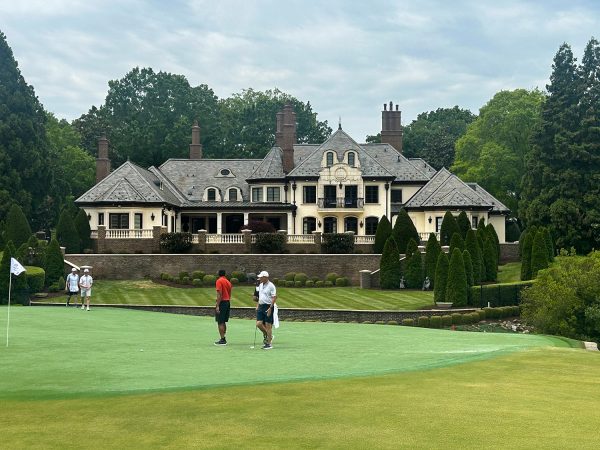
Obviously, along the way, I couldn’t help but notice the houses along the golf course. Some were gigantic while others were small cozy cottages. There were a variety of architectural styles from traditional, French inspired, Mediterranean to more modern. The exterior materials varied as well from pink brick with limestone quoins, white painted brick, stucco, wood, and stone.
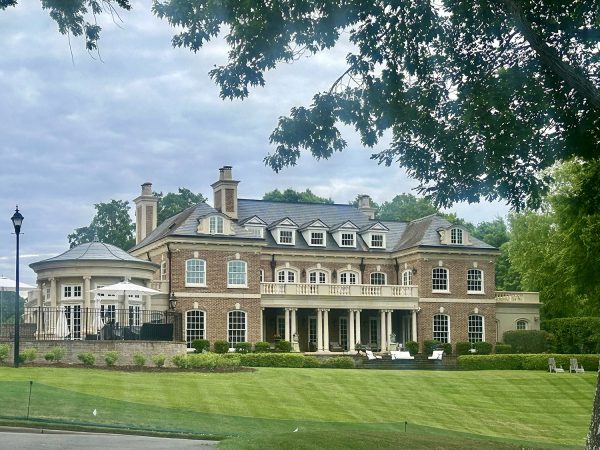
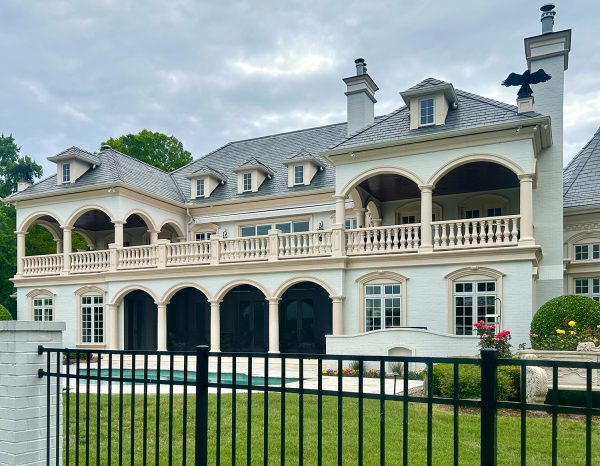
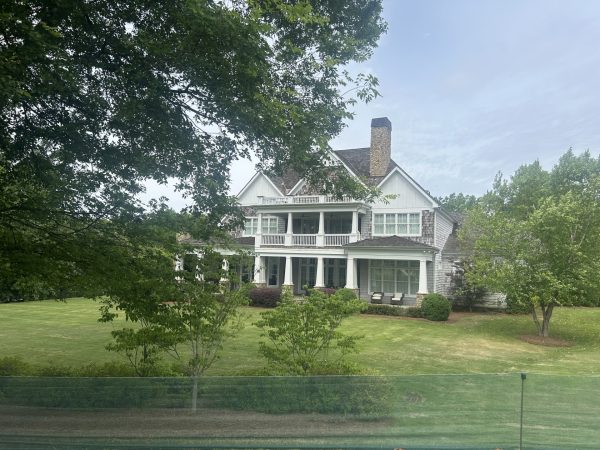
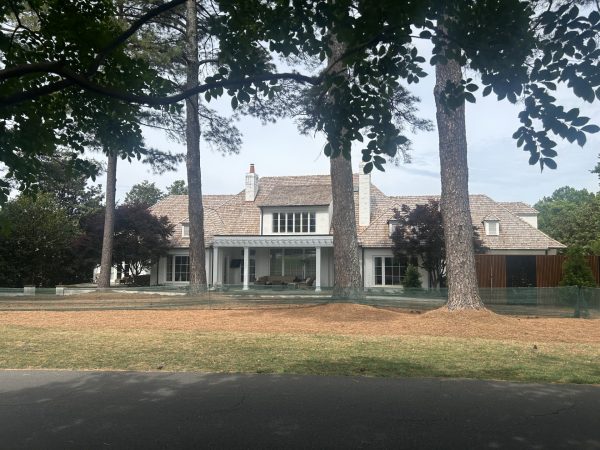
I was first struck by the number of white painted brick houses. After all, this is Charlotte where red and pink brick was the mainstay.
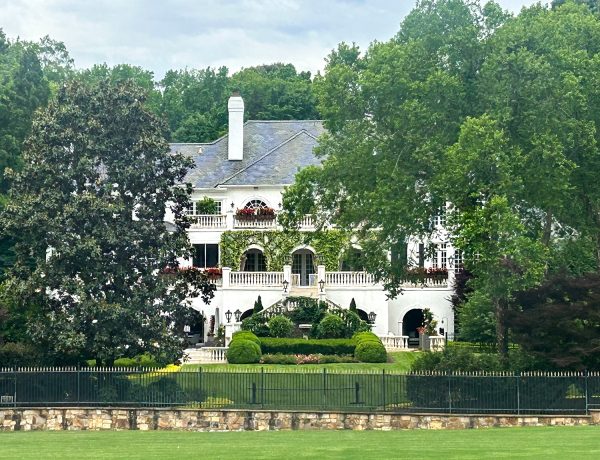
Ah – but the vibe of the community may have been influenced by clubhouse, which is white. Originally designed in 1967 as a white southern style clubhouse by Charles W. Connelly. Houses in the community began appearing in 1960’s and are still being built today.
Having served on an architectural review board for a golf course community, I know the challenges of golf course residential architecture.
- Managing high profiles residents’ expectations
- Maximizing the million-dollar view
- Privacy for the residents
- Evolving architectural styles
- Scrap off and remodels
In a prestigious community like this, many of the residents are not used to being told no. “What do you mean, I can’t build that?”. Turns out there are several high-profile business leaders and celebrities living in the community. This list includes NASCAR drivers, basketball players, golfers, sports owners and prominent business owners and CEOs. I’m told one house added an indoor basketball court with a retractable roof. I noticed the unusual roof line from the golf course. I understand it was quite controversial.
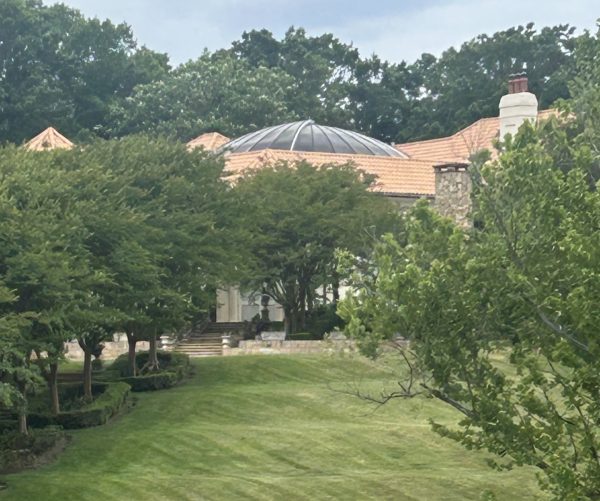
There also needs to be a balance between maximizing the million-dollar view of the golf course and privacy for the residents. House placement plays a key role in this. Communities like this often have large rear setbacks to keep the houses an acceptable distance away from the golf course point of view – perhaps too far back from a resident’s point of view. Now consider that this isn’t just any golf course, but one that hosts a signature PGA event every year so millions of visitors and TV viewers will see the back of these house. In this case, you could say the rear elevation is far more important than front elevation.
You may want to think twice about walking down this highly visible staircase – especially when it is dark outside.
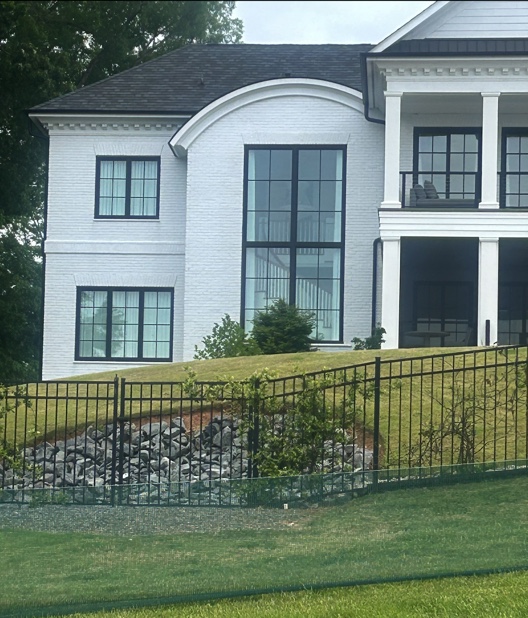
I did notice a few houses that looked dated along the course. Many of them were obscured by trees as the lots and the area is heavily wooded. On the other hand, I was struck with what appeared to be a more recent addition to the golf course scape. It had an entire rear wall of storefront glass that was paired with a steep roof pitch, multiple chimneys, and cut stone.
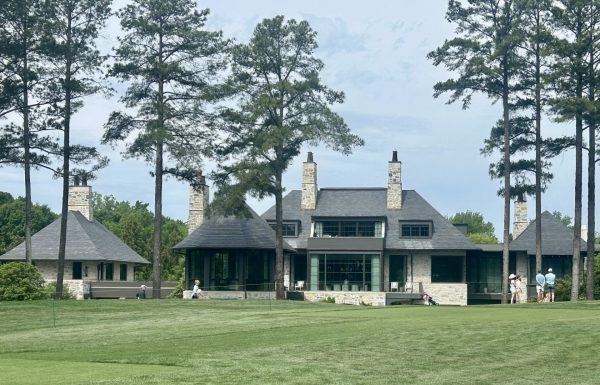
I’m also guessing that a series of brick cottages along the back nine of the course may have been recently painted white as is now the trend.
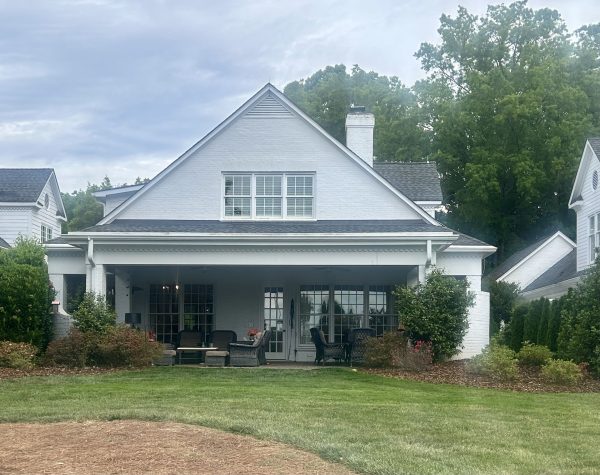
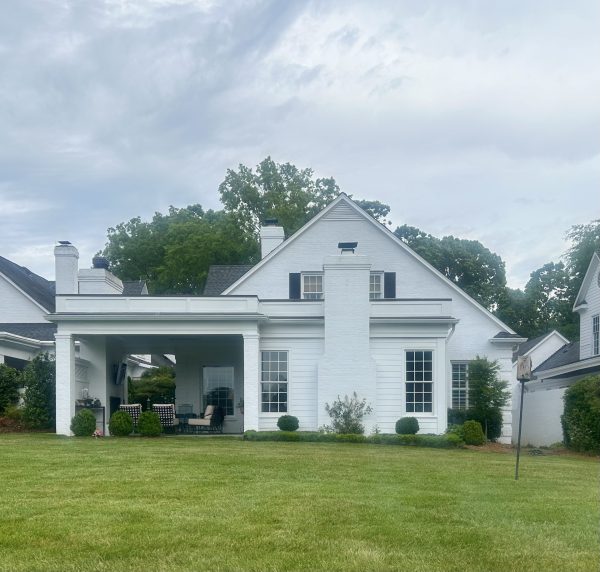
Since many of the original houses were built in the 1960s and 1970s, several have been heavily remodeled or torn down and replaced by much larger custom homes.
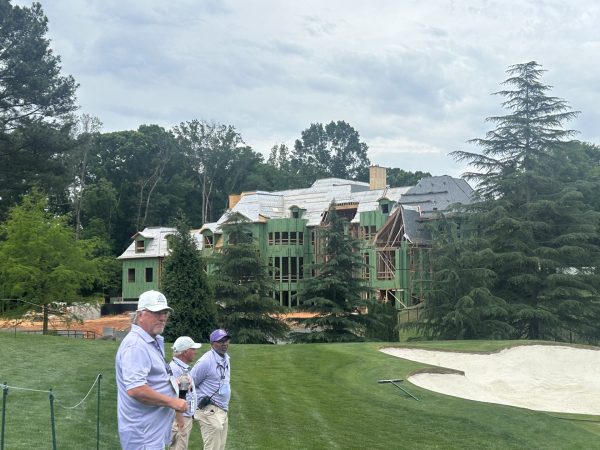
Real estate listings are often described as “great potential for remodel”, “investor opportunity”, or “newer home built on older tree covered lot”.
I hope you enjoy my attempt to capture the grandeur and diversity of the golf course houses of Quail Hollow. Let me know if you had any favorites.
Categorized in: Uncategorized
This post was written by Housing Design Matters
 Privacy Policy