
February 02, 2026
Is That Fixer Upper Worth the Effort?
Last week, a friend stopped by my office. “Can you take a quick look at this house and let me know if it can be fixed?” It is in a prestigious, gated community on a great waterfront lot. It has the right number of rooms all on one level – exactly what she and her husband were looking for. But here’s the problem: The house was built in the eighties, and the layout no longer matches the lifestyle of how people want to live in 2026.
Ah – the eighties. Personally, it was an awesome decade for me. I graduated from college, got married and had two of my three kids. But the houses that were designed in the eighties can be a challenge to update.
Dated Plan Form
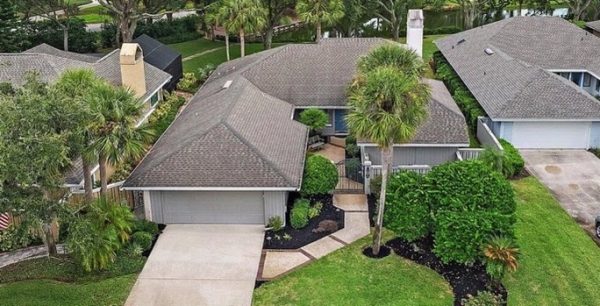
Let’s start with the exterior. It is pretty unremarkable – built in a time and location where the houses were meant to be the backdrop and it was the landscaping and trees that were considered more important.
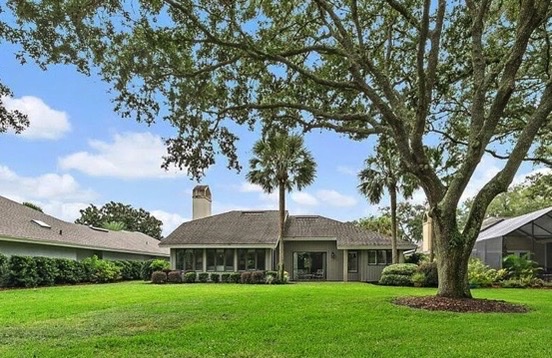
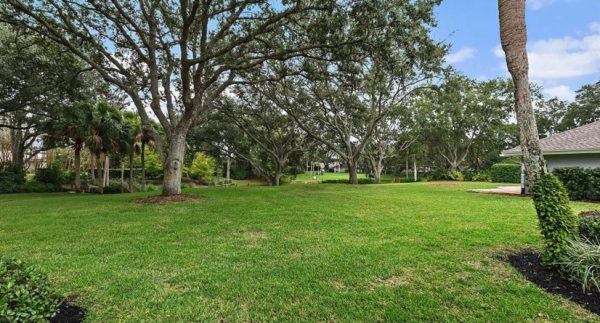
It is a wide house with an internal courtyard (another trend of the time) and it is a zero-lot-line.
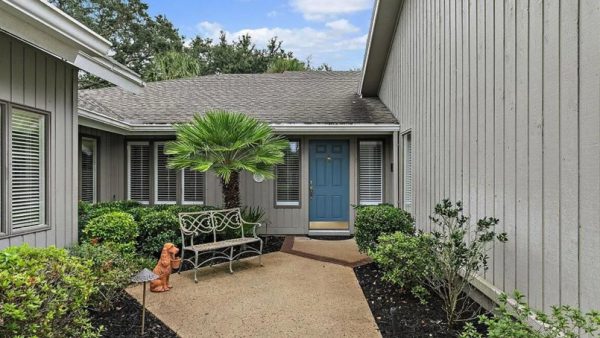
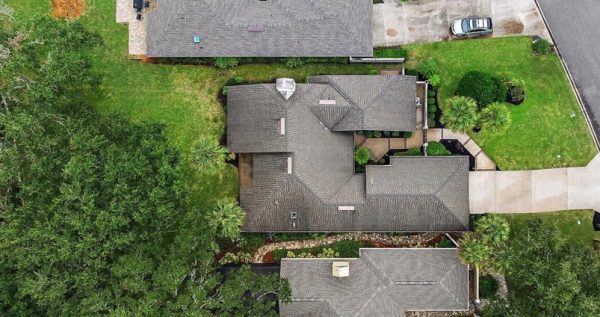
The courtyard was intended to bring privacy, light, and air into the middle of the home. It also makes it a cumbersome cut up building form and roof plan. The house has 18 corners – not counting two created by the fireplace bump-out. Not the most efficient plan form.
Kitchen Design
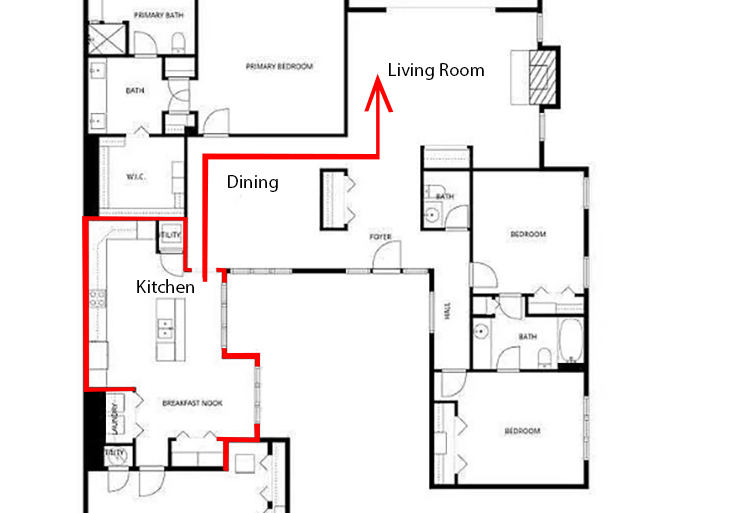
Houses from the eighties also hadn’t caught up to how people actually lived. The kitchen is off the two-car garage – convenient for unloading groceries.
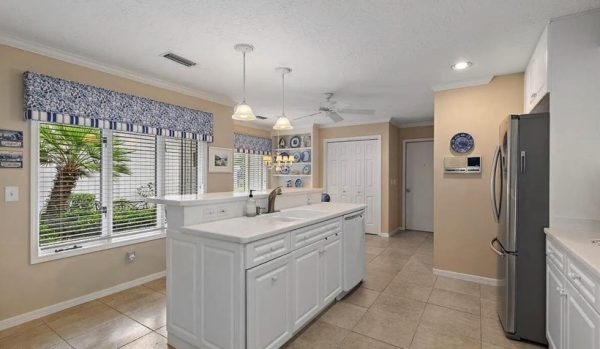
It has an 8’ ceiling and includes a small breakfast nook overlooking the courtyard. Although you don’t have to enter the house through the laundry room, the washer and dryer are in a closet opening onto the breakfast nook. The kitchen does have solid surface countertops and an island (likely a recent alteration) with a 42” high breakfast bar, now considered too high. The original kitchen was likely utilitarian in both design and finishes.
Kitchen Location
The real issue is how remote the kitchen is from the rest of the home. It’s close to the large formal dining room, but the only access is through a small 3-foot opening. At the time it was built, it was considered gauche to be able to view into the kitchen from the dining room. What’s worse is the kitchen is in the opposite corner of the house from the family room.
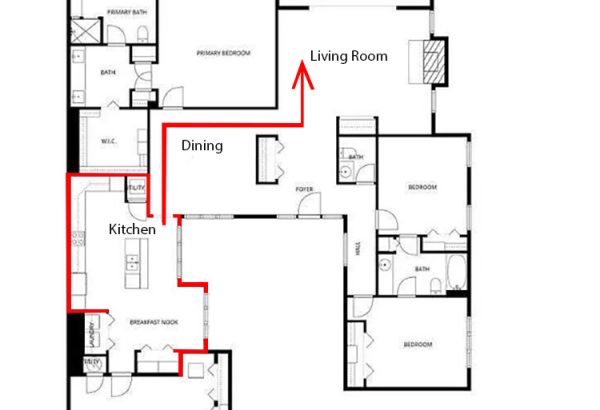
This is a plan form that would work great if there was a chef preparing the daily meals – but such was often not the case in these homes.
The Living Room
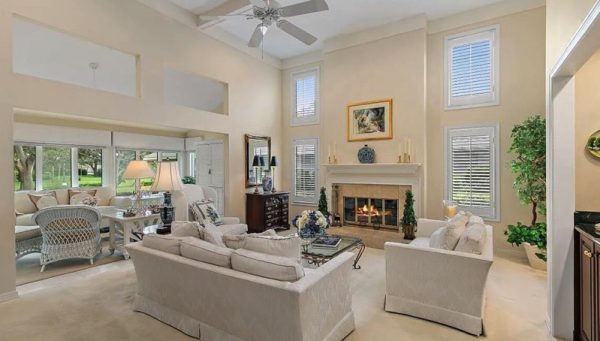
The primary focus of the living room is the large formal fireplace surrounded by marble with flanking windows on either side. A lovely feature – but it offers no adequate solution for TV placement. I guess watching TV in the eighties was gauche too, not to mention the TVs were smaller back then. Indeed, there was no TV in this living room, it was hidden from view behind the closed doors of an armoire – in another room.
The Primary Suite and Bath
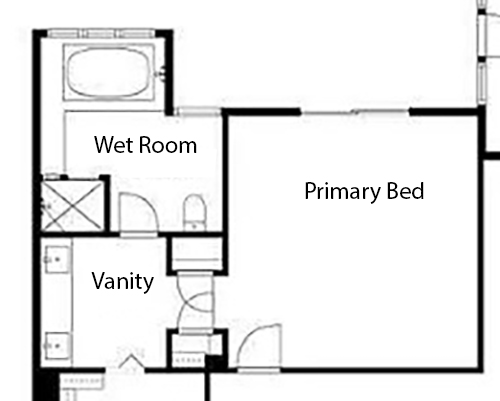
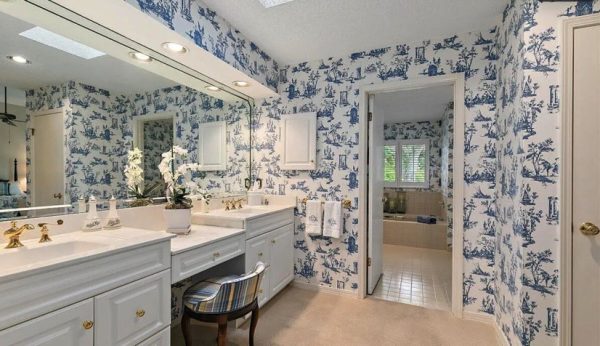
The primary suite is a decent size and has a lot of square footage devoted to bath and closet. The bathroom consists of two rooms. You enter the first room through a pair of double doors to dual vanities, a knee space for the lady to do her makeup, and a large mirror running the length of the room. And since it’s on the zero wall, there is a large skylight. So far so good. This room has carpet on the floor and extremely busy wallpaper. These are easy fixes, but so tell tale of that era.
The second room of the primary bath is the wet area: tub, shower, and toilet.
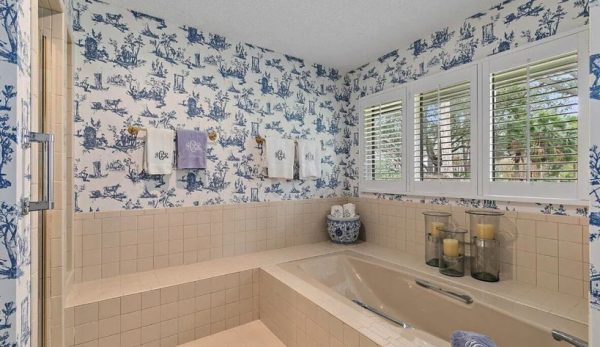
At least here, it has a tile floor. The area devoted to the bathtub is enormous, including a large tile tub deck with an extended seat. It also has a postage-stamp sized shower. So small if you dropped the soap, you would have to open the shower door to retrieve it. Lastly, the toilet is wide open to the rest of the room, offering no privacy to someone doing their business. Imagine taking a relaxing bath with lit candles when your partner needs to use the toilet and destroys the ambience! Gives new meaning to “Calgon, take me away!”
The Florida Sunroom
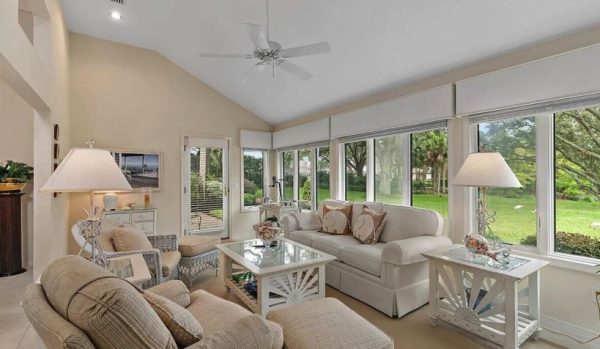
The original design included a large screen enclosed room off the living room. But at some point over the last 40 years, the room was enclosed, becoming a sunroom. The trend was to enclose these awesome outdoor spaces to gain more square footage. But in our post-pandemic world, buyers crave more outdoor living space – not less.
The Bottom Line
Yes, the plan form is dated as is the interior décor. You could say the exterior is “inoffensive”. When considering a used home from the eighties, you’re going to kiss a few frogs to find your “prince-charming”.
Unfortunately, in this case, the fatal flaw is the kitchen location. It is just too remote. My friend and I brainstormed how to fix the plan without incurring obscene remodeling costs. How could we connect the kitchen to the rest of the plan? Could you slide the primary bedroom over to the former location of the bath and put the kitchen in its place? Who knows how many bearing walls would have to be supported and trenches to the slab for plumbing. The former breakfast nook could become an awesome laundry room. The primary bath could move to the former kitchen location, but would have to remain windowless because of the circulation from the garage. Seems sad that the place one family considered home can now only be remedied by a bulldozer by another.
I wonder what future generations will say about the houses we design and build today? “What were they thinking in 2026?” I’m sure you have thoughts on potential culprits. I’d love to hear them!
Categorized in: Uncategorized
This post was written by Housing Design Matters
 Privacy Policy