
August 17, 2026
Interior Finishes Have Come a Long Way
Someone very wise said “Affordability is the most sort after feature in new home today”. We have covered a variety of strategies over the last two blogs. This week let’s go inside and talk about how we can cut construction costs while still adding value for the buyer.
Floor Finishes
I like to start with flooring since there is so much of it. If you’re looking for the lowest upfront costs, carpet generally wins. But cheap carpet has a limited life span of 5 to 7 years – even less in high traffic areas like halls and stairs – say 3 to 5 years.
When you add the replacement cost, the carpet may not be the most affordable option for the homeowner. And since so many households have pets, the initial cost savings can quickly be erased. I do love carpet in the right rooms because of its sound absorbing quality and how it can make a room feel cozier. Consider carpet for the bedrooms and even the great room.
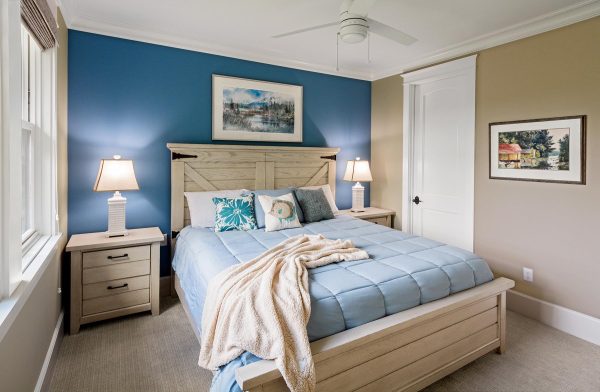
Carpet doesn’t work well in wet areas like bathrooms or kitchens. I consider it a disaster in waiting if it ends up in the dining room – oops I dropped the spaghetti.
For those areas not suitable for carpet, I like Luxury Vinyl Plank flooring (LVP). It is both cost effective and durable. The lifespan for LVP is much greater than carpet – even the cheap stuff can last 8 to 12 years. LVP works well in the kitchen, dining room, stairs, and entry hall.
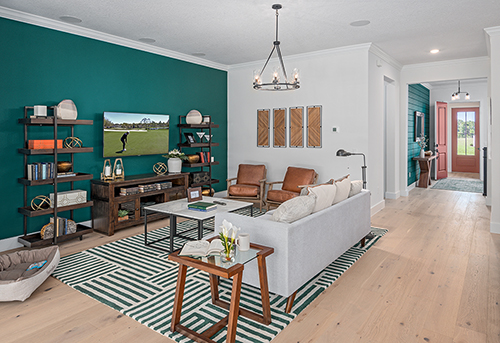
I have even seen it used in bathroom, but tile is more water tolerant when the kids decide to imitate Shamu in the bathtub.
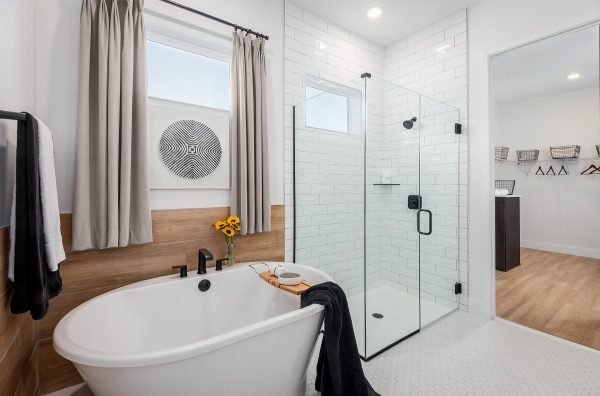
Now let’s talk about the transition between carpet and LVP. When kitchens were closed off room, there was only a doorway between the kitchen and other rooms. But now that our kitchens are a part of our casual lifestyle living areas, transition points become tricky – especially around the kitchen island. The seating around the island works better on the hard surface. So when the island faces the dining area, the LVP can run from kitchen to the dining room. But when the island faces the carpeted great room, how far to do you need to run the LVP before transitioning to carpet? In a previous home, we extended the tile 3’ from the island for seating.
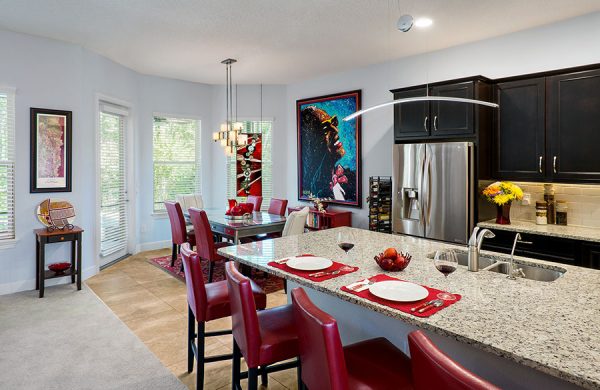
It was awkward and we later added more tile to create durable walkway between the kitchen and the great room. The better option would be to floor both kitchen and great room in LVP and add an area rug in the great room.
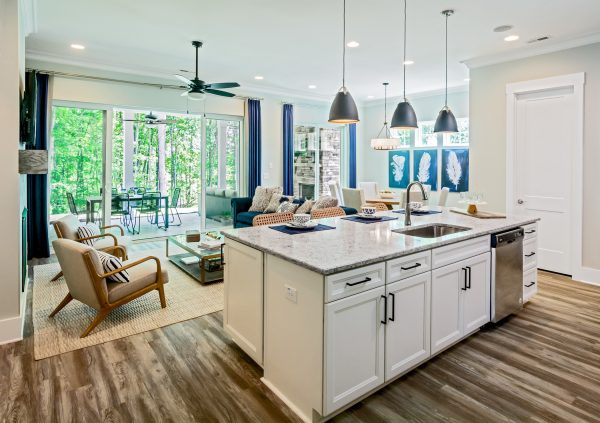
This strategy of running LVP in both kitchen and living areas is especially helpful in smaller, more affordable houses where access square footage has been eliminated and the lines between kitchen and living are blurred.
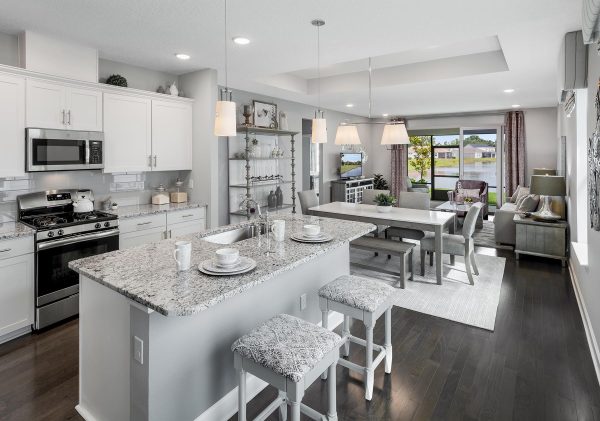
Additionally, the floor change makes the living area feel smaller – something we try hard not to do.
Wall & Ceiling Finishes
Drywall is the most cost-effective material for walls and ceilings. A half inch is suitable for walls, but consider 5/8” for ceilings to avoid sagging between ceiling joists. A smooth finish for both walls and ceiling is the most expensive option that requires perfection of both drywall and framing. Back in the 50’s and 60’s, a “popcorn” finish on the ceiling was popular as a quick, inexpensive way to finish a ceiling.
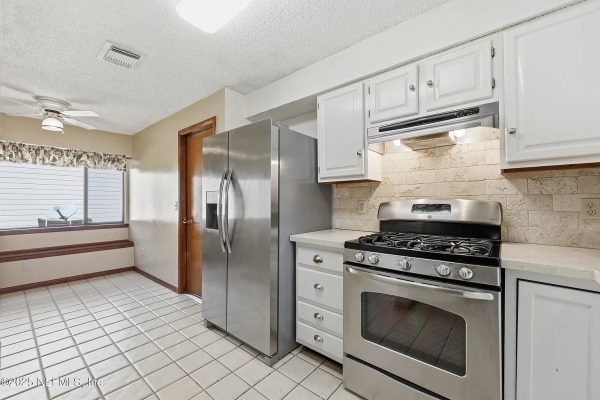
The heavy texture could hide a lot of framing and drywall flaws. But it was a messy finish especially when it was applied to a 7’ or 8’ ceiling that was inadvertently brushed up against. It rained nasty ceiling “goo” and was difficult to patch.
Today, using a knock down finish for the ceilings and orange-peel texture for the walls is a nice way to hide some wall imperfections and deliver homes that cost less. Patching these textured walls is easy with spray cans at your local home improvement stores.
Kitchen Finishes
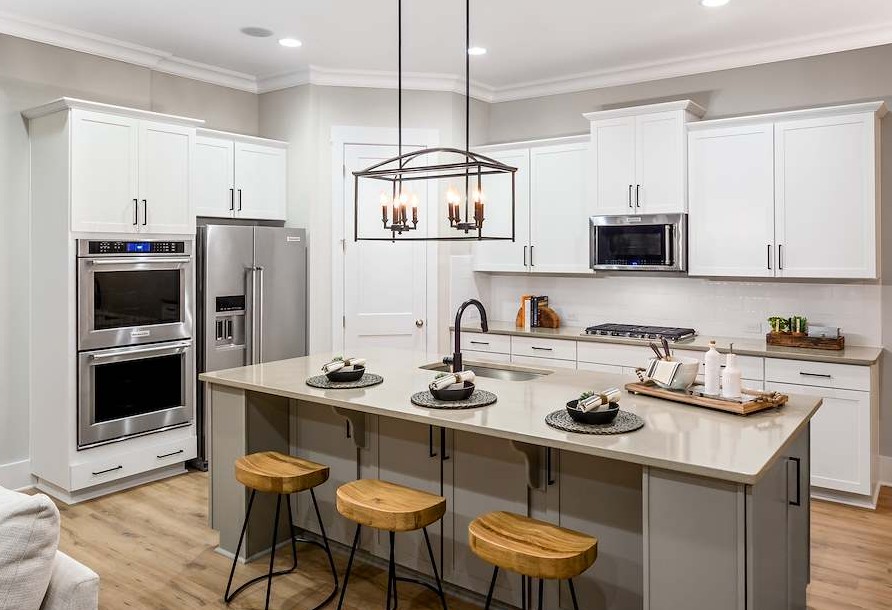
Some would argue the kitchen is the most important and influential space when considering purchasing a home, so durability and aesthetics play a larger role. When kitchens were closed off chore spaces, durability was the only consideration. Today, our kitchens are entertaining hubs. Thankfully, there are multiple options for quartz countertop materials that are durable, affordable, and attractive. Builders who buy the material in bulk in just a few select colors and patterns can pass along huge savings to buyers that they wouldn’t otherwise enjoy in an older home in need of a renovation.
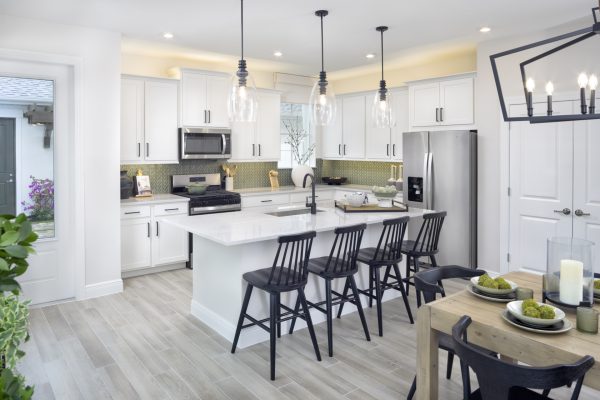
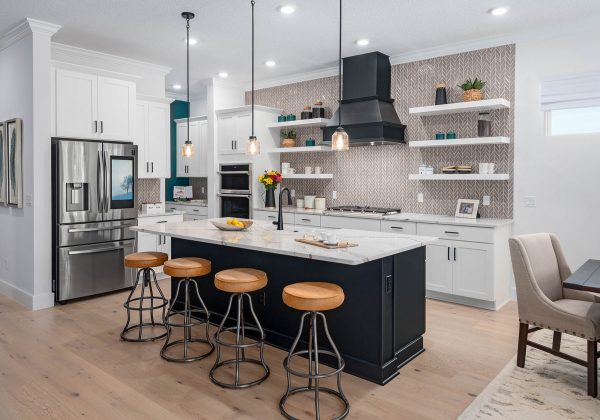
Most quartz slabs are sized for both the countertop and a 4” backsplash leaving only the large area behind the range for either a large slab or a tile finish like subway tile. A simple kitchen layout that avoids corners and seams is the most cost-effective design. This is why the corner pantry with the 45-degree angle was born. It provides storage and avoids the seam in in the corner of the room.
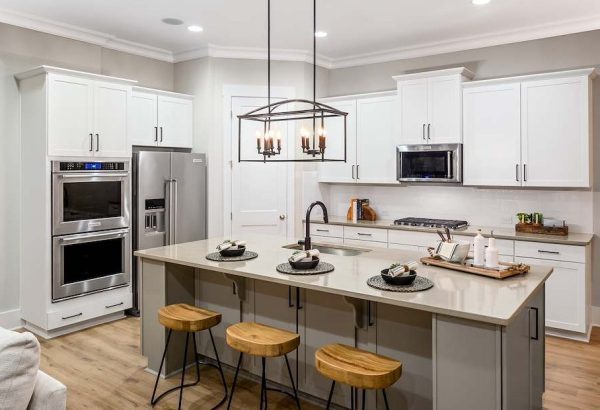
Better Finishes Available today.
While we have a long way to go in making houses more affordable, there have been so many improvements in interior finishes. Before LVP, running carpet on the stairs was the only cost-effective option.
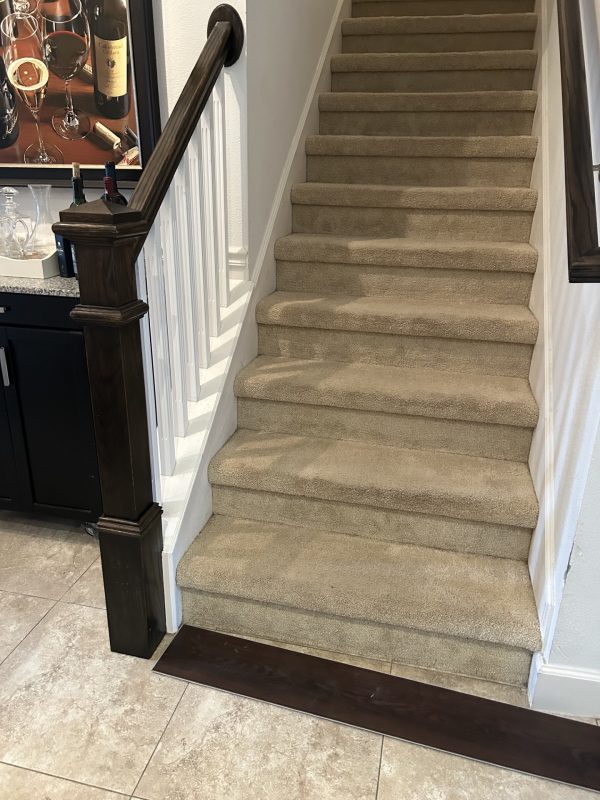
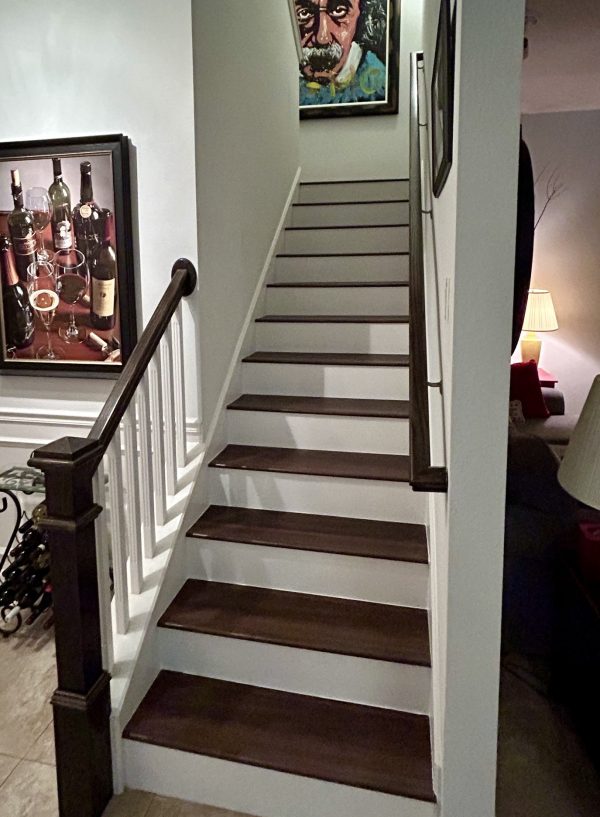
Before advancements in quartz countertops, there was plastic laminate. Combine that with popcorn ceilings and it’s no wonder that “cost-effective” read to most as a fancy way of saying “cheap”. I for one am glad we’re finally at the point where we can deliver finishes and designs that don’t drag the mood down!
What have I missed? I’d love to hear from you and any great cost effective finishes that we should consider today. Just reply to this blog.
Categorized in: Uncategorized
This post was written by Housing Design Matters
 Privacy Policy